How to Overwinter Red elderberry
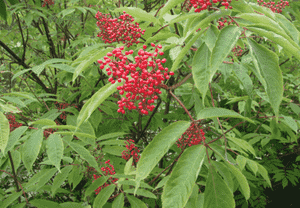
1
Red elderberry plants tolerate cold well but still require some defense against severe low temperatures.
2
Appropriate mulching greatly enhances the winter endurance of your Red elderberry plants.
3
Refrain from excessive watering during winter to avert root decay.
Understanding Red elderberry Frost Hardiness
Understanding Red elderberry Frost Hardiness
The Red elderberry (Sambucus racemosa) is a robust, deciduous shrub capable of enduring significant frost. These plants are well-suited to colder climates due to their inherent strength and resilience. Originating from North America, they flourish in USDA hardiness zones 3-7, indicating their capacity to survive temperatures as low as -40°C (-40°F). Nevertheless, even the toughest plants benefit from extra care during winter to ensure optimal health and vigor in spring.
What Preparations Are Needed Before Winter?
Soil Preparation
Prior to winter's arrival, it's crucial to prepare the soil surrounding your Red elderberry. Confirm the soil drains effectively to prevent water accumulation around the roots, which can lead to root rot. This can be achieved by incorporating organic matter like compost and ensuring the site is elevated or has proper runoff. Monitoring soil pH is also vital; Red elderberry prefers slightly acidic to neutral soil (pH 5.5-7.0). Adjust the pH as needed to create the ideal growing environment.
Pruning and Cleaning Up
Pruning your Red elderberry is an important step before winter. Remove any dead, diseased, or damaged branches to encourage healthy growth and improved air circulation. This not only helps the plant conserve energy over winter but also reduces the risk of diseases and pests. Clear away any fallen leaves or plant debris from around the base to prevent harboring pests or diseases that could impact the plant during its dormant period.
Mulching for Extra Protection
Mulching is a crucial step in safeguarding Red elderberry roots during winter. Apply a thick layer (approximately 5-10 cm or 2-4 inches) of organic mulch, such as straw, wood chips, or leaf mold, around the plant's base. This mulch acts as an insulating layer, moderating soil temperature and moisture levels. It helps prevent the ground from repeatedly freezing and thawing, which can harm roots. Additionally, mulch can gradually decompose, adding vital nutrients to the soil.
How to Protect Red elderberry Plants from Extreme Cold?
Using Covers
To shield Red elderberry from harsh winter conditions, consider utilizing plant covers. Burlap wraps or frost blankets can provide an additional layer of defense against cold winds and frost. Secure the covers over the plants, especially during severe cold spells, to help maintain a more consistent temperature around your plants. Ensure the covers are not too tight, allowing some airflow to prevent mold and mildew growth.
Building Windbreaks
Another effective strategy to protect Red elderberry plants is to construct windbreaks. These barriers can be made from wood, plastic, or even densely planted shrubs. The primary purpose is to decrease wind speed and shield the plants from chilling winds that can strip away moisture and cause desiccation. Position windbreaks on the side of prevailing winds to maximize protection.
Signs That Your Red elderberry Plant is Handling Winter Well
Monitoring Foliage and Stems
During winter, closely observe the foliage and stems of your Red elderberry plants. Healthy plants typically retain firm, green stems, and any remaining leaves should not be excessively wilted or discolored. Any yellowing or browning might indicate a problem, such as frost damage, requiring immediate attention.
Inspection for Pests and Diseases
Winter does not offer a reprieve from pests and diseases. Regularly inspect your Red elderberry for any indications of infestations or disease. Look for abnormalities like patches on the bark, unusual spots on leaves or stem, or any fungal growth. Acting promptly on these signs can prevent minor issues from escalating into major problems by spring.
Common Issues and Solutions for Overwintering Red elderberry Plants
Handling Frost Damage
Despite your best efforts, frost damage can sometimes occur. If you notice blackened or mushy stems and leaves, prune away the affected parts immediately to prevent spreading. Ensure the plant is well-mulched and consider adding extra protection, such as a cover, during subsequent frost events.
Addressing Root Freeze
Root freeze is a critical issue for Red elderberry during extremely cold winters. Signs include wilting, darkening of roots, or plant toppling. To prevent this, ensure adequate mulching and consider moving potted elderberries to a more sheltered location. For in-ground plants, applying additional mulch as a protective measure and possibly using winter heating cables can help.



