Enhancing Your Garden Design with the Red elderberry Plant: A Landscaping Guide
1
Red elderberry brings vivid hues and interesting structure to your outdoor space, improving its look throughout the year.
2
Incorporating Red elderberry into various garden designs allows for varied and visually striking landscape settings.
3
Red elderberry promotes sustainable gardening practices by drawing in helpful animals and boosting ecological diversity.
Appreciating the Visual Appeal of Red Elderberry
Discovering the Vivid Hues of Red Elderberry
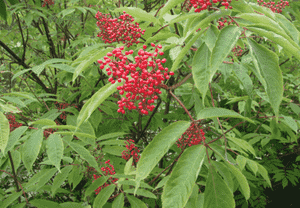
A primary feature of Red Elderberry is its striking coloration, which significantly boosts your landscape's visual charm. The bright red berries of Red Elderberry beautifully contrast its green leaves, making it a central point in any garden. This burst of color can invigorate even the dullest parts of your outdoor area, fostering an inviting atmosphere.
Year-Round Visual Impact of Red Elderberry
The aesthetic appeal of Red Elderberry isn't confined to a single season; it transforms gracefully throughout the year. In spring, its delicate white blossoms emerge, adding a gentle touch to the garden. By summer, the lush green foliage offers a fresh backdrop, and in autumn, the vivid red berries become the main attraction. Even in winter, Red Elderberry's bare branches contribute an interesting structural element to the garden's design.
Textural Variety Enhances Depth
Beyond its color, Red Elderberry introduces diverse textures to your garden, crucial for creating visual depth and intrigue. The blend of its smooth berries, textured leaves, and woody stems provides a tactile experience that can make your outdoor space more engaging. Pairing Red Elderberry with other plants of varying textures can lead to a more dynamic and layered garden layout.
Incorporating Red Elderberry into Diverse Landscape Designs
Complementing Formal Gardens
Red Elderberry can be an excellent addition to formal gardens, where its structured form and vibrant color can offer contrast to the often manicured and symmetrical plantings. Positioning Red Elderberry near entryways or along paths can draw attention and add a touch of natural elegance to these designed areas.
Enhancing Cottage-Style Gardens
For those who cherish the allure of a cottage-style garden, Red Elderberry is a perfect fit. Its somewhat informal growth habit and seasonal changes complement the relaxed, free-flowing feel of this garden style. The bright berries and blooms of Red Elderberry can contribute to the whimsical and nostalgic ambiance that cottage gardens are known for.
Integrating Red Elderberry into Minimalist Landscapes
While Red Elderberry might seem an unlikely choice for minimalist landscapes, it can actually provide just enough visual interest without overwhelming the design. Its seasonal transformations and textural elements can serve as focal points within a minimalist setting, where simplicity and clean lines are paramount. Strategic planting of Red Elderberry in limited numbers can create a significant impact while upholding the minimalist philosophy.
The Role of Red Elderberry in Sustainable Landscaping
Attracting Beneficial Wildlife
Red Elderberry is more than just a beautiful plant in your garden; it also plays a vital role in supporting local wildlife. Its berries draw birds, while its flowers provide nectar for pollinators like bees and butterflies. By planting Red Elderberry, you can help establish a thriving ecosystem right in your yard, supporting the health of local wildlife populations.
Contribution to Biodiversity
Adding Red Elderberry to your garden is a step toward boosting biodiversity, which is essential for a healthy environment. Diverse plantings can lead to a more resilient garden ecosystem, better able to resist pests and diseases than monocultures. The presence of Red Elderberry can enrich the variety of plant life in your garden, contributing to a balanced and sustainable landscape.
Natural Pest Control Advantages
A significant benefit of including Red Elderberry in your landscape is its role in natural pest management. By attracting birds and other predatory insects, Red Elderberry can help keep pest populations in check. This results in a healthier garden with less need for chemical interventions, promoting an environmentally friendly approach to gardening.
Practical Considerations for Planting Red Elderberry
Selecting the Optimal Location
When planting Red Elderberry, location is crucial. Choose a spot that receives at least partial sunlight to ensure robust growth. Additionally, consider planting Red Elderberry in an area where its size and spread won't overshadow other plants. A well-chosen location will allow Red Elderberry to flourish and provide maximum aesthetic benefit to your landscape.
Understanding Soil Requirements
Red Elderberry is quite adaptable regarding soil, but it thrives best in well-drained, slightly acidic soil. Amending the soil with organic matter like compost can help improve its structure and nutrient content, giving Red Elderberry the best possible start. Avoid overly sandy or clay-heavy soils that can hinder growth.
Managing Growth and Spread
It's important to monitor and control the growth and spread of Red Elderberry to prevent it from becoming too invasive. Regular pruning can keep its size in check and maintain its form. Furthermore, promptly removing any unwanted seedlings can prevent Red Elderberry from spreading uncontrollably, ensuring a balanced and well-maintained garden space.



