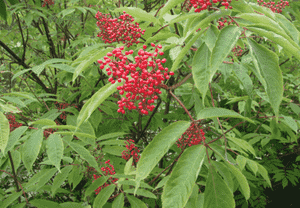
The Red elderberry Plant Advantage: Maximizing Home and Office Appeal and Wellness
1
Red elderberry provides various health advantages and strengthens the body's defenses.
2
Its distinct characteristics make Red elderberry a worthwhile inclusion in your outdoor space.
3
Red elderberry also serves as an excellent magnet for helpful creatures.
What Are the Health Benefits of Red elderberry?
Nutrient-Rich Composition
Red elderberry is abundant in vital vitamins and minerals crucial for maintaining good health. It contains significant levels of vitamin C, essential for a robust immune system. Furthermore, it offers a good supply of dietary fiber, potassium, and antioxidants, all contributing to overall wellness.
Immune System Enhancement
A key characteristic of Red elderberry is its capacity to bolster the immune system. The antioxidants present in this plant help neutralize free radicals, thereby lessening oxidative stress and inflammation within the body. This, in turn, strengthens the body's natural defenses, making it more resilient against common ailments.
Digestive Wellness
The dietary fiber in Red elderberry plays a critical role in supporting digestive health. Consuming this plant can aid in regulating bowel movements, preventing constipation, and fostering the growth of beneficial gut flora. These combined effects lead to a healthier digestive tract.
How Does Red elderberry Benefit Your Garden?
Attracting Beneficial Wildlife
Red elderberry acts as a draw for advantageous wildlife, including pollinators such as bees and butterflies. Its vibrant blossoms offer nectar and pollen, which are vital food sources for these important insects. By planting Red elderberry, you not only add beauty but also support biodiversity and your garden's ecosystem health.
Soil Improvement
The root system of Red elderberry significantly contributes to enriching the soil. They help improve soil structure, enhance aeration, and increase organic matter content. This leads to healthier plant development and reduces the need for chemical fertilizers, promoting a more sustainable gardening approach.
Can Red elderberry Be Used in Culinary Applications?
Edible Berries
The berries of Red elderberry are a versatile component in numerous culinary preparations. They can be utilized to create jams, jellies, syrups, and even wine. These berries are not only flavorful but also packed with nutritional advantages, making them an excellent addition to your kitchen supplies.
Innovative Recipes
Incorporating Red elderberry into your cooking can unlock a realm of imaginative culinary possibilities. From sweet treats to savory dishes, the distinct taste of Red elderberry berries can elevate a variety of meals. Consider experimenting with different recipes to savor the full spectrum of flavors and benefits this plant provides.
How to Care for and Cultivate Red elderberry?
Optimal Growing Conditions
Red elderberry thrives in well-drained soil and prefers locations with full sun to partial shade. It's crucial to provide sufficient watering, especially during dry periods, to ensure robust growth. Applying mulch around the plant's base can help retain soil moisture and protect the roots.
Pruning and Upkeep
Regular pruning is essential for maintaining the health and appearance of Red elderberry. Remove dead or damaged branches to encourage new growth and improve air circulation. Pruning also helps shape the plant, making it more aesthetically pleasing while promoting better fruit production over time.



