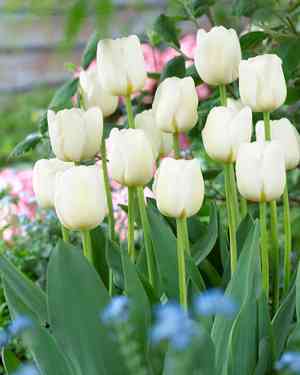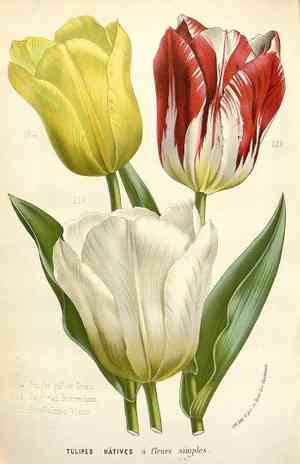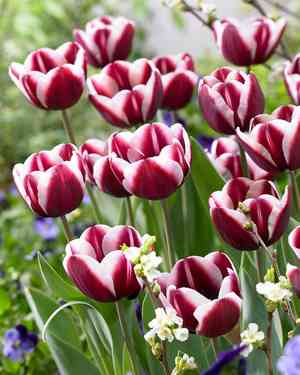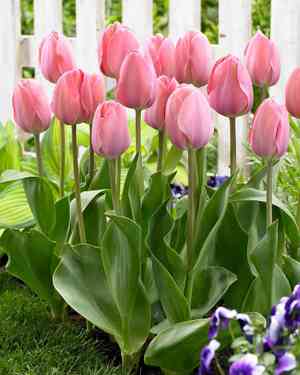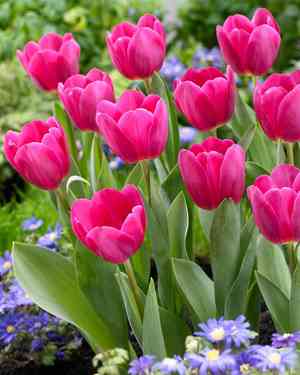
Garden tulip(Tulipa gesneriana)

Garden tulip (Tulipa gesneriana)

Also known as: Tulip

The tulip (Tulipa gesneriana) is an ornamental bulbous plant originating from southwest Asia. It was brought to Europe by the Ottomans in the 16th century and quickly gained popularity, particularly in the Netherlands. Tulips are known for their vibrant and showy flowers, which come in colors like red, orange, purple, pink, and yellow.

Attributes of Garden tulip

Lifespan
Perennial, Annual, Biennial
Plant Type
Herb
Plant Height
50 cm
Spread
5 cm
Leaf Color
Green
Flower Size
2 cm to 4 cm
Flower Color
Yellow Purple Red Orange White Pink Burgundy

ForwardPlant - Identify plants with a snap

Identify and diagnose plants, get toxicity alerts, and explore safety guides for all types of fungi.

Try for Free

Images of Garden tulip

Garden tulip(Tulipa gesneriana)

Quickly Identify Garden tulip

1
Tulipa gesneriana can be identified by its tall, slender stems, cup-shaped flowers with six tepals, and linear or lance-shaped leaves. The flowers come in a variety of colors and patterns.

Scientific Classification of Garden tulip

Phylum
Vascular plants
Class
Monocotyledons
Order
Liliales
Family
Lily
Genus
Tulips
Species
Garden tulip

Planting and Growing of Garden tulip

Care Difficulty
Easy
Watering Schedule
Every 4 days
Sunlight Requirements
Full sun
Sunshine Duration
4-6 hours
Ideal Temperature
55-68℉
Soil Type
Potting Mix, Peat Mix
Soil pH
6.5-7.5
Fertilizer Type
Balanced
Pruning Season
Spring, Summer
Pruning Area
Branches, Leaves
Pruning Frequency
2 times a year
Repotting Season
Spring
Pot Type
Plastic, Ceramic

water icon How to Water Garden tulip?

For Tulipa gesneriana, the watering should mimic their natural habitat, providing about 200ml each time to make the soil moist but not waterlogged. The key is to follow the 'soak and dry' method, allowing the soil to dry out a bit between waterings.
What are the symptoms of an underwatered Garden tulip?
What should I do if my Garden tulip is not getting enough water?
What are the symptoms of an overwatered Garden tulip?
How to save an overwatered Garden tulip?
More About Watering Techniques

sunlight icon What Are the Sunlight Requirements for Garden tulip?

Sunlight Requirements: Full sun
Duration of light: Six to eight hours
Tulipa gesneriana prospers with full sunlight exposure, ideally six to eight hours daily. This range captures the essential amounts of energy for strong photosynthetic activity, resulting in lush growth and prolific flowering.
What is the ideal light exposure for Tulipa gesneriana?
How can one achieve ideal lighting conditions for Tulipa gesneriana?
What benefits does ideal light offer Tulipa gesneriana?
More About Sunlight Requirements Techniques

temperature icon What Is the Ideal Temperature Range for Garden tulip?

Ideal Temperature: 55 ~ 68℉
For the best growth and blooming conditions, Tulipa gesneriana thrives in an ideal temperature range of 55°F to 68°F. These temperatures provide the perfect environment for root development and flower formation. If temperatures consistently exceed this range, it can lead to premature wilting and reduced flowering. Therefore, maintaining the temperature within this range is crucial during key growth phases.

soil icon What Soil is Best for Garden tulip?

Soil type: Loam, Sandy loam
Soil PH: 6.5 ~ 7.5
Tulipa gesneriana thrives in well-drained soil which helps prevent root rot by allowing excess water to escape. This condition ensures the roots have enough oxygen and are not suffocated by water, promoting healthy growth. A nutrient-rich substrate provides the essential minerals and nutrients that Tulipa gesneriana requires for robust growth and vibrant blooms. Regularly enriching the soil with organic matter enhances the soil's fertility. This plant prefers soil that retains moderate moisture without becoming soggy. This balance helps maintain plant turgidity and supports photosynthesis while preventing waterlogging. More About Soil

fertilize icon How to Fertilize Garden tulip?

Fertilizer type: Balanced
Tulipa gesneriana thrives when liquid fertilizer is applied at a rate of one teaspoon per gallon of water every two weeks during the growing season. This ensures a balanced supply of nutrients needed for robust growth and blooming. More About Fertilizing Techniques

prune icon How to Prune Garden tulip?

Pruning Time: Spring, Summer
For pruning, always ensure to use sharp and sterilized tools. Clean cuts help prevent infections, and sharp tools reduce damage, promoting faster healing for the plant. Regularly inspect Tulipa gesneriana for signs of disease or pest infestations during and after pruning. Prompt action with appropriate treatments can prevent spread and protect your plants. More About Pruning Techniques

propagate icon How to Propagate Garden tulip plant?

Propagate Time: Spring, Early spring
1
Start by collecting seeds from mature tulip plants. Sow the seeds in trays filled with sterile potting soil and cover them lightly. Keep the soil moist and place the trays in a warm area where they can receive indirect sunlight.
2
In early spring, carefully dig up the tulip bulbs once the foliage has died back. Gently separate the offsets (smaller bulbs) from the mother bulb. Replant the offsets at the appropriate depth to allow them to grow independently.
3
Maintain consistent watering, ensuring the soil is moist but not waterlogged. Tulip seeds and divisions require adequate moisture for growth, but excessive watering can lead to rot or poor root development.
More About Propagating Techniques

repot icon How to Repot Garden tulip plant?

Repotting frequency: Every two years
1
Keep an eye on your Tulipa gesneriana; repotting is necessary when you notice the roots emerging from the drainage holes or when the plant becomes root-bound. Additionally, if the soil becomes compacted and water drains slowly, it's time for a change. Spring is ideal for repotting as the plant emerges from dormancy and is more resilient.
2
Choose a pot slightly larger than the previous one, ensuring it has adequate drainage holes. Opting for a clay pot can provide better air circulation to the roots, preventing conditions that lead to root rot. Adequate space and drainage keep your tulip healthy and vibrant.
3
Select well-drained, sandy loam soil for your Tulipa gesneriana. This type of soil ensures efficient water drainage while retaining necessary moisture, reducing the risk of root rot. The sandy texture allows roots to spread, promoting strong, robust growth.

ForwardPlant - Identify plants with a snap

Find the best spots for them to optimize their health, simply using your phone.

Try for Free

Toxicity of Garden tulip

Is Garden tulip toxic to cat?

The garden tulip poses a toxic threat to cats. Should a cat accidentally consume any portion of this plant, with particular risk posed by its flowers or bulbs, it may experience poisoning. This exposure can manifest as a range of physical discomfort symptoms in cats, signaling an urgent need for veterinary assistance. Following any suspected poisoning from a garden tulip, it is crucial to promptly transport the cat to a veterinary clinic, thereby maximizing the likelihood of a successful recovery.

Is Garden tulip toxic to dog?

The garden tulip is recognized as toxic to dogs. Canines can suffer poisoning from this plant if they accidentally ingest it. The flowers and bulb of the garden tulip are the parts that present a danger, as they contain toxic components. If a dog consumes these parts, it may show symptoms such as gastrointestinal distress, excessive drooling, vomiting, or potentially more severe reactions based on the quantity ingested. It is essential for dog owners to keep a close watch on their pets and prevent them from accessing garden tulips. Should a dog consume any part of the garden tulip, it is vital to seek prompt veterinary assistance to ensure appropriate treatment and management of symptoms.

Identify toxic plants for your safety

Learn which plants are harmful to you and your pets, and make informed choices for a safer home!

Try for Free
WARNING
The judgment on toxicity and danger is for reference only. We DO NOT GUARANTEE any accuracy of such judgment. Therefore, you SHALL NOT rely on such judgment. It is IMPORTANT TO SEEK PROFESSIONAL ADVICE in advance when necessary.
More About Toxic Techniques