Optimal Fertilizer for Growing Garden tulip: What You Need to Know
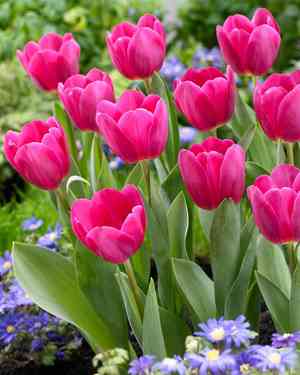
1
The best time to feed Garden tulips is in the morning because nutrients are absorbed more efficiently then.
2
Refrain from feeding Garden tulips while they are flowering; instead, fertilize before they bloom.
3
While liquid feeds provide rapid nutrient delivery, granular fertilizers offer sustained advantages.
Understanding Nutrient Requirements for Garden tulips
Why Nourishing Garden tulips is Vital
Providing nutrients to your Garden tulips is essential for ensuring they acquire the necessary elements for vigorous development and vibrant blossoms. Tulips naturally thrive in areas with rich organic soil, and when grown in gardens, they might not obtain sufficient nutrients from the soil alone. Therefore, timely and proper feeding helps replenish these crucial elements. Furthermore, by correctly fertilizing, you can boost the plant's resilience to diseases and pests, promoting healthier tulips year-round.
Essential Nutrients Needed by Garden tulips
The primary nutrients vital for Garden tulips include nitrogen (N), phosphorus (P), and potassium (K). Nitrogen is key for leaf and stem development, phosphorus aids in root and flower formation, and potassium contributes to overall plant health and disease resistance. Additionally, secondary nutrients such as calcium, magnesium, and sulfur, along with trace elements like iron, manganese, and zinc, also play significant roles in helping tulips reach their full potential.
Selecting the Appropriate Fertilizer for Garden tulip
Organic vs. Synthetic Plant Foods
When choosing between organic and synthetic fertilizers for your Garden tulips, it's important to consider their advantages and disadvantages. Organic plant foods, derived from natural sources like compost, bone meal, and manure, gradually release nutrients and improve soil structure. They are eco-friendly and foster a sustainable environment. Conversely, synthetic fertilizers offer a rapid nutrient boost and are typically more economical. However, they can lead to salt accumulation in the soil over time. Evaluate your garden's needs and environmental impact when selecting the suitable fertilizer.
Specialized Garden tulip Nutrient Blends
Specialized fertilizers formulated for Garden tulips are an excellent choice as they contain the precise balance of nutrients required for optimal growth. These plant foods often have a 10-10-10 (N-P-K) ratio or similar, ensuring a comprehensive nutrient supply. Some may also include micronutrients specifically beneficial for tulips. When purchasing fertilizers, look for products labeled as bulb fertilizers, as they are designed to support bulb growth and flowering, making them ideal for your tulips.
Optimal Practices for Feeding Garden tulips
How Frequently to Fertilize Throughout the Year
For the healthiest Garden tulips, nutrient application should be strategic. The best time to begin fertilizing is in early spring, just as the shoots start to emerge from the ground. A slow-release granular fertilizer applied at this stage will ensure the plants receive nutrients consistently as they grow. Follow with a second light application of fertilizer just before the tulips begin to bloom. Avoid fertilizing during the blooming period, focusing instead on post-bloom and late summer applications to support bulb nourishment for the subsequent growing season.
Application Methods to Maximize Benefits
To get the most from your fertilizers, follow the correct application techniques. For granular fertilizers, spread them evenly around the base of your tulips without direct contact with the stems. This method prevents potential burning of the foliage. Incorporating the fertilizers into the top 5 cm (2 inches) of soil can further enhance absorption. If you choose liquid fertilizers, dilute them according to instructions and water the soil gently around the tulip base. Always water your plants after fertilizing to help the nutrients penetrate the soil effectively.



