How Much Sunlight Do Garden tulip Need?
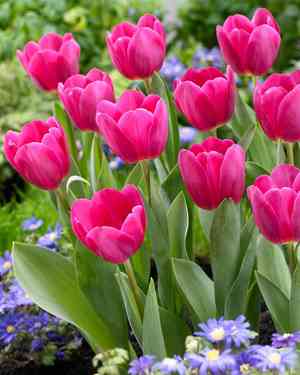
1
Garden tulips flourish with ample sunlight, requiring a minimum of 6 hours of direct sun each day.
2
Garden tulips can endure some shade, though their blossoms might be less vivid.
3
Excessive sun exposure can lead to leaf burn on Garden tulips.
Ideal Sunlight Conditions for Garden Tulips
Full Sun Requirements
Garden tulips thrive with ample sun exposure. They need placement in areas receiving a minimum of 6-8 hours of direct sunlight daily. Full sun promotes robust stems and vivid blooms. As they emerge in early spring, position them where they won't be shaded by later-leafing plants or trees.
Optimal Daily Light Duration
For peak development, Garden tulips require at least 6 hours of direct sunlight each day, ideally between 6 to 8 hours. In hot climates, ensure morning sun and some afternoon shade to prevent overheating. Consistent light supports efficient photosynthesis, leading to healthy, abundant flowers.
Seasonal Light Variations
Garden tulips follow a natural growth pattern aligned with seasonal changes. In early spring, they benefit from increasing daylight. As spring advances, extended daylight aids their full bloom. However, by late spring, they begin to fade, making way for summer flowers. Plant them to maximize early spring light without later obstruction.
Consequences of Excessive Sun Exposure for Garden Tulips
Signs of Sun Scorch
While Garden tulips love sun, too much during intense heat can cause sun scorch. Symptoms include browning leaf edges, bleached leaf patches, and a general wilted look. Prolonged exposure can also make their delicate petals dry and burnt.
Preventive Measures
To avoid sun scorch, ensure Garden tulips get morning sun and afternoon shade in hotter regions. Mulching around the base helps retain soil moisture and cool roots. Watering in early morning or late afternoon bypasses intense midday sun, keeping plants hydrated and reducing damage.
Can Garden Tulips Endure Low Light?
Identifying Light Deficiency Symptoms
When Garden tulips lack sufficient sunlight, they exhibit signs of light deprivation. You might observe elongated, spindly stems as they stretch for light, fewer or smaller flowers, and paler foliage. These symptoms indicate a need to move the tulips to a brighter location.
Adapting to Shaded Areas
Although Garden tulips prefer full sun, they can tolerate partial sun. In shaded spots, their blooms may be less vibrant or numerous, but they can still grow. If planting there, ensure at least 4-6 hours of indirect sunlight. Consider pruning nearby overhanging branches to increase light.
Utilizing Artificial Light
For indoor tulip enthusiasts or those with limited natural light, artificial grow lights can supplement. Full-spectrum LED or fluorescent lights mimic the sun's spectrum effectively. Position the light source approximately 6-12 inches (15-30 cm) above the tulips for 12-16 hours daily to ensure adequate light.
Best Practices for Ensuring Proper Sunlight for Garden Tulips
Selecting the Right Planting Location
Choose a site that maximizes sun exposure. South-facing areas, open fields, or gardens free from shade-casting trees or tall structures are ideal. Ensure well-draining soil to prevent waterlogging, as Garden tulips dislike soggy roots. Raised beds or containers can be strategically placed to capture full daylight.
Managing Sunlight Exposure
Monitor sunlight exposure throughout the day and seasons. If garden areas become shaded by foliage or structures later in the year, consider relocating your Garden tulips or providing strategic shading to manage exposure. Use garden accessories like shade cloths or movable planters to adapt to changing light conditions.
Companion Planting
Plant Garden tulips with compatible plants that have similar sunlight needs. Partners like daffodils or hyacinths can create a beautiful spring display while ensuring your tulips thrive without competing for light. Avoid planting them with taller, faster-growing plants that might overshadow them as the season progresses.



