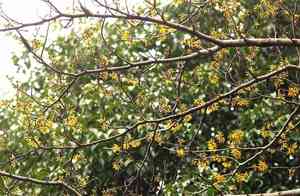
Japanese witch-hazel (Hamamelis japonica)
Also known as: Japanese Witch Hazel, Japanese Witch-Hazel
A horizontally spreading hardy deciduous shrub or small tree it is notable for the slightly fragrant yellow blooms which clothe its naked branches in the depths of winter through to early spring. The green leaves follow and in favourable locations they turn yellow before dropping in fall.
In This Article
Attributes of Japanese witch-hazel
Lifespan
Perennial
Plant Type
Shrub
Plant Height
3 m to 4.5 m
Spread
2 to 4 meters
Leaf Color
Green turning to yellow in autumn
Flower Size
2 to 3 cm
Flower Color
Yellow
Images of Japanese witch-hazel
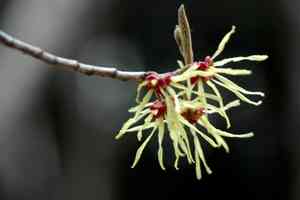
Quickly Identify Japanese witch-hazel
1
Hamamelis japonica can be identified by its medium-sized, ovate leaves with wavy edges and its distinctive yellow, spidery flowers that appear in late winter or early spring. The flowers have four narrow petals and a pleasant fragrance. The bark is smooth and gray when young, becoming slightly rougher with age.
Scientific Classification of Japanese witch-hazel
Phylum
Vascular plants
Class
Dicotyledons
Order
Saxifragales
Family
Witch-hazel
Genus
Witch hazels
Species
Japanese witch-hazel
Planting and Growing of Japanese witch-hazel
Care Difficulty
Moderate
Watering Schedule
Every 4 days
Sunlight Requirements
Partial sun
Sunshine Duration
4-6 hours
Ideal Temperature
50-68℉
Soil Type
Potting Mix, Peat Mix
Soil pH
5-7
Fertilizer Type
Balanced
Pruning Season
Spring, Summer
Pruning Area
Branches, Leaves
Pruning Frequency
2 times a year
Repotting Season
Spring
Pot Type
Plastic, Ceramic
 How to Water Japanese witch-hazel?
Hamamelis japonica, or Japanese witch hazel, requires careful attention to watering. Each session should involve about 500 milliliters of water, ensuring the soil is moist but not waterlogged. Aim to moisten the soil evenly without causing any pooling, allowing for proper drainage and aeration.
What are the symptoms of an underwatered Japanese witch-hazel?
›
What should I do if my Japanese witch-hazel is not getting enough water?
›
What are the symptoms of an overwatered Japanese witch-hazel?
›
How to save an overwatered Japanese witch-hazel?
›
 What Are the Sunlight Requirements for Japanese witch-hazel?
Hamamelis japonica thrives in partial sun conditions, benefiting from a mix of direct and indirect light. Proper light ensures robust growth, aiding in energy production and flower development.
How much light does Hamamelis japonica need?
›
What are the solutions for providing ideal light?
›
What benefits from ideal lighting can Hamamelis japonica get?
›
 What Is the Ideal Temperature Range for Japanese witch-hazel?
Hamamelis japonica thrives best in temperatures between 50°F and 68°F. This range supports healthy foliage growth and bloom formation. Temperatures within this range mimic the plant's native environment, providing optimal conditions for photosynthesis and nutrient absorption.
 What Soil is Best for Japanese witch-hazel?
Hamamelis japonica thrives in soils that offer excellent drainage, preventing root rot. Ensuring the soil can quickly shed excess water is crucial for maintaining plant health and promoting robust growth. While drainage is important, the soil should also retain sufficient moisture. This balance aids in maintaining the plant’s vitality, ensuring it doesn't dry out and stress during periods of low rainfall. A nutrient-rich soil is essential for supplying the necessary elements for strong growth and vibrant blooms in Hamamelis japonica. Regular composting can enhance the nutrient profile of the soil.
 How to Fertilize Japanese witch-hazel?
For Hamamelis japonica, apply liquid fertilizer at a rate of half the recommended strength for most houseplants, focusing on even distribution around the root area. This plant benefits from a balanced 10-10-10 liquid fertilizer for optimal growth and foliage development.
 How to Prune Japanese witch-hazel?
You will need a pair of sharp pruning shears for smaller branches, loppers for thicker branches, and a pruning saw for any particularly large or tough limbs. Ensure these tools are clean to prevent disease transmission. Start by removing any dead, diseased, or damaged wood. Focus next on branches that cross or rub against each other to improve air circulation. Thin out the canopy if necessary by removing some of the older inner branches, allowing sunlight to penetrate and reach the interior of the shrub. For Hamamelis japonica, aim to maintain its natural arching form. This generally means removing lower branches to create a clear trunk if you want a more tree-like appearance, or allowing it to bush naturally for a more rounded look. Be mindful of the overall balance while pruning to preserve its artistic silhouette.
More About Pruning Techniques→
 How to Propagate Japanese witch-hazel plant?
1
Collect seeds from mature Hamamelis japonica plants. Clean them and allow them to dry. Stratify the seeds by placing them in a moist soil medium and refrigerating for several weeks to break dormancy.
2
Choose healthy, semi-hardwood cuttings in the spring or early summer. Dip the cut ends in rooting hormone to enhance root development before planting them in a soil mix.
3
Select a flexible branch and gently bend it to the ground. Make a small wound on the underside of the branch, bury it this wounded section with soil and secure it in place. New roots should develop within a few months.
 How to Repot Japanese witch-hazel plant?
1
Hamamelis japonica shows signs of needing repotting when its roots begin to circle at the bottom of the pot or grow through the drainage holes. A lack of vigorous new growth and drying out too quickly after watering can also indicate it's time to repot. These are vital signs that the plant needs more space.
2
Select a pot that is one size larger than the current one, with adequate drainage holes. This not only accommodates the growing root system but also prevents waterlogging, which could result in root rot. The material of the pot should allow for breathability, such as terracotta, which helps in maintaining a balanced moisture level.
3
Opt for a well-draining and acidic soil mix, rich in organic matter. This soil type ensures that excess water doesn't linger, which is crucial for preventing root diseases. The acidic nature of the soil complements the plant's nutrient uptake, facilitating healthier growth and vibrant blooms.
Learn More About Japanese witch-hazel Diseases
Anthracnose
Bacterial Leaf Spot
Crown Gall
Damping-off
Downy Mildew
Drought Stress
Fusarium Wilt
Gray Mold
Leaf Curl
Leaf Spot
Mosaic
Nutrient Deficiency
Nutrient Toxicity
Powdery Mildew
Root Rot
Root-knot Nematode
Rusts
Sooty Mold
Spider Mites
Temperature Stress
Thrips Damage
White Mold
Chemical Injury



