How to Prune Japanese witch-hazel?
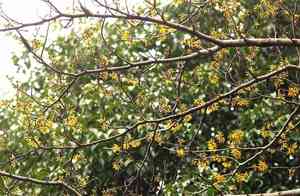
Hamamelis japonica, distinguished by its aromatic, golden blossoms and expansive green foliage, flourishes with particular trimming methods. The most effective time for pruning is from late winter to early spring, right before the emergence of new shoots. Concentrate on excising any deceased, impaired, or intersecting branches to preserve its form and well-being. Gentle cutting promotes air circulation and light exposure, thereby deterring ailments. Pruning subsequent to blooming guarantees that the plant's vigor is channeled into robust development instead of seed generation, thereby boosting its general health.
What Are the Benefits of Pruning Japanese Witch-hazel?
What Are the Benefits of Pruning Japanese Witch-hazel?
Japanese witch-hazel thrives with trimming, promoting vigorous growth and shape retention. Regular trimming encourages robust development, enhances blooms, and improves its overall look. It also aids in size management, pest resistance, and disease prevention.
What Is the Best Time for Pruning Japanese Witch-hazel?
What Is the Best Time for Pruning Japanese Witch-hazel?
Trimming japanese witch-hazel in early spring or late winter is optimal as the plant is dormant, minimizing stress and fostering healthier growth. Additionally, pruning during these periods ensures the plant's blooming cycle, typically peaking in late winter to early spring, remains undisturbed. This timing also offers better visibility of the plant's structure, simplifying shaping and the removal of dead or damaged branches before new growth emerges.
What Tools Do I Need to Prune Japanese Witch-hazel?
Bypass Pruners
Perfect for making precise cuts on live branches up to ¾ inch in diameter, crucial for maintaining the form and vitality of japanese witch-hazel.
Loppers
Useful for cutting thicker branches between ¾ inch and 2 inches. They offer increased leverage, simplifying the pruning of larger, older japanese witch-hazel branches.
Pruning Saw
Essential for removing branches exceeding 2 inches in thickness. A pruning saw enables accurate cuts that minimize plant damage.
Hedge Shears
Helpful for light shaping and trimming of smaller branches and new growth. These are particularly effective for preserving the overall appearance of japanese witch-hazel.
Pole Pruners
Important for reaching elevated branches without needing a ladder. This safety feature is valuable when trimming taller japanese witch-hazel plants.
How to Prune Japanese Witch-hazel
Inspect
Carefully examine japanese witch-hazel for any diseased, withered, or dead leaves and branches.
Clean Tools
Sanitize your pruning tools to prevent the spread of diseases.
Remove Dead Branches
Cut off any dead branches using sharp pruning shears or a saw, making clean cuts near the branch's base.
Remove Diseased Parts
Trim any diseased leaves and branches by cutting well below the affected area to ensure complete disease removal.
Dispose Safely
Discard all removed diseased and dead plant material away from japanese witch-hazel to reduce the risk of pathogen spread.
Common Pruning Mistakes with Japanese Witch-hazel
Over-pruning
Cutting back too much of the plant at once can stress it and reduce flowering. This can lead to fewer blooms and a generally weakened plant.
Incorrect cuts
Making improper cuts, such as leaving stubs or making flush cuts against the trunk, can lead to poor healing and increased vulnerability to pests and diseases.
Wrong tools
Using dull or inappropriate tools can create ragged cuts, which take longer to heal and increase the chance of infection. Always use clean, sharp pruners.
Pruning too late in the season
Although the best season for pruning is not to be discussed, it's important to time pruning correctly to avoid damaging the plant's growth cycle and future flowering potential.
Pruning at the wrong angle
Incorrect cutting angles can harm the plantâs structure and impede water runoff, which can lead to rot.
Common Pruning Tips for Japanese Witch-hazel
Maintain shape
To encourage a strong structure, prune japanese witch-hazel to maintain an open shape that allows light and air to reach the interior parts of the plant. This helps to prevent fungal infections and promotes healthy growth.
Clean cuts
Make clean, angled cuts just above a bud or branch node. This promotes quick healing and reduces the risk of disease entry.
Remove dead wood
Regularly remove dead, damaged, or diseased wood to keep the plant healthy. This can be done at any time and helps prevent the spread of diseases.
Promote air circulation
Thin out congested branches to improve air circulation within the plant. This reduces humidity, which can help prevent fungal issues.
Tools maintenance
Regularly sharpen and sanitize your pruners and other tools. This practice ensures clean cuts and minimizes the risk of transmitting diseases between plants.



