How to Transplant Japanese witch-hazel?
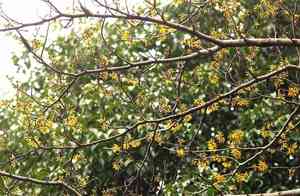
Hamamelis japonica flourishes when relocated from late winter to early spring, allowing its root system sufficient opportunity to settle prior to the summer season. Select a location offering partial shade and possessing good drainage. Guarantee steady hydration after transplantation for the best acclimation.
What Preparations are Needed Before Relocating Japanese Witch-hazel?
What is the Optimal Period for Moving Japanese Witch-hazel?
Japanese witch-hazel, a perennial plant, flourishes when moved in early to mid-spring or from early to late winter. These times minimize transplant shock due to dormancy, allowing the plant to establish roots before active growth. Relocating during these ideal periods ensures robust health and blooming in subsequent seasons.
How Much Space Should You Provide Between Japanese Witch-hazel Plants?
When relocating japanese witch-hazel, ensure each plant is spaced 10-15 feet (3-4.5 meters) apart. This will allow ample room for their development and flourishing.
What is the Best Soil Mixture for Japanese Witch-hazel Relocation?
For japanese witch-hazel, prepare soil that drains well and is acidic to neutral. You can incorporate compost or peat moss to enhance soil quality and provide a foundational layer of balanced slow-release fertilizer.
Where Should You Move Your Japanese Witch-hazel?
Select a sunny or partially shaded spot for relocating japanese witch-hazel. This plant prefers full sun to partial shade, so aim for a location that receives at least 4-6 hours of sunlight daily.
What Equipment Should You Prepare Before Relocating Japanese Witch-hazel?
Gardening Gloves
To safeguard your hands while handling soil and the plant.
Shovel or Spade
For excavating around the plant and preparing the new spot.
Watering Can
To hydrate the plant before and after its move.
Pruning Shears
To trim any damaged roots or branches during the relocation.
Garden Fork
To loosen the soil surrounding the plant's root ball.
Wheelbarrow
To transport the plant from its original spot to the new location.
Burlap or Plant Blanket
To wrap and safeguard the root ball during transit.
Mulch
To apply around the plant's base after relocation to retain moisture.
Stakes and Ties
For offering support to the plant after its move, if needed.
How Do You Extract Japanese Witch-hazel from the Soil?
How Do You Extract Japanese Witch-hazel from the Soil?
From Ground: First, hydrate the japanese witch-hazel plant to moisten the soil. Then, excavate a wide trench around the plant using a shovel or spade, ensuring the plant's root ball remains intact. Carefully work the spade beneath the root ball to lift the plant from its initial position.From Pot: Thoroughly water the japanese witch-hazel plant. Gently slide the plant out of the pot by tilting it and tapping its sides. If the plant is root-bound, gently loosen the roots with your fingers before removal.From Seedling Tray: Water the seedlings in the tray to keep the soil damp. Use a small tool or your fingers to carefully lift the seedlings from the tray, ensuring the root ball remains intact and undamaged.
Step-by-Step Guide for Relocating Japanese Witch-hazel
Prepare the New Location
Dig a hole that is twice the width and the same depth as the root ball of the japanese witch-hazel plant. Ensure the hole has a flat base to provide a stable foundation for the plant.
Improve the Soil
If necessary, blend the excavated soil with compost or well-rotted manure to enhance soil structure and nutrient content.
Move the Plant
Carefully position the japanese witch-hazel plant in the hole, ensuring it sits at the same depth as it was in its previous location. Gently spread out the roots if they are tangled or compacted.
Backfill the Hole
Fill the hole with the improved soil, gently pressing down to eliminate air pockets around the roots. Ensure the plant is securely in place but avoid compacting the soil too much.
Water the Plant
Thoroughly water the japanese witch-hazel plant immediately after relocating to help settle the soil and provide necessary hydration to the roots.
Apply Mulch
Spread a layer of mulch around the base of the plant to retain moisture, suppress weeds, and regulate soil temperature.
Support the Plant
If the japanese witch-hazel plant is tall or top-heavy, consider staking it with supports to keep it upright and stable during the initial growth period.
How Do You Care For Japanese Witch-hazel After Relocation?
Watering
Keep the soil around the japanese witch-hazel consistently moist, but not waterlogged, for the first few weeks after relocating to help establish strong roots.
Monitoring
Regularly inspect the relocated japanese witch-hazel for signs of stress such as wilting, yellowing leaves, or drooping stems. Address any issues promptly.
Pruning
After a few weeks, prune any dead or damaged branches to encourage healthy growth and shape the plant as desired.
Fertilizing
Avoid fertilizing immediately after relocating. Wait until the plant shows new growth before applying a balanced fertilizer to support its development.
Protection
Initially protect the japanese witch-hazel from strong winds and direct sun exposure. Consider using shade cloths or windbreaks if necessary.
Troubleshooting Common Issues with Japanese Witch-hazel Relocation.
What's the best time to relocate japanese witch-hazel?
Relocate japanese witch-hazel in early-to-mid spring or early-to-late winter for optimal growth.
How do I prepare the new site for japanese witch-hazel?
Ensure the new site is well-drained and receives adequate sunlight, with a spacing of 10-15 feet (3-4.5 meters).
How should I handle japanese witch-hazel's roots during relocation?
Be gentle with the roots, avoiding any damage. Keep the root ball intact when moving.
How deep should the hole be for relocating japanese witch-hazel?
Dig a hole twice the width and the same depth as the root ball of japanese witch-hazel.
What soil conditions are best for japanese witch-hazel's relocation?
Use well-draining, slightly acidic to neutral soil for a successful relocation of japanese witch-hazel.
How much water does japanese witch-hazel need after relocating?
Water japanese witch-hazel thoroughly immediately after relocating and keep the soil moist, not waterlogged.
Should I prune japanese witch-hazel before or after relocating?
It's best to lightly prune japanese witch-hazel before relocating to reduce stress on the plant.
How do I reduce relocation shock in japanese witch-hazel?
Minimize relocation shock by watering well, avoiding root damage, and relocating during recommended seasons.
Do I need to fertilize japanese witch-hazel after relocating?
Wait a few weeks after relocating to apply a balanced fertilizer to japanese witch-hazel to ensure root establishment.
How soon can I expect to see new growth on japanese witch-hazel after relocating?
New growth on japanese witch-hazel can be seen within a few weeks to a month, depending on care and conditions.



