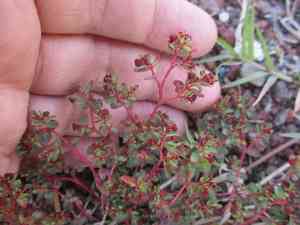
Worm seeded spurge (Euphorbia vermiculata)
Also known as: Wormleaf Sandmat, Hairy Spurge
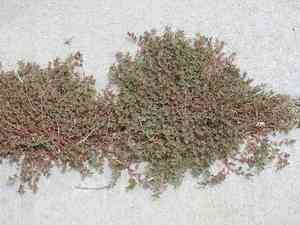
Wormseed spurge is a sprawling, herbaceous perennial with narrow, hairy leaves along its stems. It produces small, green flowers from late spring to early summer that are easy to miss. This plant thrives in dry, rocky soils and is highly drought-resistant, making it well-suited for challenging environments where many other plants might struggle.
In This Article
Attributes of Worm seeded spurge
Lifespan
Annual
Plant Type
Herb
Plant Height
30 cm to 91 cm
Spread
The crown is typically not prominent, but the plant can spread 15-20 cm (6-8 inches) wide.
Leaf Color
Green
Flower Size
Less than 1 cm (0.4 inches)
Flower Color
Yellow Red Green
Images of Worm seeded spurge
Quickly Identify Worm seeded spurge
1
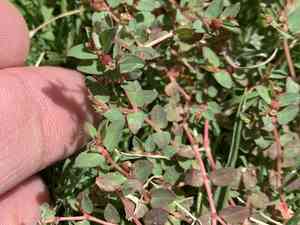
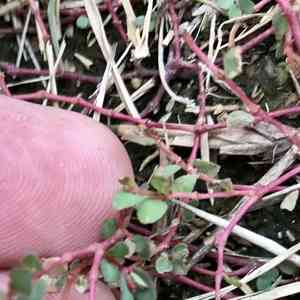
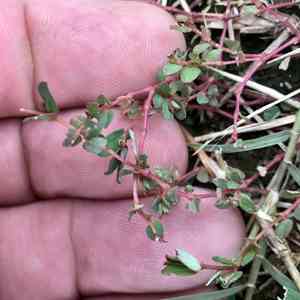
The plant can be identified by its small, hairy, and often reddish stems, along with tiny, inconspicuous flowers. Its leaves are opposite and linear, resembling worm shapes, which aids in its identification.
Scientific Classification of Worm seeded spurge
Phylum
Vascular plants
Class
Dicotyledons
Order
Malpighiales
Family
Spurge
Genus
Spurges
Species
Worm seeded spurge
Planting and Growing of Worm seeded spurge
Care Difficulty
Easy
Watering Schedule
Every 2 days
Sunlight Requirements
Partial sun
Sunshine Duration
6-10 hours
Ideal Temperature
65-75℉
Soil Type
Potting Mix, Peat Mix
Soil pH
6.5-7.5
Fertilizer Type
Balanced
Pruning Season
Spring, Summer
Pruning Area
Branches, Leaves
Pruning Frequency
2 times a year
Repotting Season
Spring
Pot Type
Plastic, Ceramic
 How to Water Worm seeded spurge?
Euphorbia vermiculata prefers to have its soil remain slightly dry between waterings. When you water, make sure to thoroughly moisten the soil, but be cautious not to let the plant sit in standing water. A general guide is to provide about 50ml per watering session, ensuring the water penetrates the soil without causing any pooling.
What are the symptoms of an underwatered Worm seeded spurge?
›
What should I do if my Worm seeded spurge is not getting enough water?
›
What are the symptoms of an overwatered Worm seeded spurge?
›
How to save an overwatered Worm seeded spurge?
›
 What Are the Sunlight Requirements for Worm seeded spurge?
Partial shade, meaning moderate sunlight, leads to optimal photosynthesis and vibrant, lush growth, enhancing foliage health and flower development over time.
What is the preferred amount of sunlight?
›
How can I achieve the ideal lighting condition?
›
What are the benefits of achieving ideal light conditions?
›
 What Is the Ideal Temperature Range for Worm seeded spurge?
Euphorbia vermiculata thrives best within an ideal temperature range of 65 to 75°F. This range supports optimal photosynthesis and growth processes, ensuring the plant achieves a healthy and robust development. Maintaining this temperature helps in minimizing stress and prevents stunting of growth.
 What Soil is Best for Worm seeded spurge?
Euphorbia vermiculata thrives in soils with excellent drainage to prevent root rot. The sandy and loamy textures allow water to flow through efficiently, providing ideal conditions for growth. This plant prefers soil with moderate nutrient levels, avoiding overly rich soils that might lead to excessive foliage at the expense of blooms. Euphorbia vermiculata can tolerate slightly alkaline conditions, making it suitable for calcareous soils that have a higher pH level, ensuring stable plant development.
 How to Fertilize Worm seeded spurge?
For Euphorbia vermiculata, the fertilizer amount should be moderate. Use a balanced fertilizer such as 10-10-10 NPK. For liquid fertilizers, dilute it to half the recommended strength to avoid overfeeding. Generally, a dilution rate of 1 tablespoon of fertilizer per gallon of water is suitable.
 How to Prune Worm seeded spurge?
Begin by gathering clean, sharp pruning shears and gloves. It's essential for the tool to be disinfected, preventing disease spread. Wear gloves to protect your skin from the sap, which can be an irritant. Euphorbia vermiculata often develops overgrown or leggy growth. Identify these long stems or any dead or damaged foliage. Removing these encourages new growth and maintains a tidy appearance. Make cuts at a slight angle close to a node or leaf to stimulate new growth at these points. Avoid cutting too deeply into the main stem to prevent unnecessary damage and potential disease entry. After pruning, Euphorbia vermiculata benefits from a light watering to offset stress. Consider applying a mild fertilizer several weeks later when the plant begins to show new growth.
More About Pruning Techniques→
 How to Propagate Worm seeded spurge plant?
1
Start by preparing a well-draining soil mix suitable for Euphorbia. A mix of peat, sand, and perlite works well. Ensure the soil is moist but not waterlogged before planting seeds or cuttings.
2
Scatter the seeds on the surface of the prepared soil. Lightly press them into the soil, but do not cover them fully, as they need light for germination. Keep the soil consistently moist and place the tray in a warm, well-lit location.
3
For cutting propagation, select healthy stems and cut them just below a node. Remove the lower leaves and dip the cut end in rooting hormone powder to enhance root development. Plant them in the prepared soil mix.
 How to Repot Worm seeded spurge plant?
1
Monitor the roots peeking out of the drainage holes. If they’re excessively visible or tightly coiled, it indicates the pot is too small. Additionally, if the plant growth seems stunted despite proper care, it's time for a new pot.
2
Select a pot with ample drainage holes that allows excess water to escape. Preferably, choose one size larger than the current pot. A terracotta pot is ideal as it facilitates better air circulation around the roots, promoting healthy growth.
3
Opt for a well-draining cactus mix, enhanced with a bit of perlite or sand. This ensures good aeration, preventing water from stagnating and causing root rot, which is vital for Euphorbia vermiculata.
Toxicity
Ingestion, skin contact, exposure to sap
WARNING
The judgment on toxicity and danger is for reference only. We DO NOT GUARANTEE any accuracy of such judgment. Therefore, you SHALL NOT rely on such judgment. It is IMPORTANT TO SEEK PROFESSIONAL ADVICE in advance when necessary.
Learn More About Worm seeded spurge Diseases
Anthracnose
Bacterial Leaf Spot
Bacterial Soft Rot
Bacterial Wilt
Black Spot
Chemical Injury
Crown Gall
Cyst Nematode
Damping-off
Downy Mildew
Drought Stress
Fusarium Wilt
Gray Mold
Leaf Curl
Leaf Spot
Mosaic
Nutrient Deficiency
Nutrient Toxicity
Powdery Mildew
Root Rot
Root-knot Nematode
Rusts
Sooty Mold
Spider Mites
Temperature Stress
Thrips Damage
White Mold



