How to Prune Worm seeded spurge?
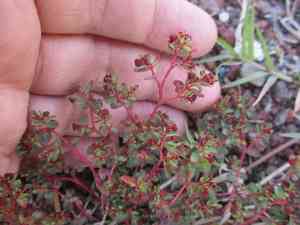
Recognized for its unique, delicate leaves, worm seeded spurge flourishes with little upkeep. Trim sparingly during Spring, Summer, and Autumn to foster denser development and curb excessive expansion. Concentrate on eliminating spent blooms and managing its form. Strategic trimming optimizes vitality and preserves visual appeal, diminishing disease susceptibility by enhancing air movement. Always employ sharp, sanitized implements for accurate incisions.
What Are the Benefits of Pruning Worm Seeded Spurge?
What Are the Benefits of Pruning Worm Seeded Spurge?
Trimming worm seeded spurge encourages robust development and helps keep a compact, appealing form. Regular cutting promotes denser foliage and prevents the plant from becoming leggy and disorganized.
What Is the Best Time for Pruning Worm Seeded Spurge?
What Is the Best Time for Pruning Worm Seeded Spurge?
Pruning worm seeded spurge in Spring is optimal as it aids in removing any winter damage and stimulates new growth for the upcoming season. Summer trimming should focus on upkeep, such as eliminating any excessively vigorous or unwanted growth, which assists in maintaining the plant's shape and health. Fall pruning is beneficial for removing old or dead foliage and preparing worm seeded spurge for winter, decreasing the likelihood of disease and pest issues.
What Tools Do I Need to Prune Worm Seeded Spurge?
Hand Pruners
Perfect for making precise cuts to remove unwanted branches or thin out crowded areas in worm seeded spurge. These allow for control and minimal harm to the plant's smaller, delicate stems.
Gardening Gloves
Essential for handling worm seeded spurge, especially given the potential skin irritants in its sap. Gloves protect against cuts and exposure to irritants during trimming.
Pruning Saw
Useful for cutting through thicker stems or branches of worm seeded spurge, if needed. This tool helps manage more substantial growth that hand pruners cannot handle.
How to Prune Worm Seeded Spurge
Identify
Locate the withered or dead leaves on worm seeded spurge. Carefully inspect the plant to distinguish between healthy and unhealthy foliage, focusing on leaves that appear dry, discolored, or shriveled.
Prepare tools
Get the pruning tools ready. Use clean, sharp scissors or pruning shears. Sanitize the blades with rubbing alcohol or a bleach solution to prevent disease spread.
Trim
Cut off the withered leaves. Carefully snip the dead or dying leaves at their base where they meet the stem or from their nearest healthy connection. Avoid pulling leaves as this can harm the healthy parts of worm seeded spurge.
Dispose
Properly dispose of the removed foliage. Place the withered leaves in a compost bin or discard them with yard waste to prevent any potential disease from spreading in the garden.
Monitor
Observe worm seeded spurge after pruning. Keep an eye on the plant over the subsequent weeks to ensure it maintains healthy growth and check periodically for any new signs of wilting or disease.
Common Pruning Mistakes with Worm Seeded Spurge
Overpruning
Removing too much of worm seeded spurge's foliage can weaken the plant, as it relies heavily on its leaves for photosynthesis. Beginner gardeners often make this error in an attempt to excessively tidy up or reshape the plant.
Inappropriate Technique
Using dull or dirty pruning tools can damage the stems of worm seeded spurge, leading to jagged cuts that heal poorly. This exposes the plant to potential infections and pests.
Ignoring Plant Health
Trimming worm seeded spurge when it is stressed, such as during periods of drought or pest infestation, can further compromise its vitality. It's crucial to assess the plant's overall health before any pruning.
Unbalanced Pruning
Focusing only on the top or a specific side of worm seeded spurge without considering the overall shape and balance of the plant can lead to uneven growth and aesthetic appeal.
Common Pruning Tips for Worm Seeded Spurge
Correct Tools
Always use sharp, clean pruning shears. This ensures clean cuts that heal quickly, minimizing stress and the risk of disease.
Selective Pruning
Focus on removing dead or unhealthy stems first, which helps worm seeded spurge direct its energy towards healthy growth. Then, thin out areas that are overly dense to increase air circulation and light penetration.
Maintain Natural Shape
When shaping worm seeded spurge, aim to enhance its naturally sprawling habit. Avoid overly geometric or unnatural shapes that can stress the plant and stifle its growth.
Gradual Approach
Especially for gardeners who are reshaping worm seeded spurge or controlling its size, it's advisable to prune gradually over a season. This prevents shock and gives the gardener a chance to evaluate and adjust their approach.



