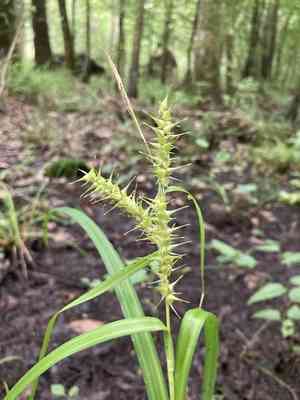
Giant sedge (Carex gigantea)
Also known as: Giant Sedge
The plant you're referring to is likely the giant sedge. This hardy perennial thrives in wetland environments, often growing taller than a meter. It features long, arching leaves that form dense clumps and produces distinctive brown, spiky flower spikes in late spring. Its lush growth offers shelter to wildlife and helps stabilize the wet, marshy soil with its extensive root network.
In This Article
Attributes of Giant sedge
Lifespan
Perennial
Plant Type
Grass
Plant Height
Up to 1.5 meters
Spread
N/A
Leaf Color
Green
Flower Size
N/A
Flower Color
Greenish
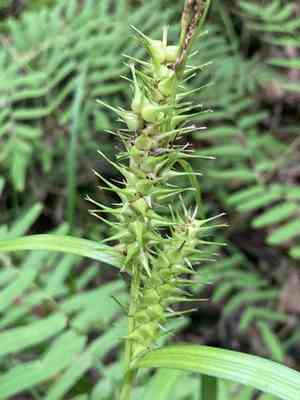
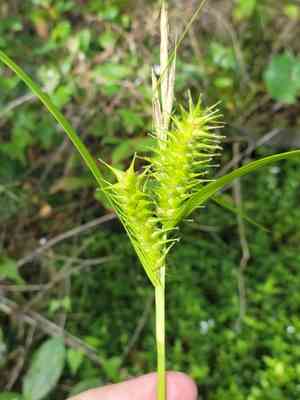
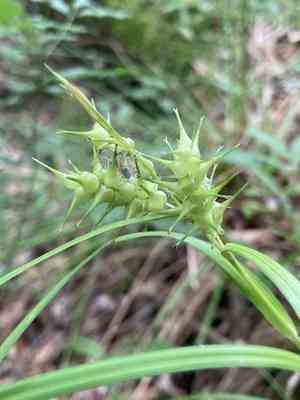
Images of Giant sedge
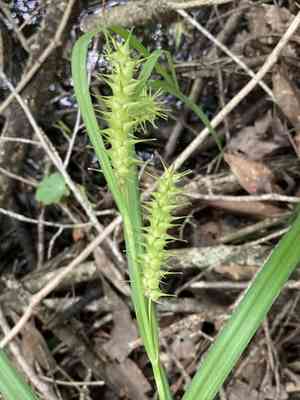
Quickly Identify Giant sedge
1
To identify Carex gigantea, look for its tufted growth habit, broad leaves that can reach up to 1.2 meters in length, and its distinctive triangular stems. The plant also produces large, pendulous spikes which contain its reproductive structures.
Scientific Classification of Giant sedge
Phylum
Vascular plants
Class
Monocotyledons
Order
Poales
Family
Sedge
Genus
True sedges
Species
Giant sedge
Planting and Growing of Giant sedge
Care Difficulty
Moderate
Watering Schedule
Every 2 days
Sunlight Requirements
Partial sun
Sunshine Duration
6-8 hours
Ideal Temperature
65-75℉
Soil Type
Potting Mix, Peat Mix
Soil pH
5.5-7
Fertilizer Type
Balanced
Pruning Season
Spring, Summer
Pruning Area
Branches, Leaves
Pruning Frequency
2 times a year
Repotting Season
Spring
Pot Type
Plastic, Ceramic
 How to Water Giant sedge?
Carex gigantea prefers a consistent but moderate amount of water. It thrives when the soil is kept uniformly moist, but not waterlogged. Ensure the water penetrates deeply into the soil, around 300 ml per session, to nurture its extensive root system.
What are the symptoms of an underwatered Giant sedge?
›
What should I do if my Giant sedge is not getting enough water?
›
What are the symptoms of an overwatered Giant sedge?
›
How to save an overwatered Giant sedge?
›
 What Are the Sunlight Requirements for Giant sedge?
Carex gigantea prefers partial sun, benefiting from roughly 3 to 6 hours of sunlight daily. This balance allows optimal photosynthesis and robust growth, avoiding the stress of full sun or complete shade.
What type of lighting does Carex gigantea thrive in?
›
How can you achieve the ideal lighting for Carex gigantea?
›
What are the benefits of ideal lighting for Carex gigantea?
›
 What Is the Ideal Temperature Range for Giant sedge?
Carex gigantea grows best in a temperature range of 65°F to 75°F, offering the right conditions for optimal growth. This range provides sufficient warmth while facilitating metabolic processes and cellular functions within the plant, ensuring healthy development.
 What Soil is Best for Giant sedge?
Carex gigantea thrives in soils with good moisture retention. This feature ensures that the roots stay hydrated, especially in warmer months, contributing to robust growth and lush foliage. The plant prefers nutrient-rich soils, which provide essential minerals for growth and development. This type of soil promotes vigorous plant health and helps in building strong root systems. Well-drained soil is crucial to prevent waterlogging, which can damage the roots. Proper drainage ensures that the plant does not suffer from root rot, promoting longevity and resilience.
 How to Fertilize Giant sedge?
For Carex gigantea, the amount of fertilizer should be moderate. Use a liquid fertilizer diluted to half the strength recommended on the package. For slow-release fertilizers, apply according to package instructions, typically using a smaller amount than for more nutrient-demanding plants.
 How to Prune Giant sedge?
Start by cutting back any dead or yellowing foliage. Use sharp shears to make cuts at the base of the plant to remove these without damaging healthy parts. Focus on trimming areas that have grown excessively to maintain the desired shape and size of your Carex gigantea. Keep your cuts at 45-degree angles and avoid cutting more than one-third of the plant at once.
More About Pruning Techniques→
 How to Propagate Giant sedge plant?
1
Begin by selecting healthy seeds and preparing them for sowing. Soak the seeds in water for a few hours to help soften the seed coat, which can improve germination rates. This step is vital for breaking dormancy and encouraging quicker growth.
2
For division propagation, carefully dig up the plant clump using a garden fork, ensuring minimal root damage. Once lifted, gently separate the clump into smaller sections, each with a good root structure. This ensures each division has a strong foundation for growth.
3
After preparing seeds or divisions, plant them into well-prepared soil or containers. Ensure they are planted at the correct depth, and water thoroughly to settle the soil around the roots. Consistent moisture is key, but avoid waterlogging which can cause rot.
 How to Repot Giant sedge plant?
1
Carex gigantea should be repotted when you notice significant root crowding or the soil fails to retain moisture as it should. A clear sign is when roots start circling the pot’s perimeter or poke through the drainage holes.
2
Choose a pot that is one to two inches larger in diameter than the current one. This allows ample space for root expansion without overwhelming the plant with unused soil. Opting for pots with drainage holes is critical to prevent water stagnation and root rot.
3
Select soil that is moist but allows excess water to drain quickly. A good mix includes garden soil, sand, and organic matter. This blend provides essential nutrients while ensuring that the roots remain aerated and not waterlogged.
Learn More About Giant sedge Diseases
Anthracnose
Bacterial Leaf Spot
Bacterial Soft Rot
Chemical Injury
Cyst Nematode
Damping-off
Downy Mildew
Drought Stress
Fusarium Wilt
Gray Mold
Leaf Spot
Mosaic
Nutrient Deficiency
Nutrient Toxicity
Powdery Mildew
Root Rot
Root-knot Nematode
Rusts
Sooty Mold
Spider Mites
Temperature Stress
Thrips Damage
White Mold



