How to Propagate Giant sedge?
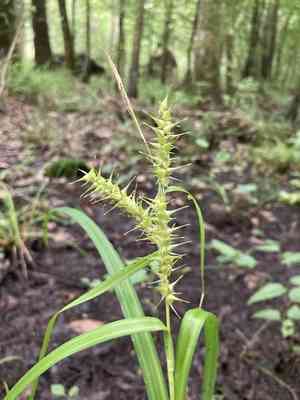
Carex gigantea, a perennial grass-like plant, flourishes in marshlands and boggy environments. For reproduction, separate the root masses, making sure every piece possesses robust roots and new growth. Position these separated portions in comparable damp surroundings, maintaining continuous soil moisture for effective rooting. Always manage the fragile root systems with care to prevent harm, and supply abundant hydration after transplanting to aid recuperation.
Optimal Period for Giant Sedge Propagation
Propagation Type
Division
Propagation Season
Spring,Autumn
Tools for Giant Sedge Propagation
Spade or Garden Fork
Crucial for digging up and lifting giant sedge clumps from the ground. These tools enable careful plant removal without root damage, vital for successful division.
Sharp Knife or Garden Shears
Essential for dividing giant sedge clumps into smaller sections. Sharp tools ensure clean cuts, minimizing plant stress and damage, fostering better regeneration and growth.
Rooting Hormone
Though not always required, rooting hormone can stimulate root development in newly divided giant sedge sections. It's particularly useful for divisions with few roots or to boost new plant establishment.
Bucket or Container
Used for holding water or a mild disinfectant to clean tools between cuts. This practice helps prevent disease spread and ensures the health of divided giant sedge sections.
Watering Can or Hose with Gentle Spray
After dividing and replanting giant sedge, thorough watering is important to settle the soil and provide necessary moisture for root establishment. A gentle spray minimizes soil disruption and damage to delicate new roots.
Mulch or Compost
Applying mulch or compost around newly planted giant sedge sections helps retain soil moisture, suppress weeds, and supply nutrients, supporting healthy growth and successful establishment.
How to Propagate Giant Sedge?
Propagation Type
Easy
Caring for Your Newly Propagated Giant Sedge
Caring for Your Newly Propagated Giant Sedge?
Keep the soil around giant sedge consistently moist but not waterlogged. Apply mulch at the base to retain moisture and control weeds. Regularly inspect for disease or pests, and prune dead or damaged foliage to encourage healthy growth. Fertilize annually with a balanced, slow-release product during the growing season. Monitor new plants for vigorous growth and adjust care as needed.
Common Mistakes to Avoid When Propagating Giant Sedge
Overwatering
Excessive moisture can cause root rot, which is harmful to giant sedge as it prefers well-drained soil.
Incorrect soil type
Using soil that holds too much water or lacks proper drainage can hinder the growth and vitality of giant sedge.
Inadequate light
Insufficient light can impede photosynthesis, which is crucial for the energy and development of giant sedge.
Ignoring pests and diseases
Failing to monitor and treat pests and diseases can lead to severe harm or death of giant sedge.
Improper cutting technique
Using dull tools or incorrect cutting methods can damage plant tissues, reducing its ability to propagate successfully.
Tips For Propagating Giant Sedge
Use well-drained soil
Ensure the soil mixture allows excess water to drain efficiently, maintaining optimal moisture levels for giant sedge.
Moderate watering
Water sparingly, letting the soil dry out slightly between waterings to prevent root rot.
Provide adequate light
Position giant sedge where it receives sufficient indirect light, which is vital for its growth and health.
Regular pest monitoring
Frequently check for pests and diseases and address them promptly to maintain the health of giant sedge.
Use sharp, clean tools
Utilize sharp, sterilized tools for cutting and propagation to ensure clean cuts and minimize infection risk.
Ensure proper spacing
Plant giant sedge with ample space to allow air circulation, which helps prevent fungal issues and promotes healthy growth.



