How to Transplant Giant sedge?
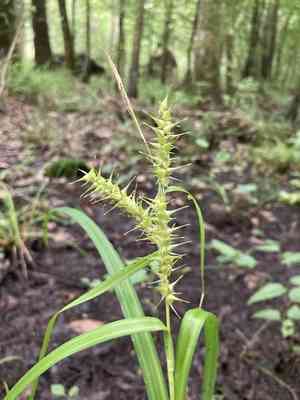
Giant sedge flourishes most effectively when relocated between early and late spring, or from mid to late autumn. These intervals enable the plant to develop its root system prior to the onset of harsh weather. Select a damp, shaded spot for its most favorable development.
Preparations Required Before Relocating Giant Sedge?
Optimal Period for Moving Giant Sedge?
Giant sedge, a perennial, is best moved from early to late spring and mid to late autumn. These times offer moderate temperatures and ample rainfall, aiding root establishment. Transplanting then minimizes stress and boosts successful growth, ensuring giant sedge flourishes in its new spot.
Recommended Spacing Between Giant Sedge Plants?
When relocating giant sedge, ensure ample room for each plant to expand. A distance of 18-24 inches (45-60 cm) between plants is ideal. This guarantees sufficient space for root system development and overall plant health.
Ideal Soil Mixture for Giant Sedge Relocation?
Prepare a well-draining soil blend for moving giant sedge. A loamy soil enriched with organic matter, such as compost, is perfect. Incorporate a base layer of balanced, slow-release fertilizer to supply essential nutrients and encourage robust growth.
Where to Replant Your Giant Sedge?
Select a site that receives partial to full shade for relocating giant sedge. While giant sedge can endure some sun, excessive direct sunlight can stress the plant. A location with dappled sunlight or morning sun and afternoon shade is optimal.
Equipment Needed Before Relocating Giant Sedge?
Gardening Gloves
To safeguard your hands while handling soil and plants.
Shovel or Spade
For digging around the plant and extracting it from its original spot.
Trowel
For more precise digging and planting tasks.
Watering Can or Garden Hose
To moisten the soil before removal and to hydrate the plant after relocation.
Wheelbarrow or Tarpaulin
For moving the plant if necessary.
Mulch
To help retain moisture and regulate soil temperature post-transplant.
Stakes and Ties
To support the plant if it's tall or top-heavy.
How to Extract Giant Sedge from the Soil?
How to Extract Giant Sedge from the Soil?
From Ground: First, water the giant sedge plant to moisten the soil. Then, dig a wide trench around the plant using a shovel or spade, ensuring the plant's root ball remains intact. Carefully work the spade under the root ball to lift the plant from its original location.From Pot: Water the giant sedge plant thoroughly, then gently invert the pot while supporting the plant with your other hand. Tap the bottom of the pot to loosen the plant. If it doesn't slide out, gently squeeze or shake the pot until the root ball comes free.From Seedling Tray: Water the giant sedge seedlings to ensure the soil is moist. Use a small trowel or your fingers to carefully lift each seedling from the tray, ensuring you get a good portion of the root. Handle seedlings by the leaves to avoid damaging the delicate stems.
Step-by-Step Guide for Relocating Giant Sedge
Prepare the New Site
Ensure the new planting location is ready before removing the plant. Dig a hole that is twice as wide and the same depth as the giant sedge plant's root ball.
Removal
Follow the instructions in the removal process section to carefully extract the giant sedge plant from its original spot.
Transport
If needed, use a wheelbarrow or tarpaulin to move the giant sedge plant to its new location.
Planting
Place the giant sedge plant in the new hole at the same depth it was previously growing. Ensure the roots are spread out within the hole.
Backfilling
Refill the hole with soil, gently tamping it down to eliminate air pockets while keeping the plant upright.
Watering
Thoroughly water the giant sedge plant to settle the soil around its roots.
Mulching
Apply mulch around the base of the giant sedge plant to help retain moisture and suppress weeds.
Post-Transplant Care for Giant Sedge?
Watering
Keep the soil around the giant sedge consistently moist, but not waterlogged, for the initial weeks after transplanting to aid in strong root establishment.
Staking and Support
If the giant sedge plant is tall or top-heavy, use stakes to support it until its roots become established.
Monitoring
Regularly inspect the giant sedge plant for signs of stress, such as wilting or yellowing leaves, and adjust its care as needed.
Addressing Common Issues with Giant Sedge Relocation.
When is the best time to move giant sedge?
Relocate giant sedge between early spring and mid-fall, ensuring mild temperatures.
How far apart should I space giant sedge when moving?
Space giant sedge 18-24 inches (45-60 cm) apart for optimal growth.
What soil type is ideal for giant sedge?
Giant sedge thrives in well-drained, rich soil with consistent moisture.
How should I prepare the soil for giant sedge?
Loosen the soil to about 10 inches (25 cm) and mix in organic compost.
How deep should I plant giant sedge?
Plant giant sedge at the same depth it was growing previously to avoid stress.
How much water does giant sedge need after transplanting?
Water giant sedge thoroughly after transplanting and keep the soil consistently moist.
What should I do if giant sedge looks wilted after transplanting?
Ensure proper watering, provide some shade, and avoid fertilizing immediately.
Do I need to fertilize giant sedge after transplanting?
Avoid fertilizing immediately; wait a few weeks to let the plant acclimate.
How do I prevent transplant shock in giant sedge?
Transplant gently, keeping the root ball intact and water well post-transplant.
Can giant sedge be transplanted in late winter?
Yes, giant sedge can be transplanted in early winter when the ground is not frozen.



