How to Prune Giant sedge?
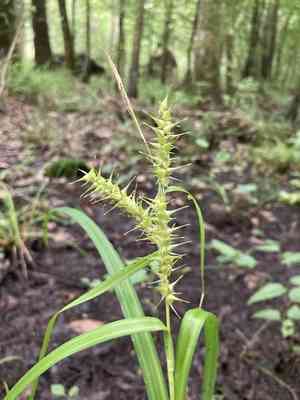
Careful trimming of giant sedge, recognized for its lofty, thick greenery and affinity for moist environments, is advantageous at specific times of the year. In early spring, cut back aged and compromised leaves, and during winter, eliminate deceased portions to stimulate fresh development and preserve the plant's well-being. Consistent pruning aids in controlling its expansion and guaranteeing robust proliferation. Always sanitize your cutting implements to avert illness, and make certain that all incisions are precise to lessen the plant's strain.
What Are the Benefits of Pruning Giant Sedge?
What Are the Benefits of Pruning Giant Sedge?
Giant sedge thrives with trimming, which encourages robust development and maintains an appealing form. Regular cutting helps manage its dimensions and prevents overcrowding, ensuring a healthier specimen. Proper pruning also reduces pest and disease risks, boosting giant sedge's resilience.
What Is the Best Time for Pruning Giant Sedge?
What Is the Best Time for Pruning Giant Sedge?
Early spring and winter are ideal for trimming giant sedge because during these periods, giant sedge is typically dormant or less active. Pruning in early spring allows the plant to recover and grow efficiently during the upcoming active season. Winter pruning minimizes the risk of disease and pest infestations as these threats are generally less active in colder temperatures. Additionally, winter pruning helps avoid disrupting flowering cycles, ensuring the plant can fully bloom naturally.
What Tools Do I Need to Prune Giant Sedge?
Bypass Pruners
Bypass pruners are perfect for making clean cuts on living stems, crucial for maintaining giant sedge's health and appearance. They provide precise cutting action and lessen the chance of crushing plant tissue.
Hand Shears
Hand shears are suitable for trimming giant sedge foliage, especially when shaping the plant or removing dead material. These shears allow for more controlled cutting compared to larger implements.
Grass Shears
Grass shears are excellent for maintaining edges and grooming giant sedge, helping to keep the plant neat and preventing overgrowth.
Lopping Shears
Lopping shears can be utilized for cutting thicker stems and dead material from giant sedge. They offer increased leverage and cutting power, making them appropriate for larger, tougher sections.
How to Prune Giant Sedge
Identify
Examine giant sedge for any indications of diseased or withered leaves. Look for discoloration, spots, or unusual changes in leaf structure.
Prepare
Ensure tools are clean and sharp to prevent any potential spread of illness. Use sterilized pruning shears or scissors.
Remove diseased
Carefully cut off any diseased leaves at their base, making sure not to cut into healthy tissue. Dispose of these leaves properly to prevent disease spread.
Remove withered
Trim away withered leaves, making a clean cut at the point where they connect to the main stem or plant base. Ensure no stubs remain.
Dispose
Gather and discard all trimmed parts away from the garden area to minimize the risk of pest or disease outbreaks.
Common Pruning Mistakes with Giant Sedge
Over-pruning
Removing too much of the plant at once can stress it, leading to reduced growth and susceptibility to diseases.
Improper tools
Using dull or dirty tools can cause jagged cuts or introduce infections. Always use sharp, sterilized pruners.
Incorrect cutting technique
Cutting too close to the base or too far from the node can hinder regrowth and lead to dieback.
Neglecting dead and damaged growth
Failing to remove dead or damaged sections can attract pests and diseases, compromising the plant's health.
Pruning at the wrong stage of growth
Cutting during active growth phases can divert energy away from developing healthy foliage.
Common Pruning Tips for Giant Sedge
Use clean and sharp tools
Ensure your pruning shears are in good condition to make clean cuts and avoid introducing pathogens.
Remove dead and damaged stems
Focus on cutting back any dead or unhealthy stems to prevent disease spread and encourage air circulation.
Make precise cuts
Aim for clean cuts at an angle, just above a leaf node or bud, to promote quick healing and proper regrowth.
Limit pruning
For giant sedge, less is often more. Prune conservatively to avoid excessive stress on the plant. A light trim to shape and manage size is usually sufficient.
Observe the plant
Regularly check giant sedge for any signs of stress or disease. Early intervention with pruning can prevent bigger problems later.



