How Often Should You Water Your Purple toadflax?
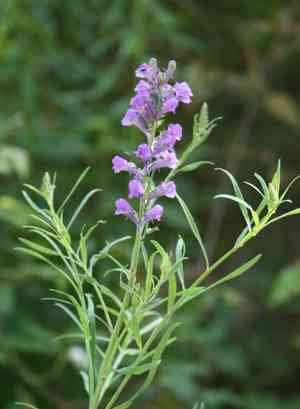
1
Provide your Purple toadflax with water weekly for best development.
2
Assess soil dampness prior to irrigation to avoid excessive watering.
3
During colder months, decrease watering as the plant becomes inactive.
Understanding the Hydration Requirements of Purple Toadflax
Elements Affecting Water Needs
The hydration demands of Purple toadflax can vary significantly based on several elements, including its surroundings, substrate type, and developmental stage. Climate plays a vital role; for example, in warmer, arid conditions, the plant will necessitate more frequent irrigation. Conversely, in cooler, more humid environments, less frequent watering is required. Soil composition also impacts water needs; sandy soils drain rapidly and might need more watering, while clay soils retain moisture longer.
Indicators of Sufficient Moisture
Purple toadflax displays specific indicators when it has received adequate moisture. Healthy, vibrant green foliage and vigorous development are positive signs. Furthermore, the soil should feel damp but not saturated. Assessing soil moisture by inserting a finger approximately 2-3 cm (about 1 inch) deep can help determine if the plant needs additional water.
Dangers of Excessive and Insufficient Watering
Both overwatering and underwatering can be harmful to Purple toadflax. Excessive watering typically results in root decay, which can severely damage the plant and even lead to its demise. Symptoms include yellowing foliage and a soft stem base. Insufficient watering, conversely, can cause wilting, dry leaves, and stunted growth. Achieving the correct balance is crucial.
Optimal Practices for Irrigating Purple Toadflax
Optimal Watering Schedule
To maintain your Purple toadflax in a healthy and thriving state, it is advisable to water it weekly. However, this can fluctuate depending on environmental conditions. Always check the soil moisture to ensure you are not adhering strictly to a schedule without considering the plant's actual requirements.
Selecting the Appropriate Water Type and Temperature
Purple toadflax prefers water at room temperature, around 20°C (68°F). Using water that is too cold can shock the plant, while hot water can harm the roots. Tap water is generally acceptable unless it contains high levels of chlorine. If chlorine is a concern, allowing the water to sit for 24 hours can help it dissipate.
Watering Techniques for Peak Growth
Watering Purple toadflax at the base rather than from above helps prevent fungal diseases. Utilize a watering can with a narrow spout to direct the water to the root zone. Also, water in the morning to allow the plant to absorb moisture before the day's heat and reduce the risk of fungal issues from nighttime dampness.
Seasonal Watering Adjustments for Purple Toadflax
Modifying Watering During the Growth Period
During the active growth season, typically spring and summer, Purple toadflax will require more frequent watering as it undergoes its primary development phase. Increase water amounts and monitor soil moisture more closely to ensure the plant receives the necessary hydration to flourish.
Winter Watering: Essential Information
In winter, Purple toadflax enters a dormant phase, and its water requirements decrease considerably. Reduce watering during these months, ensuring the soil remains only slightly moist. Overwatering during winter can lead to root rot because the plant's growth slows, and it consumes less water.
Resolving Common Watering Problems
Addressing Yellowing Foliage
Yellowing leaves often signal overwatering. If you observe this symptom, assess the soil's moisture level. If it is too wet, decrease watering frequency and enhance drainage by using well-draining soil or amending it with sand or perlite.
Managing Symptoms of Root Rot
Root rot is a serious problem for Purple toadflax caused by waterlogged soil. To treat root rot, remove the plant from its container, prune off the affected roots, and repot in fresh, well-draining soil. Ensure the plant is not left in standing water and adjust your watering routine accordingly.
Correcting Overwatering Indicators
Overwatering symptoms include yellowing leaves, wilting despite damp soil, and a soft stem base. To rectify these issues, allow the soil to dry out completely before the next irrigation. Improve soil drainage and refrain from watering until the top 2-3 cm (1 inch) of soil is dry.



