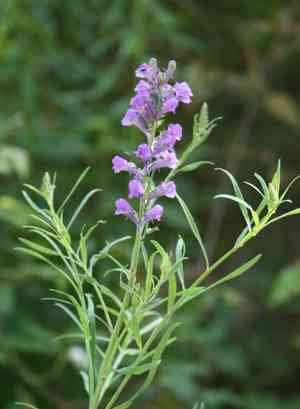
Purple toadflax (Linaria purpurea)
Also known as: Prostrate toadflax
Purple toadflax (Linaria purpurea) is a hardy perennial that typically reaches up to 91 cm in height. It features slender stems adorned with narrow, lance-shaped leaves. During the summer, it produces small, tubular violet flowers reminiscent of snapdragons, which grow along the stem in dense clusters. The plant forms clumps and is known for its ability to self-seed, ensuring a continuous display of flowers each year. For optimal growth, it prefers full sun and thrives in dry to moderately moist, well-drained soil. This makes it a low-maintenance addition to gardens, attracting pollinators like bees and butterflies.
Attributes of Purple toadflax
Images of Purple toadflax
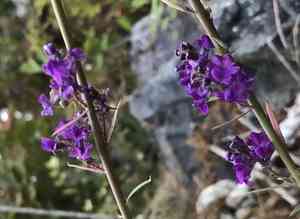
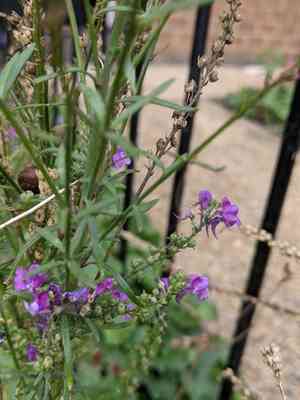
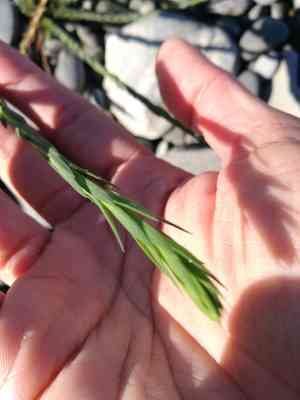
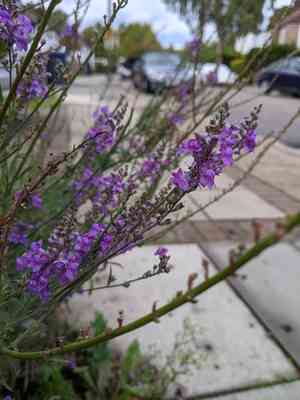
Quickly Identify Purple toadflax
Scientific Classification of Purple toadflax
Planting and Growing of Purple toadflax
 How to Water Purple toadflax?
 What Are the Sunlight Requirements for Purple toadflax?
 What Is the Ideal Temperature Range for Purple toadflax?
 What Soil is Best for Purple toadflax?
 How to Fertilize Purple toadflax?
 How to Prune Purple toadflax?
 How to Propagate Purple toadflax plant?
 How to Repot Purple toadflax plant?
Toxicity of Purple toadflax
Is Purple toadflax toxic to humans?
Purple toadflax is known to have a moderate toxicity level for humans, especially through ingestion. Every part of the plant contains harmful compounds that can result in poisoning. When any portion of purple toadflax is consumed, individuals may endure various symptoms due to the presence of pyrrolizidine alkaloids. These symptoms can encompass gastrointestinal issues, including nausea, vomiting, and diarrhea, along with potential liver damage, which might present as jaundice or discomfort in the liver region. The intensity of symptoms can differ based on the quantity ingested and the individual's sensitivity. Since all parts of purple toadflax are toxic, it is important to exercise caution to avoid accidental ingestion, particularly among children and pets attracted to the plant's appealing appearance.
Is Purple toadflax toxic to cat?
Purple toadflax has a moderate level of toxicity for cats, which can create health hazards if ingested. Cats may accidentally consume parts of this plant, resulting in poisoning. Every part of the purple toadflax is toxic, primarily due to the presence of pyrrolizidine alkaloids, the harmful compound. When a cat consumes purple toadflax, it may show signs of physical discomfort or illness as a result of these alkaloids affecting its body. Therefore, it is crucial for cat owners to keep an eye on their pets and ensure that they do not bite or eat any portion of purple toadflax. Should poisoning occur, owners must promptly seek professional assistance at a veterinary clinic to manage and treat any arising complications.
Is Purple toadflax toxic to dog?
Purple toadflax presents a moderate toxicity risk for dogs. Canines may unknowingly consume various parts of purple toadflax, which can lead to potential poisoning. The entire plant is toxic, indicating that the ingestion of any part—be it leaves, stems, flowers, or seeds—can cause harmful health effects. Dogs that consume purple toadflax might show symptoms like gastrointestinal upset, liver damage, or neurological disturbances due to the presence of pyrrolizidine alkaloids. It is essential for dog owners to vigilantly monitor their pets and restrict their access to purple toadflax. If a dog ingests this plant and shows signs of poisoning, immediate veterinary attention is vital to effectively manage the symptoms and reduce possible health complications.



