How to Prune Purple toadflax?
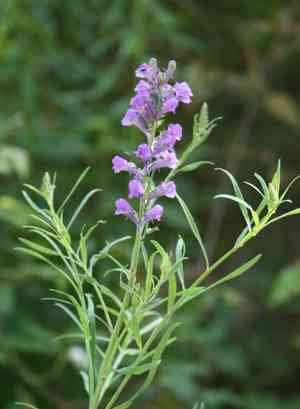
A delicate, vertical perennial, purple toadflax is recognized for its tall clusters of tiny, snapdragon-esque blossoms. Essential trimming entails removing faded blooms to stimulate further flowering and shortening stalks after blooming to preserve its structure. The most effective time for pruning is from late spring through autumn, coinciding with its active development and flowering phases. Advantages of pruning encompass improved plant robustness and extended flowering. Particular attention to preventing excessive pruning is crucial for retaining the inherent shape of purple toadflax.
What Are the Benefits of Pruning Purple Toadflax?
What Are the Benefits of Pruning Purple Toadflax?
Trimming purple toadflax leads to a more abundant flowering period, revitalizes its growth, and helps keep a tidy, desired shape. Strategic cuts can rejuvenate purple toadflax, ensuring it flourishes and displays its vibrant colors effectively.
What Is the Best Time for Pruning Purple Toadflax?
What Is the Best Time for Pruning Purple Toadflax?
Cutting in early spring encourages robust new growth and helps maintain the preferred form of purple toadflax. Pruning immediately after blooming allows gardeners to remove spent flowers of purple toadflax and promote a second bloom while preventing self-seeding, which can cause purple toadflax to become invasive. Pruning in autumn is not advised, as it can stimulate new growth vulnerable to frost. These guidelines ensure the vigorous growth and desired appearance of purple toadflax, while aligning with its natural life cycle.
What Tools Do I Need to Prune Purple Toadflax?
Hand Pruners
For precise shaping and removal of dead or damaged stems, hand pruners offer the necessary control and clean cuts, which benefits the health of purple toadflax.
Gardening Gloves
To safeguard hands from thorns and rough material when pruning purple toadflax, gardening gloves are essential.
Pruning Shears
Ideal for trimming and shaping purple toadflax as they can cut through slender stems smoothly without harming the plant.
Garden Scissors
Useful for deadheading and cutting back faded flower spikes of purple toadflax, to encourage a second bloom.
Pruning Saw
For larger, woodier stems that may occasionally require removal on mature purple toadflax, a pruning saw can simplify the task.
Loppers
When managing a larger clump of purple toadflax, or when stems are too thick for hand pruners, loppers provide the extra leverage needed for clean cuts.
How to Prune Purple Toadflax
Disinfect Tools
Before pruning purple toadflax, sanitize pruning shears or scissors by wiping them with an alcohol wipe to prevent the spread of disease.
Remove Diseased Leaves
Trim off any diseased leaves from purple toadflax to prevent further infection. Make the cuts at the base of the affected leaves, ensuring not to damage nearby healthy foliage.
Cut Withered Leaves
Cut away any withered leaves from purple toadflax to improve air circulation and direct the plant's energy to healthy growth. Snip the leaves at the base where they meet the stem.
Deadhead Flowers
Deadhead withered flowers by snipping them off at the base of the bloom to encourage further flowering and to maintain purple toadflax's aesthetic appearance.
Clean Up
Collect and dispose of all removed material in a compost or trash bin to minimize the risk of disease spreading to healthy parts of purple toadflax or other plants.
Common Pruning Mistakes with Purple Toadflax
Over-Pruning
Pruning more than one-third of purple toadflax's foliage at a time can stress the plant and hinder its growth.
Blunt Tools
Using dull or unclean pruning tools can result in jagged cuts, making purple toadflax more susceptible to disease and pests.
Shearing
Shearing purple toadflax as if it were a hedge may remove too many flower spikes and can promote poor air circulation within the plant, leading to a risk of fungal diseases.
Neglecting Deadheading
Failing to remove spent flowers from purple toadflax can prevent further blooming, as it might start to focus energy on seed production.
Common Pruning Tips for Purple Toadflax
Sharp Tools
Ensure pruning tools are sharp and clean before cutting to promote quick healing and reduce the risk of disease.
Selective Thinning
Remove selected stems of purple toadflax to increase light penetration and air circulation, encouraging a healthier plant structure.
Post-Flowering Cuts
Prune purple toadflax back after its initial bloom to stimulate a second flush of flowers.
Maintenance Pruning
Regularly deadhead purple toadflax throughout the blooming season to promote more blossoms and prevent seeding if self-sown plants are not desired.
Health Assessment
Inspect purple toadflax before pruning to identify any diseased or damaged stems, which should be removed to maintain plant health.



