Optimal Fertilizer for Growing Purple toadflax: What You Need to Know
1
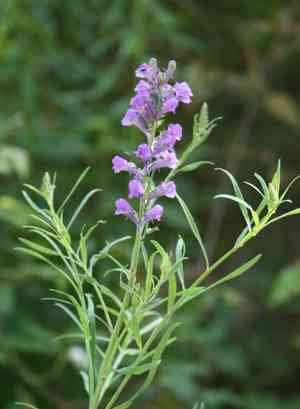
Purple toadflax thrives with a 10-10-10 N-P-K balanced fertilizer, promoting uniform development and vivid flowers.
2
Symptoms of nutrient shortage in Purple toadflax, such as yellow foliage and restricted development, signal a requirement for feeding.
3
Fertilizing Purple toadflax is most effective in early spring to supply vital nutrients as the active growth period commences.
Understanding Purple Toadflax Fertilization Requirements
Why Does Purple Toadflax Require Nutrients?
Like all flora, Purple toadflax needs vital nutrients to flourish. While it can grow in various soil types, providing consistent fertilization ensures it reaches its full visual potential. Fertilizers supply crucial elements like nitrogen, phosphorus, and potassium, which aid in strong root growth, lush foliage, and vibrant blooms. If you desire abundant flowers from your Purple toadflax, comprehending and meeting its nutrient needs is essential.
Recognizing Nutrient Deficiency Signs in Purple Toadflax
Identifying nutrient deficiencies in Purple toadflax is vital for prompt action. Look for yellowing leaves, often indicating a lack of nitrogen. Stunted development and poor flowering may suggest insufficient phosphorus. Additionally, weak stems and overall poor plant health could stem from a potassium deficiency. Monitoring these indicators helps address nutrient needs quickly.
Selecting the Appropriate Fertilizer for Purple Toadflax
Organic vs. Synthetic Fertilizers: Which is Best for Purple Toadflax?
Choosing between organic and synthetic fertilizers depends on your preferences and the plant's requirements. Organic fertilizers, such as compost and manure, improve soil structure and offer a slow release of nutrients. They are eco-friendly and enhance soil vitality. Conversely, synthetic fertilizers provide a more immediate nutrient boost, offering precision in nutrient ratios. For Purple toadflax, a balanced approach might be most effective, combining the advantages of both types.
Essential Nutrients for Purple Toadflax
To ensure Purple toadflax thrives, focus on its primary nutrient demands: Nitrogen (N), Phosphorus (P), and Potassium (K). A balanced fertilizer with a 10-10-10 N-P-K ratio is ideal. Nitrogen promotes leaf growth, phosphorus enhances root development and blooming, and potassium strengthens plant cells and overall vigor. Trace elements like magnesium, calcium, and iron also support the plant's health.
How Frequently to Fertilize Purple Toadflax?
Fertilization Schedule for the Growing Period
Fertilizing Purple toadflax should ideally commence in early spring, as the plant begins its active growth phase. A balanced fertilizer applied every 4-6 weeks during the growing season (spring to mid-summer) can significantly boost growth and flowering. Reducing the frequency towards late summer helps the plant prepare for dormancy. Always adhere to package instructions for optimal outcomes.
Adjusting Fertilization Frequency Based on Plant Condition and Season
Modify the fertilization frequency based on your Purple toadflax's health and state. If you observe signs of nutrient deficiency, consider slightly increasing the frequency. Conversely, if the plant shows signs of over-fertilization, such as burnt leaf tips, reduce the amount or switch to a less potent fertilizer. Seasonal changes also matter; a lighter hand in late summer and winter is advisable.
Correct Fertilizer Application for Purple Toadflax
Techniques for Effective Soil Application
When applying fertilizer to Purple toadflax, spread it evenly around the plant's base, being careful not to concentrate too much near the stems to prevent burning. Water the plant thoroughly after application to help the soil absorb the nutrients. Ensure the soil is slightly damp before applying fertilizer to enhance absorption and minimize the risk of root damage.
Tips for Applying Liquid Fertilizers
For liquid fertilizers, dilute according to the manufacturer's instructions to prevent over-fertilization. Apply the solution uniformly around the base, ensuring it reaches the root zone. Liquid fertilizers are rapidly absorbed, making them a good choice for a quick nutrient boost. Regularly check the plant's response and adjust the concentration and frequency as needed.
Common Errors to Avoid When Fertilizing Purple Toadflax
Over-fertilization and Its Consequences
One of the most frequent errors is over-fertilizing, which can lead to nutrient burn, characterized by scorched leaf edges and stunted growth. Excessive nutrients can accumulate in the soil, disrupting its balance and harming beneficial organisms. Always adhere to recommended dosages and schedules to prevent this issue and maintain soil health.
Ignoring Soil pH and Its Impact on Nutrient Uptake
Neglecting soil pH can hinder nutrient absorption. Purple toadflax prefers a slightly alkaline to neutral pH range (6.0-7.5). Test your soil periodically using a pH kit from a garden center. If the pH is too low (acidic), add lime; if it's too high (alkaline), adjust with sulfur. Correct pH levels ensure your fertilizer is effective and the plant absorbs all necessary nutrients.



