How Much Sunlight Do Purple toadflax Need?
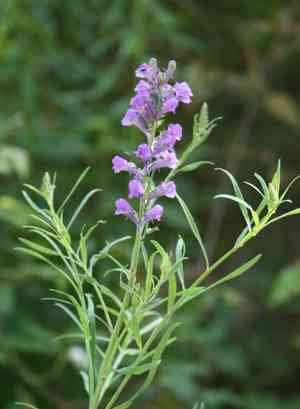
1
Purple toadflax flourishes optimally in bright sunlight, needing a minimum of 6 hours of direct sun daily.
2
Providing sufficient sun exposure aids Purple toadflax in developing vivid blooms and sustaining robust development.
3
While Purple toadflax favors full sun, it can adjust to areas with some shade if required.
Understanding Light Requirements for Purple toadflax
Why Light is Essential for Purple toadflax Development
Purple toadflax thrives in ample light, which is crucial for its growth. Light is vital for its development as it powers photosynthesis, the process where the plant converts light energy into chemical energy. Without sufficient light, Purple toadflax may show stunted growth, fewer flowers, and a pale appearance. Proper light exposure ensures the plant can sustain itself and flourish.
Photosynthesis in Purple toadflax
Photosynthesis is fundamental for Purple toadflax, enabling it to generate the energy needed for growth. During this process, the plant absorbs light through its leaves, transforming it into glucose and oxygen. This glucose acts as food, allowing Purple toadflax to produce strong stems, lush leaves, and beautiful blooms. Ensuring your plant gets enough light is key to maintaining its overall health and vigor.
Determining Optimal Light Exposure for Purple toadflax
How Many Hours of Light is Best?
Purple toadflax grows best with full sun, ideally 6 to 8 hours of direct light daily. This amount of light promotes excellent growth and abundant flower production. If the plant receives too little light, its growth can be significantly hampered, and the quality of its blooms will suffer. Position your Purple toadflax where it can receive ample light for optimal results.
Best Times of Day for Light Exposure
When planning light exposure for Purple toadflax, consider the best times for absorption. Morning light, which is less intense than afternoon sun, is perfect for Purple toadflax as it energizes the plant without scorching. A location that gets morning to early afternoon light will suit your plant well, so observe the sun's path in your garden when planting.
Purple toadflax's Adaptations to Light Conditions
How Purple toadflax Adapts to Various Light Conditions
Purple toadflax is quite adaptable and can grow in different light conditions. While it prefers full sun, it can also tolerate partial shade. In slightly shaded areas, you might notice fewer flowers and slower growth. However, this plant's resilience allows it to survive and gradually adjust to its environment. Balancing light and shade will help you cultivate a healthy plant even in less-than-ideal conditions.
Adjusting to Suboptimal Light Environments
If your garden or balcony lacks abundant light, don't worry. Purple toadflax can still adapt to shadier spots by slowly acclimating. Begin by placing the plant in the shadiest location and gradually move it to brighter areas. This gradual process helps prevent shock and allows the plant to slowly build its tolerance to increased light levels, ensuring continued growth even in less-than-ideal conditions.
Common Light Problems and Solutions for Purple toadflax
Identifying Sunburn and Light Stress Signs
Excessive exposure to intense light can cause sunburn or light stress in Purple toadflax. Symptoms include browning or crispy leaf edges, wilting, and a bleached appearance. Recognizing these early signs allows for quick action to protect your plant from further harm. Proper placement and monitoring can prevent these stress factors.
Mitigating Sunburn and Heat Stress
To reduce the risk of sunburn and heat stress, ensure Purple toadflax remains well-hydrated, especially on hot days. Water in the early morning so the plant can absorb moisture before peak heat. Consider using shade cloth during extreme afternoon sun or moving potted plants to less intense areas. These strategies can significantly protect your Purple toadflax from heat damage.
Addressing Insufficient Light Issues
If Purple toadflax isn't receiving enough light, it may become leggy and show slowed growth. To fix this, gradually move the plant to a sunnier spot, if possible. In confined spaces, consider using grow lights to supplement natural light. Positioning adjustable grow lights about 30 cm (12 inches) above the plant ensures it gets adequate light throughout the day, promoting healthy growth and robust blooms.
Tips for Maximizing Light Exposure for Purple toadflax
Choosing Optimal Planting Locations
When planting Purple toadflax, select spots that receive the most light. South-facing areas, or spaces with minimal obstructions like tall buildings or dense foliage, are ideal. Evaluate the seasonal light patterns in your yard to ensure the chosen spot gets consistent light throughout the growing season. Placing taller plants or structures nearby can also create beneficial microclimates that moderate direct light intensity.
Using Reflective Surfaces to Boost Light
In areas with limited direct light, using reflective surfaces can help enhance light exposure for Purple toadflax. Placing reflective materials like white stones, gravel, or light-colored walls near the planting area can bounce additional light onto the plant. Mirrors or reflective garden decor around the plant can also amplify available light, creating a brighter environment that promotes healthier growth and more vibrant flowers.



