How to Transplant Purple toadflax?
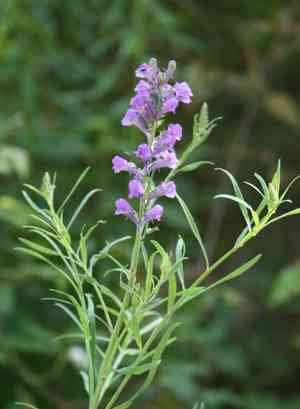
Select the revitalizing period of early to mid-spring for relocating purple toadflax, as this timeframe offers mild conditions conducive to root development. Identify a sun-drenched spot with adequately draining earth to accommodate purple toadflax, facilitating a smooth adjustment.
What Preparations are Needed Before Transplanting Purple Toadflax?
What is the Ideal Time for Transplanting Purple Toadflax?
The optimal period for relocating purple toadflax is typically at the onset of spring or as the soil warms in mid-spring. Moving purple toadflax during this timeframe allows it to develop a strong root system before summer's intense heat. Performing this in milder spring weather ensures your purple toadflax will have sufficient time for recovery and growth, leading to more robust, vibrant displays in subsequent seasons.
How Much Space Should You Leave Between Purple Toadflax Plants?
Planting purple toadflax requires adequate room! Aim to provide each plant approximately 1-2 feet (30-60 cm) of clearance. This is crucial for the plant's growth and development. Remember, proper spacing is essential for a thriving garden.
What is the Best Soil Mix for Purple Toadflax Transplanting?
When getting ready for purple toadflax, you'll want well-drained soil, rich in organic material. A good starting point would be to mix a balanced base fertilizer into the soil before planting. This will supply the necessary nutrients for your plant to flourish.
Where Should You Relocate Your Purple Toadflax?
Regarding placement, purple toadflax enjoys ample light! Select a garden spot that receives full sun to partial shade. Providing good illumination will help your plant grow strong and healthy.
What Equipments Should You Prepare Before Transplantation Purple Toadflax?
Garden Trowel
This is a versatile hand tool you will use to excavate holes for your purple toadflax plant.
Gardening Gloves
To safeguard your hands while handling soil and plants.
Gardening fork
It assists in loosening the soil around the plant, facilitating its removal without root damage.
Shovel or Spade
This will be utilized if the plant is in the ground, ensuring you can dig deep enough to get beneath the root ball.
Watering Can
Essential for hydrating the plant both before and after the transplant.
Organic Mulch
This is applied to help retain soil moisture and reduce weed competition post-planting.
Measuring Tape
To ensure accurate spacing and planting depth for the purple toadflax.
How Do You Remove Purple Toadflax from the Soil?
How Do You Remove Purple Toadflax from the Soil?
From Ground: First, water the purple toadflax plant to moisten the soil. Then, using your gardening fork and spade, dig a wide trench around the plant, ensuring the plant's root ball remains intact. Carefully work the spade under the root ball to lift the plant from its original spot.From Pot: For pot-grown purple toadflax, water it thoroughly a few hours before transplanting. Turn the pot sideways and gently tap it to release the plant. Try to keep as much original soil around the roots as possible. Be careful not to harm the roots during this process.From Seedling Tray: Dampen the seedling tray soil first. To extract the purple toadflax plant, gently press the base of the cell and lift it out. Carefully separate any tangled roots without breaking them.
Step-by-Step Guide for Transplanting Purple Toadflax
Preparation
Prepare your garden by clearing away any debris or weeds. Also, ensure the chosen location is suitable for your plant, adhering to specific light needs and spacing guidelines.
Planting Hole
Dig a hole twice as wide as the root ball of your purple toadflax plant using the trowel or spade. If your soil is heavy clay or drains poorly, dig the hole so the top of the root ball sits 1 to 2 inches above ground level.
Placing the Plant
Position your purple toadflax plant in the hole. Ensure it’s planted at the same depth as in its previous location. Adjust the soil beneath the root ball until its top is level with or slightly above the surrounding soil.
Fill In
Backfill the hole with soil, pressing it down gently. Do not bury the plant deeper than it was growing in its former spot.
Water and Mulch
After transplanting, water the purple toadflax thoroughly and apply a layer of organic mulch around the plant's base to retain soil moisture and inhibit weed growth.
How Do You Care For Purple Toadflax After Transplanting?
Watering
Water the purple toadflax deeply following transplantation. Apply mulch around the plant's base to conserve moisture. Continue consistent watering until the plant is well-established, but be cautious not to overwater.
Monitoring
Observe your transplanted purple toadflax for indications of stress, such as wilting or discolored foliage. If these appear, adjust your watering schedule or consider moving the plant to an alternative location.
Pruning
Trim off any dead or dying leaves or flowers after transplanting to maintain the purple toadflax's health. Also, as purple toadflax can be quite invasive, consider removing spent flower spikes to prevent unwanted seed dispersal.
Feeding
Once the plant is established (in about a month), consider a balanced, slow-release fertilizer. Do not fertilize immediately after planting as it may harm the roots.
Troubleshooting Common Issues with Purple Toadflax Transplantation.
When is the best time to transplant purple toadflax?
The ideal time to transplant purple toadflax is during S1-S2. This will provide the plant with a strong foundation for growth.
What should be the ideal space between purple toadflax seedlings?
For healthy growth, purple toadflax seedlings should ideally be spaced 1-2 feet (30-60 cm) apart.
Should I water purple toadflax immediately after transplanting?
Absolutely! Water purple toadflax thoroughly after transplanting. This helps the soil settle and provides essential hydration to the roots.
I just transplanted purple toadflax, and it looks wilted. What should I do?
Don't worry! Water the purple toadflax generously, and ensure it's receiving adequate sunlight. It should recover after a day or two.
How deep should the hole be when transplanting purple toadflax?
The hole should be deep enough for the root ball to fit comfortably. Typically, around 10 inches (25 cm) should suffice.
Why are the leaves of my transplanted purple toadflax turning yellow?
Yellowing leaves could indicate overwatering or a nutrient deficiency. Ensure you're watering the purple toadflax appropriately and check its nutrient levels.
What type of soil does purple toadflax prefer?
Purple toadflax thrives in well-draining, fertile soil rich in organic matter. Make sure to improve the soil condition before transplanting.
How should I take care of purple toadflax after transplantation?
Provide ample sunlight, water moderately, and regularly inspect for any signs of pests or diseases. If necessary, use organic pest controls.
How often should I water the transplanted purple toadflax?
Purple toadflax prefers moderately moist soil. Unless it's very hot, watering every other day should be sufficient. But adjust as needed.
Can purple toadflax be transplanted in a pot?
Yes, purple toadflax can flourish in containers. Just ensure the pot is large enough and has adequate drainage to prevent waterlogging.



