How to Propagate Purple toadflax?
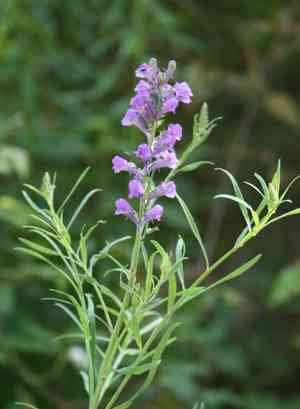
Purple toadflax can be readily multiplied by scattering its seeds directly where they are intended to grow. Sufficient distance should be provided between them to facilitate proper development. Guaranteeing that the soil drains effectively and receives ample sunlight will encourage vigorous growth. Given purple toadflax's reputation for hardiness and its tendency to reseed itself, extra effort might be necessary to control its proliferation. Diligent observation and possibly reducing the number of young plants can help sustain a contained growth pattern within the cultivated area.
What Is the Best Time To Propagate Purple Toadflax?
Propagation Type
Sowing
Propagation Season
Spring
What Tools Are Used in Purple Toadflax Propagation?
Seed trays
Seed trays are vital for initiating purple toadflax seeds indoors, allowing control over environmental factors and efficient management of seedling development. These trays facilitate even seed distribution and ensure adequate space for root growth without competition.
Potting mix
A premium, well-draining potting mix aids purple toadflax seed germination by supplying necessary nutrients and proper air circulation around the roots. A blend that retains moisture yet allows excess water to escape is critical for the delicate germination phase.
Misting bottle
A misting bottle is employed to gently irrigate purple toadflax seeds without dislodging them, a risk with more forceful watering methods. This tool helps maintain optimal moisture levels around the seeds, essential for successful germination.
Heat mat
As purple toadflax may benefit from warmth from below to encourage germination, a heat mat can be utilized to maintain a consistent, suitable soil temperature. This device is particularly effective in colder climates or during cooler times of the year.
Grow lights
Purple toadflax seeds require sufficient light once they sprout. Grow lights offer a controlled light source that can be adjusted to mimic natural sunlight, promoting robust growth in seedlings when natural light is insufficient.
Labeling sticks
Labeling sticks are useful for tracking what has been planted, especially when propagating multiple plant varieties. For purple toadflax, where propagation might involve different strains or planting times, clear labels assist in managing the cultivation process effectively.
How to Propagate Purple Toadflax?
Propagation Type
Easy
How to Care for Your Newly Propagated Purple Toadflax?
How to Care for Your Newly Propagated Purple Toadflax?
Once purple toadflax is established, provide consistent watering during dry spells. These plants are generally tolerant of drought. Remove spent flowers to encourage more blooms and prevent self-seeding if desired. Support taller plants with stakes to prevent wind damage. Apply a balanced fertilizer in early spring for optimal performance.
Common Mistakes to Avoid When Propagating Purple Toadflax
Overwatering cuttings
This can lead to root rot and fungal growth, ultimately killing the delicate new roots of purple toadflax.
Ignoring drainage
Without proper drainage, water can accumulate at the bottom of the container, fostering a harmful environment for purple toadflax's roots.
Cutting too small a section
Insufficient stem or root sections may not contain enough stored energy or nodes, hindering purple toadflax's ability to establish and grow.
Planting deep in the soil
Burying purple toadflax cuttings too deeply can suffocate the emerging roots and shoots, reducing the chance of successful propagation.
Tips For Propagating Purple Toadflax
Use sharp, clean tools
This prevents damage to the parent plant and reduces the risk of infection, promoting healthier cuttings for purple toadflax.
Adequate light but not direct sunlight
Providing bright, indirect light encourages root growth without causing stress or scorching the tender cuttings of purple toadflax.
Moisture control
Maintaining a balance of moisture ensures that the soil is damp but not waterlogged, aiding in the rooting process for purple toadflax.
Rooting hormone
Using a rooting hormone can stimulate root development, increasing the chances of successful propagation for purple toadflax.



