Optimal Soil for Growing Purple toadflax: What You Need to Know
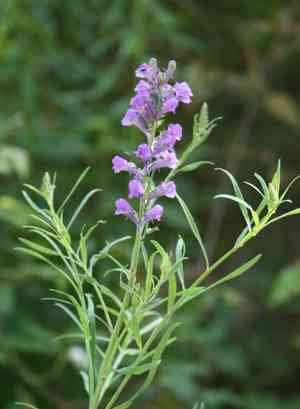
1
Purple toadflax flourishes in soil with a pH range of 6.5 to 7.5, indicating its preference for mildly acidic to neutral environments.
2
Periodically check soil health to maintain ideal nutrient concentrations and amend as needed using organic amendments.
3
Employ a soil blend that drains efficiently to avoid excessive moisture, which can cause root decay in Purple toadflax.
What Soil Type Does Purple Toadflax Prefer?
Well-Draining Substrates
The Purple toadflax flourishes in a substrate that drains effectively. This plant is quite robust and can endure various soil compositions, but it particularly thrives in soils that do not hold excessive moisture. Well-draining soils prevent the plant's roots from sitting in water, which is vital for avoiding root rot. If you observe water accumulating around your Purple toadflax, consider incorporating sand or gravel to enhance the soil's drainage capabilities.
Soil pH Values
Another significant factor to consider is the soil's pH level. Purple toadflax prefers a slightly acidic to neutral pH range, ideally between 6.5 and 7.5. Maintaining the appropriate pH range ensures this flowering plant can efficiently absorb essential nutrients. Regular pH testing can help you stay informed about any necessary adjustments to keep soil conditions optimal.
Nutrient Composition
The nutrient makeup of the soil is also a crucial element. Purple toadflax does not require overly rich soil; however, it benefits from a balanced nutrient profile that includes nitrogen, phosphorus, and potassium. Applying a slow-release granular fertilizer at the beginning of the growing season can supply the necessary nutrients without over-fertilizing the plant.
How to Prepare Soil for Planting Purple Toadflax?
Amending the Substrate
To prepare your soil for planting Purple toadflax, consider enriching it with organic materials like compost or aged manure. These additions improve soil structure, boost drainage, and increase nutrient availability. Incorporate the organic matter into the top 6-8 inches (15-20 cm) of soil to create a rich and fertile bed for your plants.
Ensuring Substrate Drainage
Proper soil drainage is crucial to prevent waterlogging, which can harm Purple toadflax. To achieve this, you can mix coarse sand or perlite into the soil. Additionally, ensure the planting location is slightly elevated or on a slope to facilitate natural water runoff.
pH Testing and Adjustments
Testing your soil's pH is a simple process that can be done using a basic soil test kit. If the pH level falls outside the optimal range (6.5 to 7.5), you can make corrections. For overly acidic soils, consider adding lime to increase the pH. Conversely, if the soil is too alkaline, sulfur or peat moss can help lower the pH. Always follow product instructions carefully to avoid over-amending.
Common Soil Issues with Purple Toadflax
Inadequate Drainage
Poor drainage can be a serious problem for Purple toadflax, leading to root rot and other health issues. To resolve this, ensure your garden soil is well-draining by incorporating materials such as sand or gravel. Raised beds or mounded planting areas can also help alleviate drainage problems.
Nutrient Deficiencies
Nutrient deficiencies can manifest as yellowing leaves, stunted growth, and poor flowering. Regularly monitor your soil's nutrient levels and amend as needed with balanced fertilizers. Organic options like compost or organic liquid fertilizers can provide a steady supply of nutrients without the risk of over-fertilization.
Soil Acidity Levels
Maintaining the correct pH level is vital for the health of Purple toadflax. Regularly test your soil's pH and make adjustments as necessary. If you notice signs of pH imbalance, such as discoloration or poor growth, take immediate corrective action to bring the pH to the optimal range of 6.5 to 7.5.
Can Purple Toadflax Grow in Pots?
Choosing the Right Potting Mix
Purple toadflax can indeed flourish in containers, provided the correct potting mix is utilized. Opt for a well-draining potting mix that includes organic matter such as peat, compost, perlite, or vermiculite. This ensures the soil retains sufficient moisture while allowing excess water to drain away.
Proper Container Drainage
Selecting the appropriate container is essential for successfully growing Purple toadflax. Ensure the container has drainage holes to prevent waterlogging. You can also add a layer of gravel or broken pottery pieces at the bottom of the container to enhance drainage.
Monitoring Substrate Conditions
When cultivating Purple toadflax in containers, it's crucial to regularly monitor soil conditions. Container plants can dry out more quickly than those in the ground, so keep a close watch on soil moisture levels. Additionally, be vigilant for signs of nutrient deficiency or pH imbalance, and adjust as needed with appropriate fertilization and pH amendments.



