How Often Should You Water Your Blue echeveria?
1
Moisten your Blue echeveria bi-weekly, adapting based on its surroundings and requirements.
2
Excessive watering manifests as yellow foliage and root decay; insufficient watering causes shriveled leaves.
3
Employ tepid, purified water to prevent mineral accumulation from municipal water sources.
Grasping the Hydration Requirements of Blue Echeveria
Standard Moisture Needs
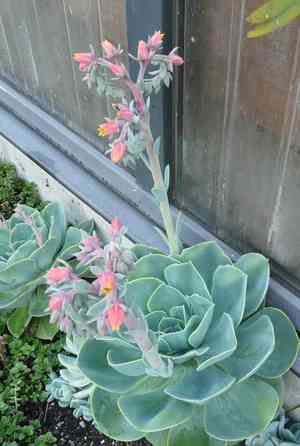
Blue echeveria, admired for its lovely rosette shape and powdery blue foliage, is a favored choice among succulent lovers. Like most succulents, this plant tolerates dry conditions and needs less water than many other indoor plants. Typically, you should irrigate your Blue echeveria every two weeks. This frequency might change based on the plant's surroundings, such as temperature, humidity, and light. The aim is to let the soil completely dry out between waterings.
Indicators of Excessive and Insufficient Watering
Recognizing the signs of overwatering and underwatering is vital for maintaining a thriving Blue echeveria. Too much water often leads to root decay, yellowing leaves, and a soft, mushy texture. Conversely, too little water can cause the leaves to wrinkle and become brittle. By observing these indicators, you can modify your watering habits accordingly, ensuring your Blue echeveria flourishes.
Optimal Watering Practices for Blue Echeveria
When to Hydrate: Seasonal Changes
Your Blue echeveria's watering demands shift with the seasons. During its active growth phase, typically spring and summer, the plant might need more frequent watering, roughly every 1-2 weeks. In its dormant period, usually fall and winter, water the plant less often, about once a month. Always check the soil before watering; if it's dry to a depth of 2-3 centimeters (around 1 inch), it's time to water.
How to Hydrate: Techniques for Proper Moisture
To water your Blue echeveria effectively, employ the 'soak and dry' method. This approach involves thoroughly saturating the soil until water drains from the pot's bottom, then allowing the soil to completely dry before the next watering. Avoid getting water on the leaves, as this can lead to rot. Using a watering can with a narrow spout can help direct water to the soil without splashing onto the foliage.
Common Errors to Avoid When Watering Blue Echeveria
Using the Incorrect Water Type
The kind of water you use can affect your Blue echeveria's health. Tap water often contains minerals and chemicals that can accumulate in the soil and harm the plant over time. It's best to use distilled or rainwater, which lacks these additives. Water at room temperature, around 20-22°C (68-72°F), is ideal, as extremely hot or cold water can shock the plant.
Improper Watering Schedule
Watering your Blue echeveria too often or not enough are frequent mistakes. It's crucial to follow a consistent routine but remain adaptable based on your plant's requirements. Every two weeks is a good general guideline, but always observe the plant and the soil to determine if adjustments are necessary. Factors like indoor heating, air conditioning, and seasonal shifts can influence how quickly the soil dries out.
FAQs: Hydrating Your Blue Echeveria
How do I know if my Blue echeveria requires water?
To ascertain if your Blue echeveria needs water, assess the soil moisture. Insert your finger about 2-3 centimeters (1 inch) into the soil. If it feels dry, it's time to water. Additionally, observe the leaves: if they begin to appear shriveled or feel less firm, the plant likely needs hydration.
Can I use tap water for my Blue echeveria?
While it's possible to use tap water for your Blue echeveria, it's not optimal due to the potential for mineral and chemical build-up. If you must use tap water, let it sit out for 24 hours to allow chlorine and other chemicals to dissipate. However, distilled or rainwater remains the superior choice for ensuring your plant stays healthy.



