How to Transplant Blue echeveria?
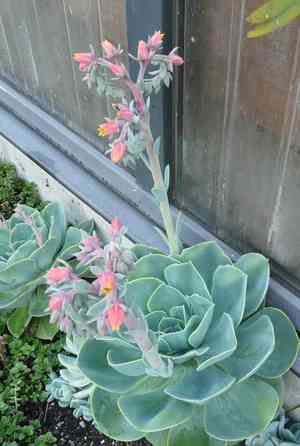
The ideal period for relocating blue echeveria is between early and mid-spring, when the plant emerges from its dormant state and begins vigorous development. Select a site with good drainage and ample sun exposure. Careful handling of the root system will optimize the successful transplantation of these attractive perennial plants.
What Preparations are Needed Before Transplanting Blue Echeveria?
What is the Ideal Time for Transplanting Blue Echeveria?
The optimal period to move your blue echeveria is from early to mid-spring. This timeframe provides an excellent growth setting, allowing the plant ample chance to establish its root system before warmer weather arrives. Relocating blue echeveria during this season enables it to benefit from spring's full growth. Choosing this time for transplanting will result in a robust, thriving blue echeveria in your home.
How Much Space Should You Leave Between Blue Echeveria Plants?
When transplanting your blue echeveria, maintain a distance of 6-12 inches (15-30 cm) between each specimen. This ensures adequate room for growth and development without overcrowding.
What is the Best Soil Mix for Blue Echeveria Transplanting?
To establish a strong base for your blue echeveria, utilize a well-draining soil blend composed of equal parts soil, perlite, and coarse sand. Integrate a slow-release balanced fertilizer into the soil to provide your plants with an appropriate nutrient boost.
Where Should You Relocate Your Blue Echeveria?
For optimal development, locate a spot where your blue echeveria will receive bright, indirect sunlight. Shield them from intense direct sun, especially during midday, as this can cause leaf burn and dehydration.
What Equipments Should You Prepare Before Transplantation Blue Echeveria?
Gardening gloves
To safeguard your hands when handling soil, stones, and roots.
Spade
For excavating holes for the blue echeveria plant and for carefully extracting the plant, particularly from the ground.
Hand trowel
For creating an opening in the potting mix when moving to a larger container or directly into the earth.
Gardening fork
To gently loosen the roots when removing blue echeveria from its original pot or location.
Watering can
To hydrate your blue echeveria plant following transplantation.
Mulch
To retain moisture and enhance soil conditions around the blue echeveria plant.
Garden pruners
For trimming any withered or diseased foliage or roots.
Measuring tape
To ensure you're providing the blue echeveria plant sufficient room for growth when planting.
How Do You Remove Blue Echeveria from the Soil?
How Do You Remove Blue Echeveria from the Soil?
From Ground: Initially, drench the soil surrounding your blue echeveria to soften the area. Afterward, begin extraction with a spade, keeping a safe distance from the plant's base to avoid root damage. Slowly dig around the plant until you feel the roots detach from the soil, then gently lift the plant from the ground.From Pot: Water your blue echeveria thoroughly and let it sit for a few minutes. Then, tilt the pot sideways while carefully easing out the plant. Use a gardening fork to gently loosen the root area if needed.From Seedling Tray: First, water the tray to facilitate easier seedling removal. Gently hold the blue echeveria by its leaf, avoiding pulling, and use a trowel or fork to lift the seedling out of the cell or container.
Step-by-Step Guide for Transplanting Blue Echeveria
Preparation
Clean and ready your chosen transplant site or container. Ensure it has proper drainage.
Dig Hole
Use your spade or trowel to excavate a hole large enough to accommodate the plant's root system. The hole should be twice the width of the blue echeveria's root ball and equally deep.
Plant Placement
Position the blue echeveria in the hole, making sure the top of the root ball is level with the surrounding soil.
Soil Backfill
Refill the hole with the excavated soil, gently patting it around the roots to prevent air pockets without compacting it too tightly.
Water Immediately
Once planted, thoroughly water your blue echeveria, ensuring the water reaches the root zone. This also aids in settling the soil around the roots.
How Do You Care For Blue Echeveria After Transplanting?
Consistent Care
For the initial weeks following transplantation, closely monitor your blue echeveria. If the leaves start to droop, you might need to provide a bit more water, but be cautious not to overwater as soggy conditions can lead to root rot.
Trimming
Utilize garden pruners to remove any leaves or stems that begin to brown or perish. This allows the plant to redirect energy to new growth.
Mulching
Apply an appropriate mulch around your blue echeveria to conserve moisture, suppress weeds, and regulate soil temperature. It also enriches the soil with nutrients as it breaks down.
Slow Fertilizer
Begin light fertilization approximately one month after transplanting, giving the blue echeveria plant time to adapt to its new location before encouraging growth.
Troubleshooting Common Issues with Blue Echeveria Transplantation.
When's the optimal time of the year to transplant blue echeveria?
The best time to transplant blue echeveria is in early to mid-spring, promoting a period of healthy growth.
What's the best way to prevent transplant shock in blue echeveria?
Water blue echeveria before transplanting and avoid excessive root disturbance during the process. This helps reduce transplant shock.
How much space do I allot each blue echeveria while transplanting?
For each blue echeveria, maintain a spacing of 6-12 inches (15-30 cm) to allow for adequate growth and proper air circulation.
What should be the depth of the planting hole for blue echeveria?
The planting hole should accommodate the root ball's size of blue echeveria. Plant it at the same depth as it was in its original pot.
What kind of soil is best for transplanting blue echeveria?
Blue echeveria thrives best in fast-draining soil. Mix regular potting soil with perlite or sand to enhance drainage.
How to water blue echeveria post-transplant?
Water blue echeveria immediately after transplanting. Once established, remember, blue echeveria prefers dry soil between watering sessions.
How long should I wait to water blue echeveria after transplanting?
Watering should occur immediately after transplanting blue echeveria to ensure the plant settles effectively.
Should I fertilize blue echeveria after transplanting?
Yes, but allow a couple of weeks post-transplant for blue echeveria to acclimate, then use a balanced, slow-release fertilizer.
How much sunlight does blue echeveria need after transplanting?
Blue echeveria flourishes in bright light conditions. Ensure it receives several hours of sun exposure daily after transplanting.
Does transplanting blue echeveria affect its blooming?
Transplanting might temporarily interrupt the bloom cycle of blue echeveria. The plant should resume normal flowering once it has settled into its new environment.



