Boost Growth: How and When to Repot Your Blue echeveria Plant
1
Transplanting is ideally performed in spring or during the winter season.
2
Echeveria 'Blue' thrives in soil that drains effectively.
3
Select a container approximately 2.5 cm (1 inch) wider than its present one.
Why Replant Blue Echeveria?
Understanding the growth habits of Blue Echeveria
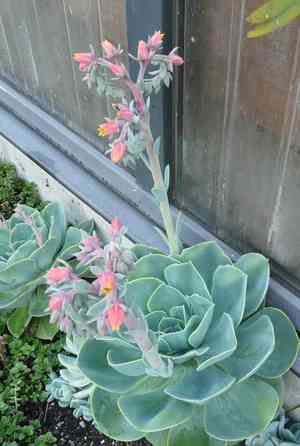
The Blue Echeveria is a striking succulent recognized for its rosette of blue-green foliage. It grows steadily and can become pot-bound over time. As the plant matures, it may outgrow its container, making replanting a vital part of its maintenance routine.
Indicators your Blue Echeveria requires a new container
There are clear signs your succulent is ready for a new pot. These include roots emerging from drainage holes, stunted development, or soil that dries out too quickly. If your Blue Echeveria becomes top-heavy or its leaves yellow, these also suggest it needs more room.
Advantages of timely replanting
Replanting your Blue Echeveria not only provides more room for growth but also allows you to refresh the soil, ensuring it has essential nutrients. This process helps prevent root rot and other issues from waterlogged soil, ultimately fostering a healthier, more vibrant plant.
Choosing the Right Pot and Growing Medium
Selecting the appropriate size and material for the container
When choosing a new pot for your Blue Echeveria, select one approximately 2.5 cm (1 inch) larger in diameter than its current pot. The new container should have good drainage to prevent water accumulation. Terracotta pots are excellent as they allow better airflow around the roots.
Essential soil blend for Blue Echeveria
The ideal soil for Blue Echeveria drains well to prevent root rot. A succulent-specific mix, typically containing sand, perlite, and potting soil, is perfect. Avoid garden soil as it can retain too much moisture.
Additional planting accessories
Consider using accessories like a layer of gravel at the pot's bottom to improve drainage. You might also want a small watering can for precise irrigation and gardening gloves to protect your hands during replanting.
Steps to Replant Your Blue Echeveria
Preparing your workspace and gathering tools
Set up your area by spreading newspapers or a gardening mat. Gather all necessary items including the new pot, succulent soil mix, gloves, and a small trowel. Having everything accessible will streamline the replanting process.
Gently removing the plant from its current container
Invert the current pot while supporting the plant with your hand. Tap the pot's bottom to loosen the soil and carefully pull the plant out. Be cautious not to harm the roots during this step.
Inspecting and trimming roots if necessary
Once your Blue Echeveria is out of its pot, examine the roots. Trim any dead or decaying ones with clean, sharp scissors. If significant cuts were made, let the plant sit out of the soil for a few hours to prevent rot.
Positioning Blue Echeveria in the new pot and adding soil
Place a small amount of soil at the bottom of the new pot. Center your plant and fill around it with the succulent mix. Lightly press the soil down to secure the plant, but avoid over-compacting it as succulents prefer loose soil.
Aftercare: Watering and placing in an optimal location
After replanting, water your Blue Echeveria sparingly. Place it in a spot receiving bright, indirect sunlight. Avoid direct sun for a few days to allow the plant to acclimate to its new surroundings.
Addressing Common Replanting Issues
Managing root rot or pests during replanting
If you find signs of root rot or pests like mealybugs during replanting, it's vital to act immediately. Remove all affected roots, and consider treating the plant with a fungicide or insecticide designed for succulents.
Tips to prevent damage to your Blue Echeveria during the process
Handle your plant gently during replanting. Support its base and avoid pulling on the leaves, as they can be delicate and prone to breaking. Wearing gloves can provide a better grip and reduce injury risk to both you and the plant.
Adjusting post-replanting care to ensure stability
After replanting, closely observe the plant for the first few weeks. Ensure it isn't overwatered and gradually adjust its light conditions. This adaptation period is crucial for the Blue Echeveria to establish itself in its new pot.



