How Much Sunlight Do Blue echeveria Need?
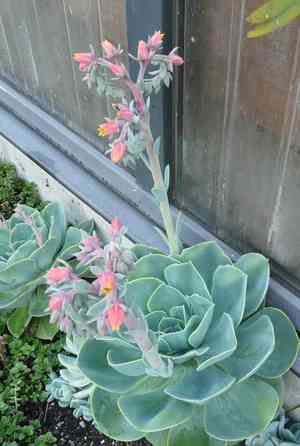
1
Blue echeveria flourishes optimally with 6 to 8 hours of daily sun exposure.
2
It can endure some shade, particularly during the hottest parts of summer.
3
For indoor Blue echeveria, position it near a south or west-facing window to ensure maximum illumination.
Optimal Illumination Requirements for Blue Echeveria
Direct Sun Exposure
Regarding light, the Blue Echeveria thrives in bright conditions. This succulent ideally requires a minimum of 6 to 8 hours of direct sunlight daily. Positioning your Blue Echeveria where it receives ample sun will foster a compact shape and vivid coloration, particularly its striking blue-green foliage with pink undertones.
Tolerance for Partial Shade
Blue Echeveria can endure some partial shade, especially during the intense midday and afternoon heat of summer. However, it's vital to observe the plant for any signs of etiolation, which indicates insufficient light. A few hours of shade during the day's hottest period can help prevent leaf scorch.
Indoor Lighting Demands
For indoor cultivation of Blue Echeveria, placing the plant near a south or west-facing window is essential. These locations typically offer the most consistent illumination. If natural light is scarce, consider supplementing with a grow light to ensure your Echeveria receives adequate light for healthy development.
Proper Placement for Blue Echeveria to Maximize Sunlight
Outdoor Positioning Strategies
When situating your Blue Echeveria outdoors, selecting an area that gets morning sun and offers some relief from strong afternoon rays can be advantageous. A sunny spot on your patio or in your garden can be effective, but always be ready to provide shade during peak sun hours.
Indoor Placement Recommendations
Indoors, the key is to position your Blue Echeveria as close to a window as feasible. South or west-facing windows are most effective due to their reliable light profiles. Rotating the plant every couple of weeks can also help ensure all sides receive sufficient sunlight, preventing uneven development.
Indicators Your Blue Echeveria Needs More or Less Light
Symptoms of Insufficient Light
If your Blue Echeveria isn't getting enough light, you might observe the plant becoming elongated or 'leggy,' as it stretches toward the light source. Its color may also become duller, and the leaves might appear more widely spaced. These are clear signals that your plant requires more illumination.
Signs of Sunburn or Excessive Light
Conversely, too much light can cause sunburn on the leaves, manifesting as brown, crispy edges, or spots on the plant. If you notice these symptoms, it's crucial to relocate your Blue Echeveria to a spot with less direct intensity, or offer some shade during the day.
Seasonal Light Adjustments for Blue Echeveria
Summer Light Modifications
During summer, the increased intensity and duration of daylight can be both beneficial and challenging for your Blue Echeveria. Ensure you gradually acclimate the plant to strong sunlight and provide partial shade during the hottest hours. This will help prevent sunburn.
Winter Light Modifications
In winter, natural light availability decreases, which can impact your Blue Echeveria. Moving your plant closer to windows or utilizing grow lights can compensate for the reduced natural light. Maintaining your succulent's health during colder months often demands closer attention to its light requirements.
Frequently Asked Questions About Blue Echeveria Sunlight Needs
Can Blue Echeveria Thrive Under Artificial Light?
Yes, Blue Echeveria can flourish under artificial light, especially if grown indoors with limited natural light. Full-spectrum grow lights mimic sunlight and can be used to ensure your succulent receives the necessary illumination. Ensure the grow light operates for at least 12-14 hours daily to simulate natural conditions.
Daily Sunlight Exposure Duration for Blue Echeveria?
Blue Echeveria should ideally be exposed to 6 to 8 hours of sunlight each day. If your plant is indoors, supplementing with artificial light can help meet this requirement. Remember that consistency is vital, so strive to maintain a steady light schedule to promote robust growth.



