Optimal Soil for Growing Blue echeveria: What You Need to Know
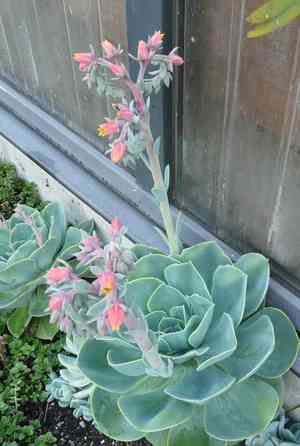
1
Blue echeveria flourishes in soil that drains effectively, preventing root decay.
2
Refrain from utilizing soils rich in organic material, as these tend to hold too much water.
3
Fun fact: Incorporating perlite or pumice into your soil blend can greatly enhance air circulation and water runoff.
Optimal Soil Characteristics for Blue Echeveria
Drainage
For Blue echeveria, effective water runoff is vital. These succulents thrive in dry conditions and can easily suffer from root decay if their substrate remains saturated. Ensuring rapid soil drainage helps prevent standing water and potential fungal problems. It's best to use pots with drainage holes and well-draining soils that allow excess water to exit freely.
Soil Texture
The texture of the substrate for Blue echeveria should be coarse and loose. Ideal soil types include sandy or rocky compositions that mimic the plant's natural environment. A gritty texture promotes good air circulation around the roots, which is essential for the plant's vitality. Mixing sand, perlite, or pumice with standard potting soil can achieve the desired consistency.
Soil pH
The ideal soil pH for Blue echeveria ranges from 6 to 7.5, which is slightly acidic to neutral. This pH level supports nutrient absorption and overall plant health. It's advisable to periodically check the soil pH with a home testing kit to ensure it stays within this range.
Nutrient Content
Blue echeveria does not require nutrient-rich substrates. In fact, soils high in organic matter can retain too much moisture. Aim for a balanced but lean soil blend. Fertilize sparingly with a low-nitrogen fertilizer during the growing season to encourage healthy foliage without risking excessive growth that can lead to plant stress.
Best Soil Mix for Blue Echeveria
Commercial Cactus/Succulent Mix
For those who prefer convenience, a pre-made cactus or succulent mix is a suitable option for Blue echeveria. These blends are specifically formulated to provide the correct drainage and texture. They often contain components like sand, perlite, and peat moss to create an ideal growing environment for succulents.
DIY Soil Mix
Crafting your own soil mix can be rewarding and allows for customization based on your plant's requirements. A homemade mix might include one-third coarse sand or perlite, one-third potting soil, and one-third pumice or gravel. This combination ensures excellent drainage and prevents soil compaction.
Components to Include
When preparing your own mix or modifying a store-bought one, certain elements are particularly beneficial for Blue echeveria. These include: Perlite or pumice: Enhances aeration and drainage. Coarse sand: Improves soil texture and aids in water runoff. Small gravel: Prevents soil compaction. Incorporating these materials can help replicate the arid, rocky conditions Blue echeveria prefers.
Components to Avoid
Some soil components can be harmful to Blue echeveria. Steer clear of the following: Clay: Retains excessive moisture and can lead to root rot. Organic matter (e.g., compost, peat): While beneficial for many plants, it holds water, which is not suitable for succulents. Vermiculite: Unlike perlite, vermiculite retains moisture, which can be detrimental to succulents.
Common Issues with Blue Echeveria Soil
Overwatering
Excessive watering is a primary concern for Blue echeveria. These plants store water in their leaves and do not need frequent irrigation. Soil that remains too damp can cause root decay. To prevent this, allow the soil to completely dry out between waterings, and always ensure proper drainage.
Compaction
Soil compaction restricts root development and reduces air circulation. This can stress Blue echeveria and make it more vulnerable to diseases. To avoid compaction, use a gritty soil mix and refrain from pressing the soil too firmly when potting. Repotting the plant every couple of years can also help maintain soil health.
Nutrient Deficiencies
While Blue echeveria doesn't demand nutrient-rich soil, variations in nutrient availability can still impact its growth. Yellowing leaves may signal a lack of essential nutrients. To address this, apply a balanced, diluted succulent fertilizer during the growing season. Avoid over-fertilizing, which can lead to other problems.
How to Properly Repot Blue Echeveria with Fresh Soil
Choosing the Right Pot
Select a container with drainage holes, as these are essential for Blue echeveria. Terracotta pots are an excellent choice because they are porous and allow excess moisture to evaporate. Ensure the pot is not too large, as this can lead to overwatering. A snug fit promotes optimal growth.
Steps to Repotting
Repotting your Blue echeveria is straightforward: Gently remove the plant from its current container. Shake off old soil from the roots. Place a layer of gravel at the bottom of the new pot for enhanced drainage. Fill partway with your soil mix. Position the plant in the center and fill around it with more soil, lightly pressing down to secure it. Let the plant rest for a few days before watering to allow it to acclimate.
Post-Repotting Care
After repotting, give your Blue echeveria some time to adjust to its new surroundings. Avoid watering it immediately to reduce the risk of root rot. Place it in indirect sunlight and gradually increase light exposure over a week. Monitor the plant for any signs of stress, adjusting care as needed.



