How to Overwinter Blue echeveria
1
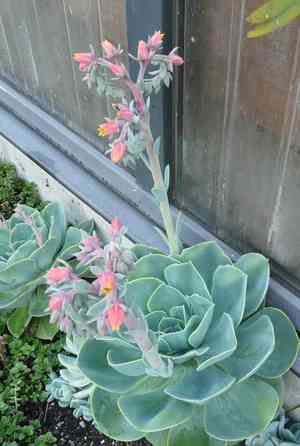
A Blue echeveria is a semi-hardy succulent that requires particular attention in colder months.
2
Relocate Blue echeveria inside for winter if outside temperatures drop below 10°C (50°F).
3
Thorough pest examination and trimming are essential prior to moving your Blue echeveria indoors.
Why Does Blue echeveria Need Overwintering?
Why Does Blue echeveria Need Overwintering?
The Blue echeveria is a beautiful and popular succulent known for its rosette-shaped leaves and stunning blue-green hue. Although it's relatively low-maintenance, it's essential to overwinter this plant properly, especially if you live in a region where winter temperatures can be harsh. Being half-hardy, the Blue echeveria can only tolerate mild frost, typically down to about -1°C (30°F). Beyond this point, exposure to cold can damage the plant, leading to brown, mushy leaves or even plant death. Overwintering involves preparing and relocating your Blue echeveria to an environment where it can survive the colder months and be ready for robust growth come spring.
Preparing Your Blue echeveria for Winter
Inspecting for Pests and Diseases
Before bringing your Blue echeveria indoors for the winter, it is crucial to inspect it for pests and diseases. Common pests include mealybugs, aphids, and spider mites. Use a magnifying glass to check under leaves and in crevices. If any infestation is detected, treat the plant with insecticidal soap or neem oil. It's essential to ensure your plant is pest-free to prevent any potential spread to other indoor plants.
Proper Pruning Techniques
Pruning your Blue echeveria helps maintain its shape and encourages healthy growth. Remove any dead, wilted, or damaged leaves using sterilized scissors or pruning shears. Make clean cuts to avoid causing unnecessary stress to the plant. This not only tidies up the appearance but also reduces the chances of pests and diseases thriving in debris left on the plant.
Soil and Pot Considerations
Select a well-draining soil mix, preferably one designed for cacti and succulents. Ensuring good drainage is paramount as Blue echeveria is susceptible to root rot if left in waterlogged conditions. If your pot does not have drainage holes, consider repotting into one that does. A terra cotta pot is ideal as it allows for better air circulation, aiding in moisture control.
Indoor Overwintering Tips for Blue echeveria
Ideal Light Conditions
Place your Blue echeveria in a location where it can receive plenty of bright, indirect sunlight. If natural light is insufficient, consider supplementing with a grow light. Aim for about six hours of light each day to keep your succulent healthy and vibrant throughout winter.
Regulating Temperature and Humidity
Maintain indoor temperatures between 15°C to 21°C (59°F to 70°F). Avoid placing your Blue echeveria near drafts, heaters, or cold windowsills. While succulents like low humidity, the ambient humidity inside homes should be moderate. If the air is too dry, consider using a humidity tray or placing a bowl of water nearby to maintain adequate humidity levels.
Watering Schedule
During winter, the Blue echeveria enters a dormancy phase, meaning it requires less water. Allow the soil to dry out completely between waterings. Typically, watering once every 2-4 weeks is sufficient. Be cautious not to overwater, as the excess moisture can lead to root rot.



