How to Propagate Blue echeveria?
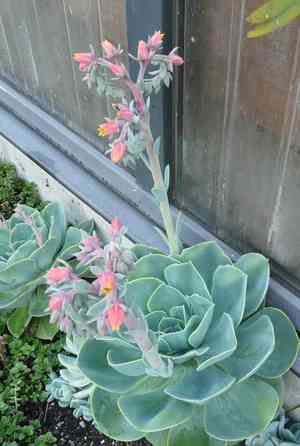
Blue echeveria multiplies most effectively via cuttings throughout the spring and summer seasons. This propagation method is quite straightforward, with indicators of success encompassing the emergence of new roots and discernible buds. Guarantee appropriate nurturing by supplying a growing medium that drains efficiently and sufficient exposure to light.
What Is the Best Time To Propagate Blue Echeveria?
Propagation Type
Cutting
Propagation Season
Spring, Summer
What Tools Are Used in Blue Echeveria Propagation?
Sharp, clean scissors or pruning shears
These implements are vital for taking cuttings from blue echeveria in a way that ensures precise cuts without harming the parent plant. A clean cut helps prevent infection and promotes faster healing and rooting.
Sterile potting mix or cactus mix
Echeveria secunda needs well-draining substrate to avoid root rot. This specialized blend provides the correct balance of air and moisture required for blue echeveria's cuttings to establish healthy roots.
Small pots or propagation trays
They offer an ideal setting for placing the blue echeveria's cuttings, ensuring each cutting has ample room to grow roots without competition.
Rooting hormone (optional)
Though not always essential, rooting hormone can stimulate quicker root development for blue echeveria's cuttings, boosting the propagation success rate.
Plastic wrap or humidity dome
A humidity dome or covering can be placed over the cuttings of blue echeveria to maintain consistent moisture levels, which aids in encouraging root development without overwatering.
Tweezers or a dibber
These instruments are useful for handling small or delicate blue echeveria cuttings and placing them into the propagation medium without damage or undue stress to the plant tissue.
Watering can with a fine rose or spray bottle
Ensuring that blue echeveria's cuttings receive gentle irrigation is crucial. These tools allow for soft and even water distribution, preventing soil erosion and avoiding disturbance to developing roots.
How to Propagate Blue Echeveria?
Propagation Type
Cutting
Difficulty Level
Easy
How to Care for Your Newly Propagated Blue Echeveria?
How to Care for Your Newly Propagated Blue Echeveria?
Post-propagation, continue to provide the new blue echeveria plants with warm temperatures, bright, indirect illumination, and minimal watering, allowing the soil to dry between waterings. Gradually introduce the new plants to more direct sunlight. Once established, treat them as mature blue echeveria by providing moderate watering during the active growth period and reduced watering in colder months. Repot as needed to accommodate growth, using a well-draining soil mix, and fertilize with a diluted succulent feed during the active growing season.
Common Mistakes to Avoid When Propagating Blue Echeveria
Overwatering
Attempting to propagate blue echeveria in excessively damp or waterlogged conditions can lead to decay, especially at the cut ends of leaves or stems where they are most susceptible.
Using diseased or weak cuttings
Selecting unhealthy leaves or stem cuttings from blue echeveria can result in failed propagation as they lack the vitality needed for root and new plant development.
Deep planting
Burying leaves or cuttings of blue echeveria too deeply in the soil can cause them to rot before they can root, as this plant species prefers light contact with the substrate for propagation.
Poor lighting
Propagating blue echeveria in insufficient light can lead to leggy, weak growth, as blue echeveria requires bright, indirect light to develop strong roots and foliage.
Ignoring cleanliness
Using unclean tools or containers can introduce pathogens to blue echeveria, making sterility during propagation vital to prevent disease.
Tips For Propagating Blue Echeveria
Proper leaf selection
Choosing plump, healthy leaves from blue echeveria for leaf propagation ensures a higher chance of successful rooting and plantlet formation.
Surface laying
Placing the leaves or cuttings of blue echeveria on top of well-draining soil rather than burying them promotes better rooting and minimizes rot.
Optimal humidity
Maintaining moderate humidity around blue echeveria cuttings can support improved root growth without the excessive moisture that causes rot.
Indirect light
Blue echeveria thrives and propagates well under bright, but not direct, sunlight. This ensures the development of sturdy plants.
Sanitation
Using clean tools and containers when propagating blue echeveria helps prevent infections and increases the success rate of propagation.



