How Often Should You Water Your Chinese yam?
1
Hydrate your Chinese yam bi-weekly throughout its active growth phase for peak vitality.
2
Prior to irrigating, always assess the soil dampness – the upper 2-3 cm (1 inch) ought to be parched.
3
Lessen irrigation during its inactive period to avoid root decay.
Deciphering Chinese Yam Hydration Needs
Recognizing Adequate Hydration Signs
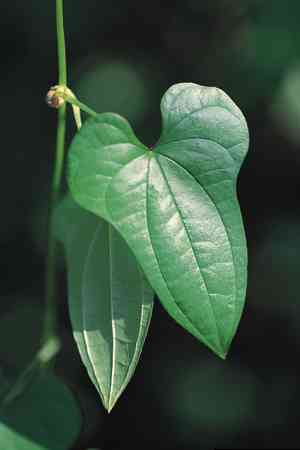
Flourishing Chinese yam plants display vibrant, green leaves and strong development. When sufficiently hydrated, their leaves remain firm and the plant shows steady growth. To confirm proper water intake, assess the soil's dampness by touching the top few centimeters (approximately 1 inch) – it should feel slightly moist, not saturated.
Consequences of Excessive Watering
Providing too much water to Chinese yam can trigger root decay, a severe issue where roots become dark and soft. Symptoms of overwatering include yellowing foliage, wilting despite wet soil, and an unpleasant odor from the soil. To avert this, ensure good soil drainage and refrain from watering if the soil is still damp.
Consequences of Insufficient Watering
Underwatering Chinese yam will cause leaves to droop, curl, and become brittle. Growth might slow, and the foliage could brown at the tips or edges. To revive a dehydrated plant, gradually increase watering frequency, keeping the soil consistently moist but not drenched.
Optimal Practices for Watering Chinese Yam
Seasonal Watering Modifications
During the active growth period (spring and summer), hydrate Chinese yam twice weekly to support its vigorous development. In cooler months (fall and winter), reduce watering to every 10-14 days, as the plant's growth diminishes and it requires less moisture. Always adjust based on ambient humidity and indoor temperatures.
Soil Moisture Management Techniques
Maintain soil hydration by letting the top 2-3 cm (about 1 inch) of the soil surface dry out between watering sessions. Utilize a moisture meter or simply your finger to check the soil. Consistent moisture levels will help prevent both over- and under-watering. Applying mulch to the soil surface can also aid in moisture retention.
Appropriate Watering Implements
For watering Chinese yam, employ a watering can with a narrow spout to regulate the water volume and direct it to the plant's base. This minimizes water waste and prevents wetting the foliage, which can lead to fungal issues. Drip irrigation systems can also deliver a steady water supply directly to the root zone.
Adapting Watering for Potted Chinese Yam
Choosing the Correct Pot Type
Utilize containers with sufficient drainage holes to prevent water accumulation. Terracotta pots are a good option due to their porous nature, allowing air circulation around the roots. Ensure the pot size is suitable for the Chinese yam's dimensions to avoid excess soil that retains moisture.
Ideal Potting Soil Mix
A well-draining potting medium is crucial for Chinese yam grown in containers. Combine equal parts garden soil, sand, and compost. Incorporating perlite or vermiculite can enhance drainage and aeration, thereby reducing the risk of root rot caused by excessive moisture.
Drainage Strategies to Avoid Waterlogging
Ensure the container has multiple drainage openings at the base. Place gravel or broken pottery shards at the bottom to improve drainage. Slightly elevate the pot using pot feet or saucers to facilitate the escape of surplus water and prevent the plant from sitting in water.



