How to Overwinter Chinese yam
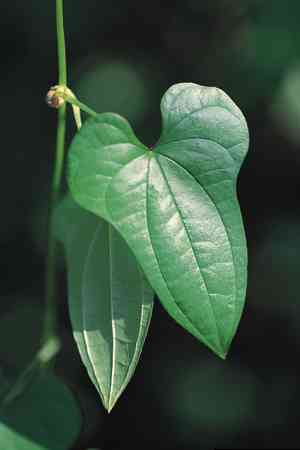
1
Chinese yam tolerates frost, indicating its ability to endure cold temperatures with appropriate attention.
2
Applying mulch offers substantial protection to Chinese yam tubers against severe cold.
3
The optimal period to move Chinese yam back outside is early spring.
What is Overwintering for Chinese yam?
What is Overwintering for Chinese yam?
Overwintering refers to the practice of safeguarding plants during colder months to ensure their survival and vigorous growth in spring. For Chinese yamâa resilient perennial tuberous plant native to East Asiaâthis process is particularly vital. It involves various steps and considerations, from preparing the soil to implementing protective measures, whether the plant is kept indoors or outdoors during winter.
Why Overwinter Chinese yam?
Benefits of Overwintering
Overwintering Chinese yam provides numerous advantages. It helps maintain the plantâs vigor, guaranteeing robust development in the subsequent season. By shielding the delicate tubers from freezing temperatures, you can promote healthier root growth, which is crucial for a plentiful harvest. Furthermore, proper overwintering minimizes the risk of disease and pests, giving your Chinese yam a healthier start in spring.
Risks of Not Overwintering
Neglecting to overwinter Chinese yam can lead to several problems. The most immediate danger is frost damage, which can destroy the plantâs tubers and undo months of growth. Without adequate protection, the Chinese yam might also suffer from root rot or insect infestations, severely hindering its ability to regrow and thrive once warmer weather returns. Thus, overwintering isn't merely an option; it's essential for preserving the plant's health and productivity.
How to Prepare Chinese yam for Overwintering?
Soil Preparation
Preparing the soil is a crucial initial step in overwintering Chinese yam. Begin by tilling the soil to ensure it's loose and drains well. Remove any weeds or debris that might harbor pests or diseases. Adding a layer of compost can enhance soil fertility and ensure the plant's roots receive necessary nutrients throughout winter. Ensuring optimal soil conditions will help protect the tubers from extreme cold and wet conditions.
Pruning and Cleaning
Before the first frost, it's vital to prune your Chinese yam. Cut back the foliage to approximately 5-10 cm (2-4 inches) above the soil. This helps reduce the plantâs exposure to harsh winter elements and makes it easier to manage and protect. Additionally, clear any fallen leaves and stems from the plant's base to prevent rot and pest issues.
Mulching
Mulching is a highly effective method to protect Chinese yam during winter. Apply a 5-10 cm (2-4 inches) thick layer of organic mulch, such as straw, wood chips, or dried leaves, around the plant's base. This acts as an insulating layer, maintaining a more consistent soil temperature and protecting the tubers from freezing. Mulching also helps retain soil moisture, which is essential for keeping the plant healthy during dormancy.
Best Practices for Overwintering Chinese yam Indoors
Ideal Indoor Conditions
For those in regions with extremely severe winters, bringing Chinese yam indoors might be the best choice. Select a cool, dark location, such as a basement or garage, that stays around 10-15°C (50-59°F). It's crucial to keep the plant in a container with well-draining soil and to avoid overwatering, which can lead to root rot.
Container Care
Ensure your container has sufficient drainage holes to prevent water from accumulating at the bottom. Place a saucer underneath to catch any excess water. It's also advisable to check soil moisture weekly and water the plant sparingly, just enough to keep the soil slightly damp. Overwatering can be as damaging as under-watering.
Overwintering Chinese yam Outdoors: What to Consider?
Building Protective Structures
If you opt to keep Chinese yam outdoors, consider constructing protective structures like cold frames or cloches to shield the plant from extreme weather. These structures can maintain a more stable temperature and prevent the harshest winter conditions from affecting your plant.
Monitoring Soil Moisture
Winter can be a challenging time for moisture levels. It's crucial to regularly check the soil moisture to ensure it remains damp but not waterlogged. Using a soil moisture meter can help you track this. Overly dry or waterlogged soil can stress the plant and harm the tubers.
Checking for Frost Damage
Regularly inspect your Chinese yam for signs of frost damage. Look for blackened or mushy tubers and remove any affected areas promptly to prevent the damage from spreading. Regular inspections will help detect and mitigate any issues before they become severe.
When to Transition Chinese yam Back Outdoors?
Identifying the Right Time
The optimal time to transition your Chinese yam back outdoors is in early spring, once the risk of frost has passed. A good guideline is to wait until nighttime temperatures consistently remain above 10°C (50°F). This ensures the plant isn't shocked by sudden cold snaps.
Gradual Transition Tips
When transitioning Chinese yam back outdoors, it's essential to do so gradually. Start by placing the plant outside for a few hours each day, progressively increasing the time it spends outdoors over one to two weeks. This helps the plant acclimate to outdoor conditions and reduces the risk of shock.



