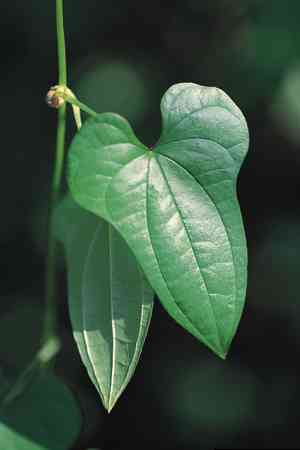
Chinese yam(Dioscorea polystachya)

Chinese yam (Dioscorea polystachya)

Also known as: Cinnamon Vine

Kudzu (Pueraria montana var. lobata) was initially cultivated in Asia as an ornamental plant. When introduced to other regions, it quickly spread beyond controlled cultivation, aggressively overtaking and displacing native plants in diverse environments. It is currently listed as a Rank 1-Severe Threat species on Tennessee's Invasive Exotic Pest Plant List.

Attributes of Chinese yam

Lifespan
Perennial
Plant Type
Vine
Plant Height
2.5 m
Spread
1.5 m
Leaf Color
Green
Flower Size
28 cm
Flower Color
White Yellow Green Brown

ForwardPlant - Identify plants with a snap

Identify and diagnose plants, get toxicity alerts, and explore safety guides for all types of fungi.

Try for Free

Images of Chinese yam

Chinese yam(Dioscorea polystachya)

Quickly Identify Chinese yam

1
Twining vines up to 16 feet (5 meters) long.
2
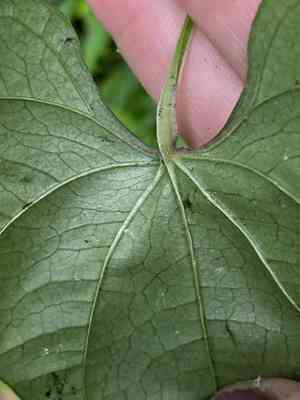
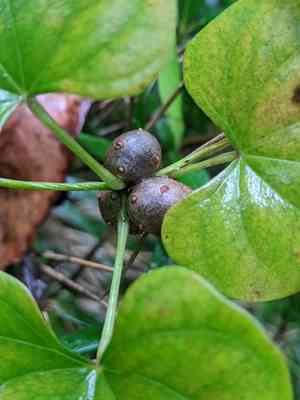
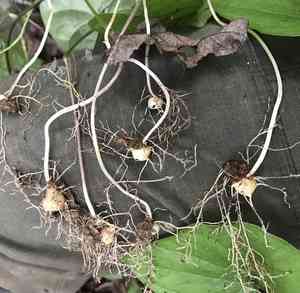
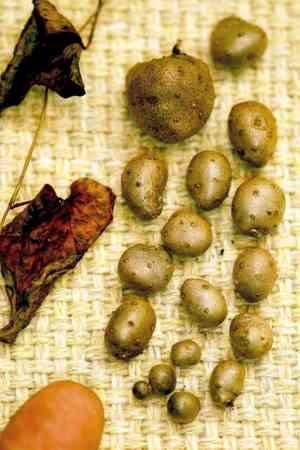
Heart-shaped leaves with warty round bulbils.
3
Small white flowers with cinnamon fragrance.
4
Distinctive capsules with winged seeds for dispersal.
5
Angular, twining stem with prominent ridges.

Scientific Classification of Chinese yam

Phylum
Vascular plants
Class
Monocotyledons
Order
Yams, colicroots, and allies
Family
Yam
Genus
Dioscorea
Species
Chinese yam

Planting and Growing of Chinese yam

Care Difficulty
Easy
Watering Schedule
Every 4 days
Sunlight Requirements
Partial sun
Sunshine Duration
4-6 hours
Ideal Temperature
68-77℉
Soil Type
Potting Mix, Peat Mix
Soil pH
6.5-7.5
Fertilizer Type
Balanced
Pruning Season
Spring, Summer
Pruning Area
Branches, Leaves
Pruning Frequency
2 times a year
Repotting Season
Spring
Pot Type
Terracotta, Plastic

water icon How to Water Chinese yam?

Dioscorea polystachya, commonly known as Chinese yam, requires moderate watering. When watering, ensure the top 2 inches of soil are dry before adding 500 ml of water. This plant benefits from deep watering that reaches the root zone but avoid waterlogging by not allowing the plant to sit in water.
What are the symptoms of an underwatered Chinese yam?
What should I do if my Chinese yam is not getting enough water?
What are the symptoms of an overwatered Chinese yam?
How to save an overwatered Chinese yam?
More About Watering Techniques

sunlight icon What Are the Sunlight Requirements for Chinese yam?

Sunlight Requirements: Partial sun, Full sun
Duration of light: 4 to 6 hours
Partial sun exposure is suitable, translating to about 4 to 6 hours daily. This ensures Dioscorea polystachya receives enough light for robust growth while avoiding the detrimental effects of overexposure.
What is the ideal lighting condition for Dioscorea polystachya?
How can you achieve the ideal lighting condition?
What are the benefits of ideal lighting conditions?
More About Sunlight Requirements Techniques

temperature icon What Is the Ideal Temperature Range for Chinese yam?

Ideal Temperature: 68 ~ 77℉
The ideal temperature range for Dioscorea polystachya, commonly known as the Chinese yam, is between 68°F and 77°F. Maintaining this range supports optimal plant growth and tuber development. Within these temperatures, the plant performs its vital functions efficiently, ensuring healthy leaf and root formation.

soil icon What Soil is Best for Chinese yam?

Soil type: Loam, Sandy loam
Soil PH: 6.5 ~ 7.5
Dioscorea polystachya thrives in well-drained soil, preventing waterlogging, crucial to avoid root rot. Well-aerated soils allow better oxygen flow to roots, promoting healthier growth and tuber development. This plant prefers soils rich in organic matter, ensuring a steady supply of nutrients. Regularly amending soils with compost promotes vigorous growth and enhances tuber production. The soil should retain enough moisture to support growth, yet not so much as to cause stagnation. This balance helps maintain consistent water availability to prevent stress on the plant. More About Soil

fertilize icon How to Fertilize Chinese yam?

Fertilizer type: Balanced
The optimal fertilizer amount for Dioscorea polystachya involves using a balanced liquid fertilizer diluted to half strength for liquid feeding. This ensures the plants receive adequate nutrients without the risk of over-fertilization. For slow-release, use approximately 100 grams per square meter, ensuring even distribution around the plant base without directly touching the stem to avoid root burn.

prune icon How to Prune Chinese yam?

Pruning Time: Spring, Summer, Autumn
Begin by examining the plant for any signs of disease or damage, such as discolored or wilting stems. These parts should be the target for your pruning efforts. Make your cuts at a 45-degree angle to facilitate quick healing and water runoff, which helps prevent rot. Ensure cuts are clean and avoid tearing to protect the plant's health. Focus on removing stems that disrupt the plant's natural symmetry. This encourages even growth, better air circulation, and exposure to sunlight, promoting overall health. More About Pruning Techniques

propagate icon How to Propagate Chinese yam plant?

Propagate Time: Spring, Early summer, Late summer
1
Before planting, soak the seeds of Dioscorea polystachya in warm water for about 24 hours. This helps to soften the seed coat and speed up germination.
2
Select a healthy vine and take a cutting of about 6-8 inches. Remove the lower leaves, preserving at least two leaves at the apex.
3
Carefully dig up the tubers and separate them into sections, ensuring each section has at least one growing point or 'eye' before replanting.
More About Propagating Techniques

repot icon How to Repot Chinese yam plant?

Repotting frequency: Every 2-3 years
1
Dioscorea polystachya signals it's time to repot when its roots begin to outgrow the current container or when the plant shows signs of slowed growth despite proper care. Typically, you should aim to repot during its active growing seasons, ideally in spring or autumn.
2
Select a pot that is just one size larger than the current one to encourage proper root development without overwhelming the plant. A pot with drainage holes is crucial to prevent waterlogging, which can cause root rot in Dioscorea polystachya.
3
Opt for well-draining loamy soil that's rich in organic matter. This type of soil provides the nutrients needed for Dioscorea polystachya to thrive, while ensuring excess water can escape, preventing root rot and promoting healthy growth.

ForwardPlant - Identify plants with a snap

Find the best spots for them to optimize their health, simply using your phone.

Try for Free

Toxicity of Chinese yam

Is Chinese yam toxic to humans?

Chinese yam contains a distinct level of toxicity due to the presence of oxalate crystals distributed throughout the entirety of the plant. If ingested, these crystals can inflict considerable harm on humans. The entire plant is deemed toxic, and improper consumption can result in poisoning. Manifestations of poisoning from chinese yam are particularly severe and may encompass intense irritation of the mouth and throat, swallowing difficulties, and gastrointestinal distress, including vomiting and diarrhea. It is essential for individuals to understand the possible hazards linked to chinese yam and to take precautions against unintentional ingestion, as all components of the plant are toxic. The gravity of the symptoms highlights the necessity of recognizing chinese yam and its possible threats to human health.

Identify toxic plants for your safety

Learn which plants are harmful to you and your pets, and make informed choices for a safer home!

Try for Free
WARNING
The judgment on toxicity and danger is for reference only. We DO NOT GUARANTEE any accuracy of such judgment. Therefore, you SHALL NOT rely on such judgment. It is IMPORTANT TO SEEK PROFESSIONAL ADVICE in advance when necessary.
More About Toxic Techniques