How to Prune Chinese yam?
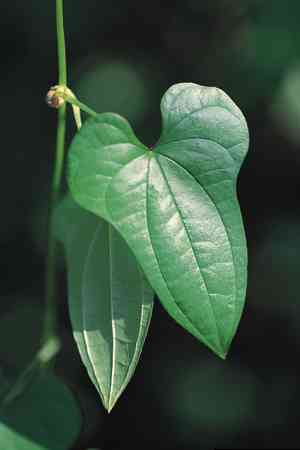
This enduring tuberous climber is optimally trimmed in the initial part of spring or the latter part of winter. For chinese yam, essential pruning methods involve severing any lifeless or ailing stalks to preserve vitality, and eliminating any errant tendrils that might impede regulated development. Trimming ought to be performed to control the plant's robust growth tendency, which can be intrusive. Consistent pruning aids in guaranteeing adequate air movement, diminishes the likelihood of ailments, and fosters a more controllable growth structure for cultivation.
Advantages of Trimming Chinese Yam
Advantages of Trimming Chinese Yam
Trimming chinese yam promotes robust development and maintains its desired form. Regular cutting prevents excessive growth, ensuring chinese yam possesses the correct structure for peak health and visual appeal.
Optimal Period for Pruning Chinese Yam
Optimal Period for Pruning Chinese Yam
Pruning or trimming chinese yam during late winter and early spring is ideal as these seasons precede its active growth phase. Late winter pruning prepares chinese yam for the upcoming growth spurt, allowing energy to be directed towards the development of new, healthy shoots. Early spring trimming ensures that any winter damage is removed before growth accelerates, minimizing the risk of disease and pests that can exploit weakened plant tissues. Furthermore, pruning before chinese yam produces new foliage or vines will not disrupt its flowering or fruiting cycles. These seasons also allow gardeners to easily identify and remove any dead or diseased tissues that are more apparent when the plant is not in full leaf.
Essential Tools for Pruning Chinese Yam
Bypass Pruners
For precise cuts on thin stems and leaves of chinese yam, bypass pruners provide a clean and healthy cut without crushing plant tissues.
Loppers
For thicker stems that bypass pruners cannot manage, loppers offer leverage and extended reach, making them perfect for pruning chinese yam's sturdy stems.
Pruning Saw
For mature and woody stems of chinese yam too thick for loppers, a pruning saw can cut through the material without causing unnecessary harm to the plant.
Gardening Gloves
To safeguard the gardener's hands from the plant's potentially rough texture and from dirt, gloves are a crucial tool during the pruning of chinese yam.
Garden Shears
For shaping and thinning the foliage, especially during chinese yam's active growth phase, garden shears enable quick and efficient trimming of smaller leaf clusters.
How to Prune Chinese Yam
Sanitize
Before pruning chinese yam, disinfect your pruning shears with rubbing alcohol or a bleach solution to prevent disease transmission.
Inspect
Examine chinese yam thoroughly to identify all diseased and withered leaves that need removal.
Cut Diseased Leaves
Carefully cut diseased leaves at their base where they connect to the stem, ensuring you do not harm healthy adjacent foliage.
Remove Withered Leaves
Snip off withered leaves close to the stem to encourage healthy growth and improve air circulation around chinese yam.
Clean Up
Properly dispose of the removed diseased and withered leaves to minimize the risk of fungal or pest infestations around chinese yam.
Common Pruning Errors with Chinese Yam
Overpruning
Removing too much foliage can stress chinese yam, hindering healthy growth. Gardeners should avoid cutting off more than a third of the plant's total mass in a single pruning session.
Incorrect Cuts
Making cuts too close to the main stems could damage the structural integrity of chinese yam. Conversely, leaving too much of a stub can lead to unnecessary wounds and potential disease entry.
Pruning Healthy Growth
Some gardeners mistakenly remove healthy stems and leaves, thinking it will promote growth. However, this can weaken chinese yam, as these parts are crucial for photosynthesis and overall vigor.
Disinfection Neglect
Not sterilizing pruning tools before and after use can spread diseases between plants. This negligence can introduce pathogens to chinese yam that may impact its health.
Improper Tool Use
Using dull, unsuitable, or oversized tools can cause jagged cuts that harm chinese yam and hinder its ability to heal properly, leading to potential disease.
General Pruning Advice for Chinese Yam
Selective Thinning
Thinning out dense foliage can improve air circulation and light penetration in chinese yam. Focus on removing only the necessary parts to maintain the plant's structural integrity.
Clean Cuts
Make clean, angled cuts on chinese yam to reduce the risk of disease and to promote faster healing. The angle should steer water away from the cut surface.
Promote Airflow
When pruning chinese yam, aim to create an open framework that promotes good airflow. This helps to reduce the risk of fungal infections and maintains plant health.
Tool Selection
Choose sharp, clean pruning shears suited for chinese yam's stem thickness. Properly maintained tools will make cleaner cuts and reduce damage to the plant.
Follow Growth Patterns
Prune chinese yam by following its natural growth patterns. This will encourage a more aesthetically pleasing shape and promote vigorous, healthy growth.



