How to Transplant Chinese yam?
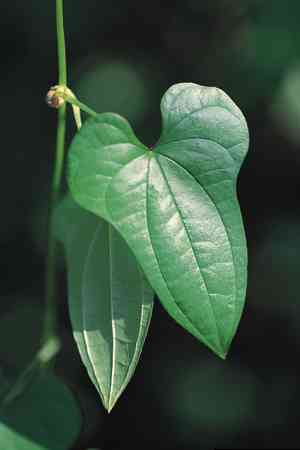
Relocate chinese yam during the revitalizing phase of mid to late spring or early summer to ensure vigorous development. Select a sunny location with good drainage. Recommendation: Progressive adjustment aids chinese yam in flourishing after transplantation.
What Preparations are Needed Before Transplanting Chinese Yam?
What is the Ideal Time for Transplanting Chinese Yam?
The perfect time for relocating chinese yam is during the lively period of mid to late spring or as summer begins. This timeframe offers chinese yam the gentle yet increasing warmth it needs for robust root development and optimal growth. Aligning with the season's revitalizing energy, this timing ensures chinese yam can thrive, fully utilizing longer days and the soil's moisture retained from spring rains. A helpful tip: choose this period for a garden that promises success with chinese yam.
How Much Space Should You Leave Between Chinese Yam Plants?
When moving your chinese yam, ensure each plant is positioned roughly 3-4 feet (0.9-1.2 meters) apart. This provides ample room for each plant to grow and flourish without excessive competition for resources.
What is the Best Soil Mix for Chinese Yam Transplanting?
Preparing the soil is a crucial step. Chinese yam thrives in well-drained, fertile soil. Aim for a loam or sandy loam type. Incorporate some compost or other organic base fertilizer before planting to provide a nourishing start for your chinese yam.
Where Should You Relocate Your Chinese Yam?
Select a location that receives abundant sunlight, as chinese yam appreciates plenty of sun. However, partial shade is also acceptableâso don't worry if your chosen spot has some dappled light!
What Equipments Should You Prepare Before Transplantation Chinese Yam?
Shovel or Garden Trowel
Essential for excavating the chinese yam without harming its root system.
Gardening Gloves
To safeguard your hands while handling soil and the plant.
Gardening Apron
To keep your attire clean during the relocation process.
Watering Can
For hydrating the plant before and after moving, ensuring adequate moisture for the chinese yam.
Mulch
To create a protective layer over the plant's new site that also aids in retaining soil moisture.
Stakes
In case the chinese yam requires support during the initial period after transplanting.
How Do You Remove Chinese Yam from the Soil?
How Do You Remove Chinese Yam from the Soil?
From Ground: Before you begin, water the chinese yam plant to moisten the soil. This helps maintain the root structure when extracting the plant. Dig a wide circle around the plant with a shovel or trowel; these tools should be sharp to prevent root damage. Once the perimeter is established, angle your tool beneath the plant and gently lift it from the ground. Remember, the goal is to keep the root ball intact.From Pot: To remove chinese yam from a pot, start by watering the plant. Carefully turn the pot on its side and gently slide the plant out. If it's resistant, you might need to tap the sides or bottom of the pot. In some instances, cutting the pot may be the safest way to extract the plant without harming its root ball.From Seedling Tray: Water the tray before removal. Use a gentle pushing motion from the base of the pod to push the chinese yam seedling and its soil out of the tray. Handle the seedling by its leaves to avoid damaging the delicate stem.
Step-by-Step Guide for Transplanting Chinese Yam
Prep the New Spot
Prepare the new planting location by digging a hole that is wide and deep enough to comfortably accommodate the chinese yam's root ball. The hole should be twice as wide as the root ball.
Transfer the Plant
Carefully place the chinese yam into the hole at the same depth it was in its original spot. The top of the root ball should be level with the soil surface.
Backfill the Hole
Fill the hole with soil, gently tamping down to eliminate any air pockets.
Watering
After transplanting, thoroughly water the chinese yam; this helps settle the soil around the roots.
Mulching
Following watering, apply mulch around the base of the chinese yam to help retain moisture and inhibit weed growth.
Staking
If your chinese yam appears unstable, use a stake for temporary support until the plant becomes established.
How Do You Care For Chinese Yam After Transplanting?
Regular Check
Consistently inspect the chinese yam for indications of transplant shock, such as wilting, yellowing, or dropped leaves. If these signs appear, ensure the plant has sufficient water and is protected from harsh conditions.
Providing Comfort
Consider temporary shading for the initial week if the chinese yam is moved during periods of intense sun or a hot season.
Pruning
Trim off any broken or damaged branches to aid in recovery.
Pest and Disease Control
Pay close attention to potential pest or disease infestations as the chinese yam may be more susceptible after relocation. Use organic pest control or fungicides if necessary.
Keeping Hydrated
While the chinese yam is settling into its new spot, it's crucial to maintain consistent, deep watering, but avoid overwatering which could lead to root rot.
Troubleshooting Common Issues with Chinese Yam Transplantation.
When is the perfect time to transplant chinese yam?
The best seasons to relocate chinese yam are late spring to early summer, taking advantage of the ideal growing temperatures during these periods.
What depth should I consider when planting chinese yam?
The hole for the chinese yam should be twice as wide and the same depth as the root ball. Typically, this is about 10 inches (25 cm) deep.
Which exact spot is ideal for planting chinese yam in my garden?
Chinese yam loves sunlight but also appreciates shade, so a location with partial sun exposure is ideal. Ensure it's protected from strong winds as chinese yam prefers calm environments.
Should I use any fertilizers while planting chinese yam?
Yes, adding a slow-release fertilizer or some compost during planting will provide chinese yam with the nutrient boost it needs for a strong start.
How far apart should the chinese yam be planted?
The optimal spacing for chinese yam is approximately 3-4 feet (about 1-1.2 meters). This allows ample room for growth and proper air circulation.
Do I need to water chinese yam immediately post-transplant?
Absolutely! Watering chinese yam thoroughly right after transplanting helps the roots settle, reduces shock, and promotes rapid growth.
What care should be taken after transplanting chinese yam?
Monitor moisture levels closely. Water chinese yam regularly over the first few weeks after transplant. Also, shield it from extreme weather conditions.
Why is my transplanted chinese yam wilting?
Transplant shock could cause wilting. Ensure the soil is well-drained and keep chinese yam adequately watered. If the issue persists, consult a horticultural expert.
How can I reduce transplant shock in chinese yam?
Minimize root disturbance during transplanting, maintain its original orientation, and water well after transplant. Also, consider using a transplanting solution.
What should I do if the leaves of chinese yam turn yellow after transplanting?
Yellowing leaves may indicate overwatering or a nutrient deficiency. Adjust your watering routine and consider a nutrient-rich solution.



