Enhancing Your Garden Design with the Chinese yam Plant: A Landscaping Guide
1
Chinese yam offers a distinct aesthetic to both structured and wild garden designs.
2
Optimal positioning and upkeep are crucial for enhancing the beauty and environmental advantages of Chinese yam.
3
Adding Chinese yam to your garden promotes diverse life and native fauna.
The Visual Charm of Chinese Yam in Contemporary Gardens
Understanding the Distinctive Visual Characteristics of Chinese Yam
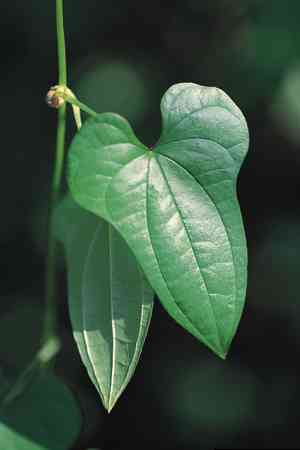
A primary feature of Chinese yam is its striking look. The plant offers a unique texture with its heart-shaped leaves, which can impart elegance and an exotic touch to any garden. Its climbing habit makes it ideal for creating vertical interest, whether trained over a trellis, a pergola, or along a fence. The vibrant green leaves can beautifully contrast with darker foliage, making Chinese yam a versatile choice for various landscape designs.
Seasonal Transformations and Their Effect on Your Gardenâs Appearance
Chinese yam provides an ever-changing spectacle throughout the year, adding dynamic beauty to your garden. In spring and summer, its lush greenery can evoke a tropical feel, while autumn brings a striking display of yellow foliage. This seasonal shift not only offers visual interest but also ensures your garden never appears static. Instead, it evolves with the changing seasons, providing new and captivating views year-round.
Color Palette Variations: Why Chinese Yam Stands Out?
Color is a vital component in landscape design, and Chinese yam excels in this area. The plantâs leaves display a range of green hues that can complement various garden color schemes, from monochromatic arrangements to more vibrant, multi-colored designs. The subtle shades of its leaves can create a calming effect when paired with other green plants, or serve as a neutral backdrop that enhances the vivid colors of blooming flowers.
Integrating Chinese Yam into Various Landscape Styles
Enhancing Formal Garden Layouts with Chinese Yam
Chinese yam can be an excellent addition to formal gardens, where structure and order are paramount. Its climbing habit can be used to frame pathways and entrances, adding an element of sophistication. Furthermore, the plantâs consistent leaf shape and color provide a harmonious backdrop for other more structured garden elements like topiaries and fountains. The result is a balanced yet visually engaging formal garden setup.
Incorporating Chinese Yam into Naturalistic Landscapes
If you prefer a more relaxed and naturalistic garden style, Chinese yam fits perfectly. Its free-growing habit allows it to blend seamlessly with other native plants, creating a more organic and less structured look. By allowing Chinese yam to follow its natural climbing tendencies, you can add vertical layers to your garden, contributing to a wilder, more untamed appearance that celebrates nature's beauty.
Utilizing Chinese Yam in Small Urban Spaces: Advice and Techniques
Urban gardening often involves space limitations, but Chinese yam is a perfect solution for small areas. Its vertical growth can maximize limited spaces, making the most of every inch. Whether planted in containers on a balcony or allowed to climb a small wall, Chinese yam offers a green escape in the city. To enhance its growth in urban settings, choose a sunny spot and ensure it's well-supported. Regular pruning can also keep its growth in check and maintain a tidy appearance.
Practical Considerations for Planting Chinese Yam
Optimal Placement for Planting Chinese Yam for Growth and Beauty
Selecting the right spot for Chinese yam is crucial for its development and its impact on your garden's aesthetics. This plant thrives in well-drained soil and areas with ample sunlight, though it can also tolerate partial shade. Plant Chinese yam where it can climb and spread, such as near a fence or trellis, to maximize its vertical growth and enhance the overall visual appeal of your landscape.
Soil and Watering Requirements: Getting the Fundamentals Right
To ensure Chinese yam flourishes, focus on its soil and watering needs. It prefers well-draining, loamy soil rich in organic matter. Consistent watering is essential, especially during the growing season, but be wary of overwatering as this can lead to root rot. Mulching around the base can help retain moisture and keep the roots cool, promoting healthy growth. Balanced fertilization will also support robust and lush foliage.
Common Issues and How to Resolve Them
Despite its resilience, Chinese yam can encounter some problems. Pests like aphids can be an issue, but can be managed with natural predators or insecticidal soaps. Regarding diseases, watch out for fungal infections, which can be mitigated by ensuring proper air circulation and avoiding waterlogged conditions. Regular monitoring and prompt action can keep these issues in check, ensuring Chinese yam remains a vibrant part of your garden.
Ecological Advantages of Including Chinese Yam in Your Garden
How Chinese Yam Supports Local Wildlife
Chinese yam offers more than just visual appeal; it also supports local wildlife. Its flowers attract pollinators like bees and butterflies, which are essential for a healthy garden ecosystem. Additionally, its dense foliage provides shelter for small birds and insects, contributing to the biodiversity of your garden space.
Contributing to Biodiversity with Chinese Yam
Planting Chinese yam can enhance the biodiversity in your garden. By introducing a different species, you create a varied habitat that can support a wider range of wildlife. This diversity not only helps in creating a balanced ecosystem but also adds to the ecological richness of your landscape, making it more resilient to pests and diseases.
Sustainability and Environmental Impact of Cultivating Chinese Yam
Incorporating Chinese yam into your garden has positive environmental implications. The plantâs ability to grow in diverse conditions means it requires fewer resources compared to more demanding species. Its extensive root system helps prevent soil erosion and promotes soil health. By choosing Chinese yam, you're also opting for a sustainable gardening practice that supports long-term environmental health.



