How to Propagate Chinese yam?
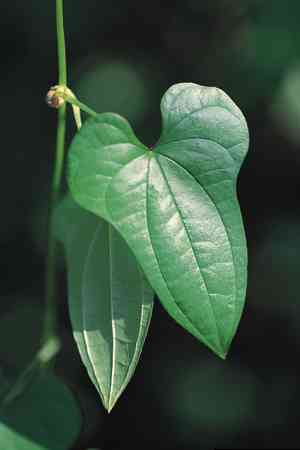
Dioscorea polystachya is grown for its palatable root vegetables, which are vital for reproduction. A useful suggestion for cultivators is to embed the tubers directly into the earth at an appropriate depth. It is essential to ensure the tubers are robust and devoid of any disease indicators to guarantee successful multiplication. Accurate distancing is equally important to provide each tuber ample space for growth. Given diligent attention and conducive surroundings, fresh sprouts are anticipated.
Optimal Time for Chinese Yam Propagation?
Propagation Method
Utilize The Tubers
Propagation Period
Spring
Tools for Chinese Yam Propagation?
Garden Fork
This implement is vital for excavating and loosening the earth around chinese yam's tubers without causing harm. Its tines are designed to gently lift tubers from the soil, minimizing injury, which is crucial for their health and growth potential. Its ergonomic design ensures deep soil penetration with minimal effort, preserving fragile tuber structures during extraction.
Trowel
A trowel is employed for the precise task of planting tubers at the correct depth. For chinese yam, it is especially useful as it allows exact control over tuber depth and placement, ensuring they are situated in conditions favorable for sprouting. This small, handheld tool is ideal for working in confined spaces or containers where chinese yam might be cultivated.
Potting Soil
Though not a tool in the conventional sense, premium potting soil is crucial when propagating chinese yam from tubers. The soil should be loose, well-draining, and fertile to support robust root development. The correct soil composition will also help retain sufficient moisture without waterlogging the tubers, promoting effective root growth and plant health during the critical initial propagation phases.
Watering Can with a Gentle Shower Head
Proper hydration is essential during chinese yam propagation. A watering can with a gentle shower head allows for even water distribution, preventing soil erosion around newly planted tubers. This watering method ensures tubers remain undisturbed and soil moisture is maintained at optimal levels for root establishment and growth.
Labels and Marker
Clear labeling is important when propagating multiple plants or varieties to ensure specific care routines are followed. For chinese yam propagators, using durable labels and a waterproof marker to note planting dates and details can help monitor growth progress and maintain organized propagation records.
Caring for Newly Propagated Chinese Yam?
Caring for Newly Propagated Chinese Yam?
Manage light and moisture: chinese yam prefers partial shade but tolerates full sun, requiring consistent moisture without saturation. Fertilize monthly during the growing season with a balanced feed and monitor for pests or diseases. Train vines onto supports as they grow, prune excess growth as needed, and harvest tubers carefully to avoid plant injury.
Common Errors to Avoid When Propagating Chinese Yam
Overwatering
Excessive watering can lead to root rot, which is detrimental to chinese yam's well-being. Too much moisture creates an environment where fungi can thrive, ultimately damaging the tubers and roots.
Poor Cutting Selection
Using unhealthy or diseased tuber sections for propagation can result in weak growth or disease spread. It is vital to begin with high-quality planting material to increase successful propagation chances.
Incorrect Planting Depth
Planting tubers too deep or too shallow can hinder chinese yam's ability to sprout and establish a strong root system, thus impeding growth.
Ignoring Pest Control
Failing to manage pests that can harm chinese yam during propagation, such as nematodes or weevils, can lead to poor growth or the death of young plants.
Tips For Propagating Chinese Yam
Healthy Tubers
Choose firm, healthy tubers free of imperfections or disease signs. This ensures a strong start for new chinese yam plants.
Adequate Drainage
Provide well-draining soil to prevent waterlogging. Proper drainage is crucial for developing strong, healthy roots and preventing rot.
Appropriate Planting Depth
Plant tubers at the correct depth – neither too deep nor too shallow. This will facilitate efficient shoot and root growth.
Pest Management
Regularly check for pests and apply suitable measures to protect chinese yam during early growth stages, helping the plant establish without pest damage.



