How Often Should You Water Your Sisal?
1
Sisal flourishes in soil that drains effectively to avoid root decay.
2
Irrigation schedule: Once per week.
3
Applying a layer of mulch can assist in retaining humidity for your Sisal.
Grasping Sisal's Hydration Needs
Sisal's Distinctive Water Requirements
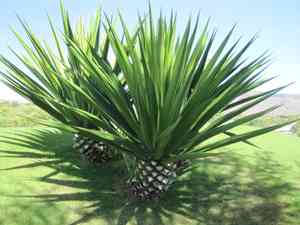
Sisal, an evergreen plant from Central America's warmer zones, is known for its robustness. Primarily used for strong natural fibers, it adapts to various conditions, though it thrives in arid climates. Despite its hardiness, understanding Sisal's specific watering needs is vital. This plant prefers drier soil and is naturally drought-tolerant, meaning it doesn't need frequent watering. However, balancing irrigation is crucial, as both excessive and insufficient watering can significantly harm its health.
Elements Affecting Water Demands
Several elements can influence how often you need to hydrate your Sisal. Climate is a major factor; plants in hotter, drier regions require more frequent watering than those in cooler, more humid environments. Soil type is also critical; sandy soils drain quickly and may need more frequent watering than loamy soils. Planting location is another consideration; indoor plants might need less water than outdoor ones due to reduced exposure to direct sunlight and wind. Finally, the size of the Sisal can impact water needs, with larger plants requiring more water to sustain their growth.
Step-by-Step Sisal Watering Guide
When to Water: Pinpointing the Correct Moment
The best method to determine when to water your Sisal is by inspecting the soil. Insert your finger about one inch (2.5 cm) into the soil; if it feels dry, it's time to water. The plant generally needs watering weekly, but this can fluctuate based on the factors mentioned above. In hotter climates or during peak summer, you might find yourself needing to water up to twice a week. Conversely, in cooler weather or during the plant's winter dormancy, you might only need to water every ten days to two weeks.
How to Water: Optimal Hydration Techniques
When watering Sisal, the method is as important as the frequency. Always water thoroughly until liquid drains from the pot's bottom or deeply penetrates the ground for outdoor plants. This ensures the roots receive adequate moisture. Avoid watering the leaves directly, as this can cause fungal issues; focus on the plant's base. For potted Sisal, a saucer beneath the pot can collect excess water, which should be emptied to prevent root rot.
Common Errors to Avoid in Sisal Watering
Overwatering: Risks and Indicators
Overwatering is one of the most frequent mistakes in Sisal care. This can lead to root rot, a condition where roots become black and mushy due to excessive moisture. Signs of overwatering include yellowing leaves, a musty soil odor, and a wilted appearance despite wet soil. To prevent overwatering, ensure the soil drains well and allow the soil surface to dry between waterings.
Underwatering: How to Identify and Remedy
Conversely, insufficient watering can also be harmful. Signs of underwatering include brown, crispy leaf edges, and stunted growth. If you suspect your Sisal isn't getting enough water, consistently check soil moisture and gradually increase watering frequency. Ensure deep watering to allow moisture to reach the roots.
Maintaining a Healthy Sisal: Long-Term Care Advice
Seasonal Watering Adjustments
Adapting your watering routine with the changing seasons is vital for your Sisal's long-term health. During the growing season, typically spring and summer, your plant will require more water due to increased growth and evaporation rates. In contrast, during dormant periods in fall and winter, less frequent watering is necessary. Always refer to soil moisture checks to guide your watering schedule.
Incorporating Mulching and Drainage
Mulching can greatly benefit Sisal plants. It helps retain soil moisture, regulate temperature, and reduce weed competition. Organic mulches like wood chips or straw are ideal and should be applied in a layer about 2-3 inches (5-7.5 cm) thick. Proper drainage is also essential for your Sisal's health. Ensure your pots have drainage holes, and if planting outdoors, choose well-draining soil or amend your soil with sand and organic material to enhance its drainage.



