How to Prune Sisal?
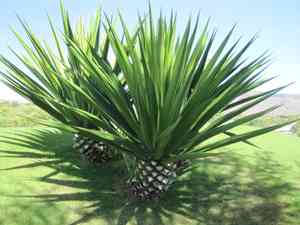
Hailing from dry regions, sisal is recognized for its blade-like foliage and fiber output. Key trimming methods involve detaching impaired or lifeless leaves at their foundation and eliminating flower stems after flowering to preserve vitality. The ideal time for pruning spans from late winter to early spring, prior to the emergence of new shoots. For sisal, this practice improves plant well-being and boosts fiber harvest, simultaneously deterring self-propagation and excessive density. It is imperative to don protective handwear to avoid harm from the pointed leaf ends.
Advantages of Trimming Sisal
Advantages of Trimming Sisal
Trimming sisal promotes vigorous development, enabling the plant to flourish more robustly. Pruning also preserves the plant's shape, enhancing its visual appeal and simplifying cultivation tasks.
Optimal Time for Pruning Sisal
Optimal Time for Pruning Sisal
Pruning sisal during late winter or early spring aligns with its dormant phase, preceding the active growth period typical for spring and summer. This timing allows for shaping and removal of damaged or diseased material without disrupting active growth or flowering. The plant's energy is concentrated in its roots during dormancy, minimizing stress and encouraging rapid wound healing as temperatures rise. These seasons also avoid the hottest, driest periods when sisal might be under environmental stress, thus aiding its recovery and overall health post-pruning.
Essential Tools for Pruning Sisal
Sharp, long-handled loppers
Given the size and fibrous nature of sisal's foliage, long-handled loppers enable gardeners to cut through thick leaves without getting too close to sharp edges, offering both reach and leverage.
Heavy-duty garden gloves
These are crucial for safeguarding hands from sisal's sharp leaf tips and edges while handling the plant during the pruning process.
Hand pruners
Useful for more precise cuts or for removing smaller or dead leaves from sisal.
Pruning saw
Ideal for cutting through the thick, woody base of mature sisal leaves or for removing extensive growth.
How to Prune Sisal
Inspection
Thoroughly examine sisal to pinpoint all diseased and withered leaves. This prepares you for targeted trimming.
Sanitation
Clean, sterilize, and sharpen your pruning implements. This prevents the transmission of diseases between plants during the pruning process.
Cutting Diseased Leaves
Using sterilized tools, carefully cut away diseased leaves from sisal at their base, near the trunk. Be careful not to harm healthy surrounding tissue.
Removing Withered Leaves
Similarly, remove withered leaves by cutting them at their base where they meet the trunk. With sisal's thick, fibrous leaves, ensure cuts are clean to promote healing.
Disposal
Discard all removed diseased and withered foliage away from healthy sisal plants to prevent any potential spread of disease or pests.
Common Pruning Errors with Sisal
Excessive Pruning
Removing too many leaves from sisal can weaken the plant, causing stress that may lead to reduced vigor and fewer blooms.
Cutting Into The Heart
Pruning into the central core, or 'heart', of sisal can cause irreversible damage. This is where new growth originates, and cutting it can halt the plant's growth entirely.
Using Dull Tools
Blunt pruning tools can crush or tear the leaf fibers of sisal, resulting in an untidy appearance and potentially increasing the risk of disease.
Ignoring Protective Gear
Sisal has sharp spines on the edges of its leaves. Failing to wear gloves and long sleeves can lead to injuries.
Pruning Healthy Leaves
Removing healthy leaves can unnecessarily stress sisal. Only dead or dying leaves should be pruned to maintain the plant's health.
General Pruning Advice for Sisal
Clean Cuts
Utilize sharp, clean tools to make precise cuts on sisal, ensuring rapid healing and reducing the chance of infection.
Protective Clothing
Always wear thick gloves and long sleeves to shield the skin from the fibrous and spiky leaves of sisal.
Selective Pruning
Focus on removing dead or dying leaves close to the base, which will encourage healthy growth without over-pruning.
Guided Cuts
Make cuts on sisal's leaves at an angle, pointing away from the heart to avoid damaging new growth areas.
Disinfect Tools
After pruning sisal, disinfect your tools to prevent the spread of pathogens to other plants.



