How to Overwinter Sisal
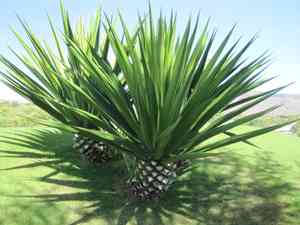
1
Sisal plants are susceptible to frost and require safeguarding in winter to flourish.
2
Indoor temperatures for Sisal during winter should be maintained between 13-21°C (55-70°F).
3
Inspect for pests prior to moving your Sisal inside for the colder season.
Why is Overwintering Sisal Important?
Why is Overwintering Sisal Important?
Protecting Sisal plants during winter is crucial because they are sensitive to cold. Hailing from warmer regions, Sisal plants cannot endure freezing temperatures, which can severely harm or even kill them. By overwintering your Sisal plant, you ensure its survival through colder periods and its health for the subsequent growing season. This practice helps maintain the plant's overall strength, enabling it to continue producing robust leaves, typically harvested for their strong fibers.
How to Prepare Sisal for Overwintering?
Inspecting Plant Health
Before moving your Sisal plant indoors, thoroughly check it for any indications of disease or pest infestation. Examine the leaves and base closely for insects such as aphids or spider mites. Inspect the roots for any signs of rot or decay. Ensuring your plant is healthy before bringing it inside can help prevent the spread of pests and diseases to your other indoor plants.
Pruning and Cleaning
Trimming is a vital step in getting your Sisal ready for winter. Remove any dead or yellowed leaves to improve air circulation and lessen the chance of mold growth. Gently clean the leaves with a damp cloth to remove dust and potential pests. This cleaning process helps the plant respire better and photosynthesize more effectively under indoor conditions.
Controlling Pests and Diseases
Pest management is essential when relocating Sisal plants indoors. Treat the plant with an insecticidal soap or neem oil to eliminate any lingering pests. If the plant exhibits signs of disease, such as discolored or wilting leaves, address these issues promptly. Isolate the affected plant to prevent contamination of other houseplants and consult with a local garden center or extension service for specific disease management strategies.
Best Indoor Conditions for Overwintering Sisal
Ideal Temperature and Humidity
Sisal plants thrive in a warm environment with temperatures between 13-21°C (55-70°F). Avoid placing the plant near drafts or colder areas of your home. Humidity levels should be moderate; excessive humidity can lead to fungal problems, while too little can cause the leaves to dry out. A humidity level of approximately 40-50% is optimal for Sisal plants.
Lighting Requirements
Sisal plants need bright, indirect sunlight to thrive indoors. Position your plant near a south or west-facing window where it can receive ample light without direct sun exposure, which could scorch the leaves. If natural light is insufficient, consider using a grow light to supplement the plant's lighting needs.
Watering and Feeding Practices
During the colder months, reduce the frequency of watering for your Sisal plant. Allow the soil to dry out completely between waterings to prevent root rot. Water sparingly, approximately once every 2-3 weeks, depending on indoor humidity and temperature. Feeding should be minimal; use a diluted, balanced fertilizer once during the winter to support the plant's maintenance without promoting excessive growth.
Common Overwintering Problems and Solutions
Yellowing Leaves
Leaves turning yellow can indicate overwatering, insufficient light, or nutrient deficiencies. Ensure you are not overwatering your Sisal and provide adequate but indirect light. A balanced fertilizer applied sparingly can help address nutrient deficiencies.
Root Rot Issues
Root rot is typically caused by excessive watering or poor drainage. If you notice a foul odor or soft roots, remove the plant from its pot, trim away the affected roots, and repot it in fresh, well-draining soil. Adjust your watering schedule to prevent recurrence.
Pest Infestation
Indoor environments can sometimes worsen pest problems. Regularly inspect your Sisal for common pests like spider mites, aphids, and mealybugs. Use insecticidal soap or neem oil as needed and maintain good plant hygiene to deter pests.



