The Sisal Plant Advantage: Maximizing Home and Office Appeal and Wellness
1
Sisal strands possess remarkable strength, rendering them perfect for diverse industrial applications.
2
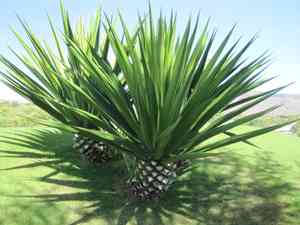
Sisal is a plant tolerant of dry spells, flourishing in parched environments.
3
Growing Sisal contributes to eco-friendly farming methods and lessens ecological impact.
Why Is Sisal So Remarkable?
Versatility Across Climates
Sisal flourishes in various weather conditions, especially in dry and semi-arid zones where other crops might fail. Its drought-resistant nature ensures it can be grown with minimal water, making it ideal for areas facing water shortages.
Unusually Strong Fibers
Sisal's fibers are well-known for their robustness and longevity. These fibers are frequently utilized in making ropes, twines, and industrial goods that demand tough and enduring qualities. Their high tensile strength makes them perfect for such uses.
Minimal Upkeep Needs
Sisal is not only tough but also requires little care. It needs minimal pest control, and its growth is generally unaffected by poor soil. This trait makes it a highly sustainable crop, lessening the need for chemical interventions and intensive farming.
How Does Sisal Benefit Our Planet?
Aiding Soil Preservation
The plant's strong root system is key in preventing soil erosion. By securing the soil, Sisal helps maintain its structure and fertility, which is crucial for fighting desertification and promoting sustainable land use.
Carbon Capture Abilities
Sisal helps lower atmospheric carbon dioxide levels through carbon sequestration. By absorbing CO2 during its growth, Sisal assists in lessening climate change impacts, making it an environmentally friendly farming choice.
Supporting Biodiversity
Growing Sisal can boost local biodiversity. The plant offers shelter and food for various insect species, contributing to a balanced ecosystem. This support for biodiversity further highlights the environmental advantages of cultivating Sisal.
What Are Sisal's Industrial Uses?
Textile Sector
Sisal fibers are widely used in the textile industry to create diverse products like mats, carpets, and rugs. Their natural strength and aesthetic appeal make them a popular option for sustainable and eco-friendly textile items.
Agricultural Applications
Sisal is commonly used to produce agave bagasse, a byproduct that serves as a valuable resource in farming. Bagasse can be used as animal feed, biofuel, and organic fertilizer, demonstrating the plant's versatility and contribution to zero-waste agriculture.
Building Materials
The construction sector also benefits from Sisal fibers, which are used as reinforcing materials in composites. These composites are employed in building panels, roofing, and even as insulation, underscoring Sisal's role in sustainable construction.
How Does Sisal Boost Economic Growth?
Empowering Local Populations
Sisal cultivation and processing create income opportunities for rural communities. Small-scale farmers and local co-ops can engage in Sisal farming, contributing to economic development and improving livelihoods.
Sustainable Industry Expansion
The global demand for sustainable and eco-conscious materials is increasing. By focusing on producing Sisal-based goods, industries can tap into this expanding market, driving sustainable growth and innovation.
Diversifying Farming Practices
Sisal cultivation allows farmers to broaden their agricultural methods, reducing reliance on traditional crops that might be vulnerable to market shifts. This diversification enhances economic stability and resilience for farming communities.



