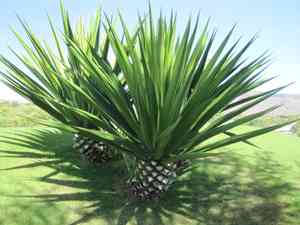
Sisal (Agave sisalana)
Also known as: Mescal, Sisal Agave
Sisal (Agave sisalana) is a succulent that produces yellow flowers along a tall stalk, which can reach heights of up to 9 meters. Although primarily grown for its hardy fibers, parts of the plant, including the flowers, stalk, basal rosette, and sap, are technically edible, though they are not commonly consumed. For optimal growth, sisal should be planted in full sun and requires a bright, sunny location if grown indoors.
In This Article
Attributes of Sisal
Lifespan
Perennial
Plant Type
Herb
Plant Height
1.5 m to 2 m
Spread
1.8 m to 2.5 m
Leaf Color
Green Blue Gray
Flower Size
4 cm to 5 cm
Flower Color
Yellow White Green
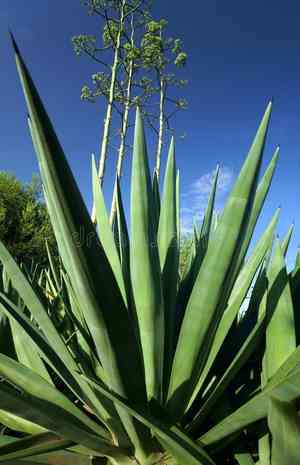
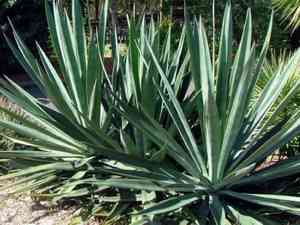
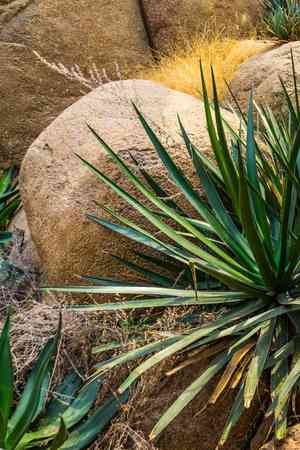
Images of Sisal
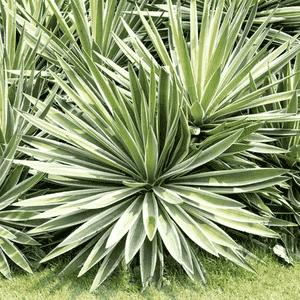
Quickly Identify Sisal
1
Agave sisalana can be identified by its rosette of thick, sword-shaped leaves that are usually a blue-green color. The leaves have small, regular teeth along the edges and are tipped with a sharp spine.
Scientific Classification of Sisal
Phylum
Vascular plants
Class
Monocotyledons
Order
Asparagales
Family
Asparagus
Genus
Agaves
Species
Sisal
Planting and Growing of Sisal
Care Difficulty
Easy
Watering Schedule
Every day
Sunlight Requirements
Full sun
Sunshine Duration
4-8 hours
Ideal Temperature
60-80℉
Soil Type
Potting Mix, Peat Mix
Soil pH
6.5-7.5
Fertilizer Type
Balanced
Pruning Season
Spring, Summer
Pruning Area
Branches, Leaves
Pruning Frequency
2 times a year
Repotting Season
Spring
Pot Type
Plastic, Ceramic
 How to Water Sisal?
For Agave sisalana, each watering session should provide approximately 500 milliliters of water. This desert plant thrives on the principle of 'less is more,' meaning you should allow the soil to dry out completely between waterings. Soak the soil thoroughly so the water reaches the roots, but avoid letting the plant sit in standing water to prevent root rot.
More About Watering Techniques→
What are the symptoms of an underwatered Sisal?
›
What should I do if my Sisal is not getting enough water?
›
What are the symptoms of an overwatered Sisal?
›
How to save an overwatered Sisal?
›
 What Are the Sunlight Requirements for Sisal?
Agave sisalana prefers full sun to partial shade, ideally soaking up 8-10 hours of sunlight daily, which supports robust growth and healthy leaf production.
More About Sunlight Requirements Techniques→
What level of sunlight is optimal?
›
How can you ensure ideal lighting conditions?
›
What benefits come with ideal lighting?
›
 What Is the Ideal Temperature Range for Sisal?
Agave sisalana thrives best in warm conditions. The ideal temperature range for this plant is between 60°F and 80°F. Within this range, the plant can photosynthesize efficiently and maintain healthy metabolic activities, ensuring optimal growth and development.
 What Soil is Best for Sisal?
Agave sisalana thrives in well-drained soils that prevent waterlogging. Such soils allow roots to breathe and reduce the risk of rot, providing a conducive environment for the plant's growth and longevity. The plant requires soil with good aeration to ensure the roots effectively absorb nutrients. Well-aerated soil allows for a robust root system, enhancing the plant's overall health and growth. Although Agave sisalana is hardy and can survive on minimal nutrients, a soil rich in organic matter will lead to vigorous growth. This provides the plant with the necessary elements to produce strong leaves and fibers.
More About Soil→
 How to Fertilize Sisal?
For Agave sisalana, it is crucial to provide just enough nutrients without overwhelming the plant. Use a balanced liquid fertilizer diluted to half strength once a month during the growing season. When applying slow-release fertilizers, ensure to use no more than 100 grams per plant annually.
More About Fertilizing Techniques→
 How to Prune Sisal?
Use a sharp, clean knife or pruning shears to cut off any leaves that appear brown, shriveled, or broken. Make sure to cut as close to the base as possible to promote healthy regrowth and to avoid leaving stubs that can collect moisture and cause rot. If your Agave sisalana is becoming too large for its space, carefully trim away the outer leaves by slicing them off at the base. This will help control its size without harming the plant's overall shape. Be mindful not to cut too many leaves at once, as this can stress the plant.
More About Pruning Techniques→
 How to Propagate Sisal plant?
1
Start by identifying healthy offsets around the base of the Agave sisalana. Look for ones that have their own developed roots, as they are more likely to survive and grow independently.
2
Using a sharp knife or pruners, carefully separate the offsets from the parent plant. Be sure to include as much root as possible to enhance the chance of successful establishment.
3
Plant the offsets into containers filled with well-draining potting mix. Ensure that the soil is slightly moist and place the container in a warm, shaded area until the new plant establishes.
 How to Repot Sisal plant?
1
Agave sisalana requires repotting when roots start to emerge from drainage holes or when growth slows down significantly, usually every two years. Choose spring or summer, when the plant is in its active growing phase, to reduce stress and promote quick recovery.
2
Select a pot with one to two inches larger in diameter than the current pot, and ensure it has adequate drainage holes. This will allow the Agave sisalana roots room to spread comfortably without waterlogging, reducing the risk of root rot.
3
Opt for a well-draining cactus mix soil that closely resembles the plant’s natural habitat. This type of soil prevents moisture retention, which is critical for a plant like Agave sisalana that is prone to root rot if left in soggy soil.
Toxicity
Ingestion or contact with sap
WARNING
The judgment on toxicity and danger is for reference only. We DO NOT GUARANTEE any accuracy of such judgment. Therefore, you SHALL NOT rely on such judgment. It is IMPORTANT TO SEEK PROFESSIONAL ADVICE in advance when necessary.



