Enhancing Your Garden Design with the Sisal Plant: A Landscaping Guide
1
Sisal demonstrates great versatility, flourishing in diverse environmental conditions and soil types.
2
Incorporating Sisal alongside other flora can elevate its aesthetic appeal and the overall garden beauty.
3
Regular upkeep and seasonal attention are crucial for Sisal to reach its peak development.
Appreciating Sisal's Role in Landscape Design
Introduction to Sisal's distinct visual qualities and durability
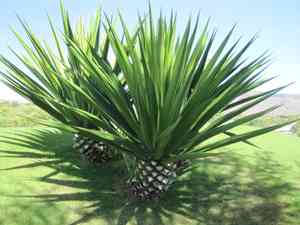
A compelling reason to incorporate Sisal into your outdoor space is its unique aesthetic. The plant features striking, blade-like leaves that create a dramatic presence in any garden. Its tall, architectural form can act as a focal point, drawing attention and adding structural interest. Furthermore, Sisal is highly durable, able to withstand harsh conditions like drought and poor soil. This resilience not only makes it an appealing choice for many gardeners but also reduces the need for frequent irrigation and upkeep.
Discussion of Sisal's adaptability to various climates and environments
Sisal is well-known for its versatility and ability to adapt. Whether you reside in a hot, arid region or a more temperate zone, Sisal can adjust and flourish. It is particularly well-suited for xeriscaping â landscaping designed to minimize or eliminate the need for supplemental watering. Additionally, Sisal can grow effectively in diverse soil types, from sandy to loamy, making it a flexible option for different garden settings. This adaptability even extends to urban areas where soil quality might be less than ideal.
Exploration of the environmental advantages of including Sisal in your garden
Beyond its visual appeal and hardiness, Sisal offers several environmental benefits. It excels at soil stabilization, helping to prevent erosion on sloped and other vulnerable areas. Moreover, Sisal can contribute to biodiversity, offering habitat for various insects and small creatures. Integrating Sisal into your landscape design can also help create a more sustainable and eco-friendly garden. Its low water requirement makes it an excellent addition to drought-prone regions, thereby promoting water conservation.
Integrating Sisal into Contemporary Landscape Schemes
How to effectively combine Sisal with other plants for visual impact
To maximize Sisal's visual impact in your garden, consider pairing it with other plants that complement its bold structure. For instance, groundcovers such as creeping thyme or sedum can soften its robust appearance and create a layered effect. Ornamental grasses and flowering perennials like lavender can also provide a colorful contrast, enhancing the overall aesthetic. The key is to select plants that thrive in similar conditions, ensuring harmonious growth and minimal maintenance.
Guidance on positioning Sisal for optimal growth and aesthetic appeal
Correctly positioning Sisal in your landscape is vital for both its development and visual charm. Place it in a spot that receives abundant sunlight, as this plant thrives in full sun. Ensure the soil drains well to prevent root rot. Sisal can be utilized as a solitary accent plant or in clusters to create a more substantial visual statement. Consider placing it near pathways or entryways to serve as a striking focal point. Always allow ample space between Sisal and other plants for its natural spread and growth.
Innovative design concepts featuring Sisal in diverse landscaping styles
Sisal can readily integrate into a variety of landscaping styles. In desert or southwestern-themed gardens, it pairs beautifully with cacti, succulents, and gravel. For a more modern look, consider planting Sisal in large, minimalist containers or among sleek, contemporary hardscape elements like concrete or steel. In tropical or Mediterranean landscapes, Sisal can act as a bold accent amidst lush greenery and vibrant blooms. Its versatility allows it to enhance almost any garden design, from rustic to modern.
Sisal Maintenance Tips for Your Landscape
Essential care practices to maintain Sisal's visual attractiveness
Maintaining Sisal's visual appeal requires some fundamental upkeep. Regularly remove any dead or damaged leaves to keep the plant looking neat and healthy. Periodically check for pests or diseases, though Sisal is generally quite pest-resistant. To encourage growth, you might consider applying a balanced, slow-release fertilizer once or twice annually. However, Sisal demands relatively low maintenance compared to other plants, making it an appealing choice for busy gardeners.
Seasonal care adjustments for Sisal to flourish throughout the year
While Sisal is low-maintenance, certain seasonal care adjustments can ensure it thrives year-round. During spring and summer, focus on ensuring the plant receives adequate sunlight and occasional watering, especially during extended dry periods. In autumn, pruning any flowering stalks can help redirect energy back to the foliage, promoting a healthier plant. Winter care generally involves minimal effort, but in exceptionally cold climates, you may need to provide some frost protection.
Preventing common issues and fostering healthy growth in Sisal
Preventing common issues with Sisal is straightforward. Overwatering is a primary concern, as it can lead to root rot. Ensure good drainage to combat this problem. Watch for signs of mealybugs or scale insects and treat them promptly with insecticidal soap if necessary. Regular inspection and early intervention can prevent most common issues. Promoting healthy growth involves placing Sisal in well-draining soil and ensuring it receives sufficient sunlight. With proper care, your Sisal can become a thriving centerpiece in your landscape.



