How to Transplant Small Soapweed?
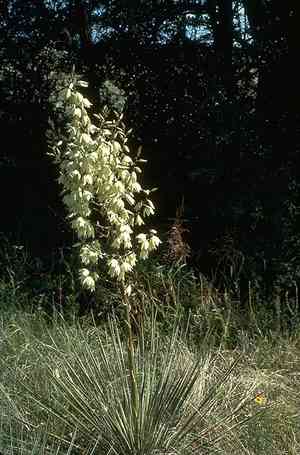
For young Soapweed, early spring offers the best conditions for relocation. Select a bright location with soil that drains effectively. Careful placement in its new spot promotes vigorous development. Bear in mind, young Soapweed prospers when given ample room to expand.
Essential Preparations Before Relocating Small Soapweed?
Optimal Period for Moving Small Soapweed?
The best time to move small Soapweed is early spring, as warmth stimulates root activity. This timing allows roots to establish in cool, moist soil and benefit from a full growth cycle.
Required Spacing Between Small Soapweed Plants?
When relocating small Soapweed, ensure ample room between each specimen. A distance of approximately 3-5 feet (0.9-1.5 meters) will provide sufficient space for their expansion and development.
Ideal Soil Blend for Small Soapweed Relocation?
The soil should drain well and not be overly rich; sandy or rocky soil is perfect for small Soapweed. Bone meal serves as an excellent base fertilizer, supplying vital nutrients without risking root damage.
Where to Replant Your Small Soapweed?
Select a location that receives abundant sunlight. Small Soapweed thrives in bright conditions. However, it can also endure partial shade, particularly during the hottest parts of the day.
Equipment Needed Before Relocating Small Soapweed?
Gardening Gloves
Protect your hands when handling soil and sharp implements.
Shovel or Spade
Necessary for excavating the planting hole and extracting the plant from its original spot.
Trowel
Useful tool for minor digging around the plant's root system.
Garden Hose/Watering Can
Used to maintain the plant's hydration before, during, and after the move.
Wheelbarrow or Plant Dolly
For moving the plant from its initial position to the new site. Ensure it's large enough to accommodate the plant's root ball without causing harm.
How to Extract Small Soapweed from the Ground?
How to Extract Small Soapweed from the Ground?
From Ground: First, lightly water the small Soapweed plant to moisten the soil. Then, use a spade to dig a circular trench around the plant, being careful to protect the root ball. Gently slide the spade under the root ball and lift it out.From Pot: Water the soil, then turn the pot sideways, carefully pulling the plant out. If the plant is stuck, gently tap the pot's sides to loosen it. Avoid pulling the plant by its stem.From Seedling Tray: Gently press the bottom of the tray cell to loosen the soil, then carefully remove the small Soapweed plant using a trowel or your fingers.
Step-by-Step Guide for Relocating Small Soapweed
Preparation
Before the move, lightly water small Soapweed in its current location. Pre-moistening makes removal easier and less stressful for the plant.
Dig a hole
The hole should be twice the width of the root ball and match its depth.
Placement
Position the small Soapweed plant in the hole, ensuring the top of the root ball is level with the surrounding soil.
Backfilling
Carefully refill the hole, gently firming the soil around the plant with your hands to eliminate air pockets.
Watering
Water the plant immediately after planting to settle the soil around the root ball.
Post-Relocation Care for Small Soapweed?
Watering
While small Soapweed is drought-tolerant, ensure adequate watering during the initial weeks after relocation to help establish strong roots. Avoid overwatering, which can lead to root rot.
Mulching
Applying organic mulch around the plant, but not touching the stem, can help retain soil moisture and inhibit weed growth.
Pruning
Remove any damaged or dead foliage to allow the plant to direct its energy towards root establishment.
Monitoring
Observe the small Soapweed for any indications of transplant shock, such as yellowing leaves or wilting. If these signs appear, shield the plant from extreme weather and continue watering without saturating the soil.
Addressing Common Issues with Small Soapweed Relocation.
When is the best time to move small Soapweed?
The optimal period to relocate small Soapweed is during S1-S2. Its growth and survival rates are significantly higher during these seasons.
What spacing should I maintain between small Soapweed plants?
To provide ample room for development, keep a distance of approximately 3-5 feet (around 0.9-1.5 meters) between individual small Soapweed plants.
Why are my relocated small Soapweed plants wilting?
Wilting can result from transplant shock. Ensure proper watering and avoid drastic temperature changes to prevent this issue.
How deep should I plant small Soapweed during relocation?
Excavate a hole that is twice as wide and similar in depth to the root ball of your small Soapweed. This will facilitate unrestricted root growth.
When should I water newly relocated small Soapweed plants?
Watering small Soapweed immediately after relocation is crucial. Continue to water them generously for a few weeks to aid in their establishment.
Should I prune small Soapweed before or after relocation?
Pruning is not essential but can be done to manage size. If you choose to prune, do so before relocating to reduce plant stress.
Can relocating small Soapweed cause leaf yellowing?
Yes, transplant shock in small Soapweed can lead to yellowing leaves. Consistent watering and placement in appropriate light conditions will aid recovery.
What type of soil is suitable for small Soapweed during relocation?
Small Soapweed thrives in well-draining soil. Incorporate some organic matter to enhance soil structure and nutrient content for optimal growth.
What's the best approach for root-bound small Soapweed during relocation?
Gently loosen the roots of your small Soapweed before relocating. If they are severely root-bound, make a few cuts in the root ball before replanting.
Should I fertilize small Soapweed after relocation?
Wait at least one month before fertilizing newly relocated small Soapweed to prevent root burn. Afterward, establish a regular fertilizing schedule.



