How to Propagate Small Soapweed?
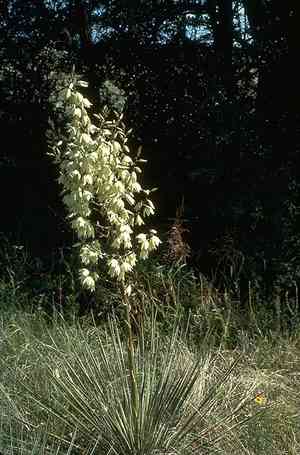
Small Soapweed flourishes when reproduced using stem segments. For optimal results, choose robust, unblemished stem portions. Sever a section approximately 6-8 inches in length, strip off the bottom leaves, and permit the severed tip to desiccate and form a protective layer prior to embedding it in porous soil. This technique fosters swift root formation and aids in preserving the genetic uniformity of small Soapweed.
Optimal Timing for Small Soapweed Propagation
Propagation Method
Cutting
Propagation Period
Spring,Summer
Tools Required for Small Soapweed Propagation
Sharp Pruning Shears
These are crucial for making clean incisions on Small Soapweed's rigid, fibrous stems. Precise cuts minimize plant tissue damage, reducing stress and infection risk, vital for successful new plant establishment from cuttings.
Rooting Hormone Powder
This product aids in stimulating root development from Small Soapweed cuttings. Dipping the cut end into the hormone increases the likelihood of successful rooting, especially beneficial for enhancing root growth in the typically tough base of Small Soapweed's stem.
Sterile Potting Mix
A well-draining, sterile potting mix prevents moisture-related issues like rot or fungal infections in Small Soapweed cuttings, while providing adequate support and aeration for root growth. Sterility also minimizes pathogens that could harm vulnerable cuttings.
Propagation Tray with Dome
The tray offers a controlled environment for cuttings, and the dome helps maintain high humidity around Small Soapweed, essential for cuttings without roots to absorb water. This environment prevents cuttings from drying out before new roots establish.
Heating Mat
Placed beneath the propagation tray, a heating mat encourages better root growth by maintaining an ideal temperature range. This is particularly advantageous for Small Soapweed, which may need a stable, slightly warmer bottom temperature for rooting, especially in cooler settings.
How to Propagate Small Soapweed?
Propagation Type
Easy
Post-Propagation Care for Your Small Soapweed
Post-Propagation Care for Your Small Soapweed
After propagation, keep the soil slightly damp but not waterlogged, as Small Soapweed dislikes excessive moisture. Allow the topsoil to dry between waterings. Gradually introduce the new plant to more direct sunlight. Once established, Small Soapweed is drought-resistant and needs minimal water. Fertilize sparingly, only during the growing season, and ensure good air circulation to prevent fungal diseases.
Common Errors to Avoid When Propagating Small Soapweed
Overwatering
Excessive moisture can cause root rot in Small Soapweed, as it prefers arid conditions. Overwatering can suffocate roots, hindering nutrient absorption and potentially leading to fungal infections.
Using non-draining soil
Small Soapweed requires well-draining soil to prevent water accumulation around its roots. Using dense, clay-rich, or non-draining soil mixes can trap moisture and lead to root rot.
Excessive handling of roots
During propagation, especially when dividing, over-handling Small Soapweed's roots can cause stress and physical damage, reducing the plant's ability to recover and thrive.
Ignoring pest management
Neglecting pest control during propagation can result in infestations that compromise the health and growth of Small Soapweed.
Tips For Propagating Small Soapweed
Utilize sharp, sanitized tools
Ensuring tools are sharp and disinfected helps create clean cuts that heal quickly, reducing stress and disease risk during division or cutting of Small Soapweed.
Minimize root disturbance
When dividing Small Soapweed, keep root disturbance to a minimum to preserve the root structure's integrity, enhancing the plant's ability to establish quickly in a new environment.
Provide ample light
Small Soapweed thrives in full sunlight. Ensuring propagated plants are placed in a well-lit location promotes vigorous growth and healthy development.
Monitor watering closely
While Small Soapweed is drought-tolerant, during the initial establishment phase after propagation, ensure the soil is slightly moist but never soggy, to support new growth without causing water-related stress.



