How Much Sunlight Do Small Soapweed Need?
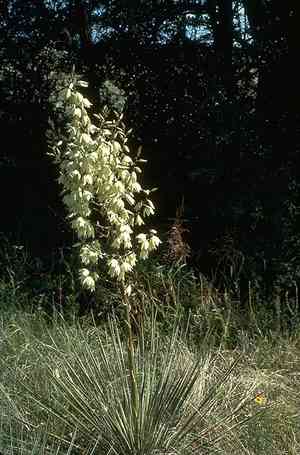
1
Small Soapweed flourishes with ample sunlight, requiring more than six hours of direct sun each day.
2
While it can endure some shade, peak development necessitates continuous sun exposure.
3
Observing and modifying light levels helps avoid typical problems, keeping your Small Soapweed in good condition.
What Are the Sunlight Requirements for Small Soapweed?
Ideal Sunlight Amount
For Small Soapweed, the perfect amount of sun is vital for its development and overall well-being. This robust plant thrives best in full sun, meaning it requires over 6 hours of direct sunlight daily. This need is critical to remember because Small Soapweed originates from sunny, arid regions where consistent, strong sunlight is typical. When deciding where to position or cultivate your Small Soapweed, always prioritize areas with ample sunlight.
Effects of Insufficient Sunlight
Inadequate sunlight can have several detrimental effects on your Small Soapweed. Primarily, it may result in stunted development and a less vibrant appearance. Without sufficient light, your plant might fail to produce its characteristic flowers. Additionally, Small Soapweed leaves may become elongated and weak as they stretch for more light, a process known as etiolation. Recognizing these indicators early can help in making necessary adjustments to ensure your plantâs health.
Benefits of Direct Sunlight
Direct sunlight offers numerous advantages for Small Soapweed. This light aids in photosynthesis, which is crucial for the plantâs growth and energy production. Furthermore, abundant sunlight ensures vivid foliage and robust structural development. The intense light also helps maintain the plantâs strong and resilient nature, making it more resistant to pests and diseases. Thus, providing your Small Soapweed with the necessary sunlight is essential for its overall health and vigor.
Best Locations for Small Soapweed to Get Optimal Sunlight
Outdoor Locations
When planting Small Soapweed outdoors, selecting the right spot is crucial. Ideal locations are those that provide unobstructed exposure to sunlight throughout the day. Open fields, gardens without large trees, and south-facing areas in your yard are excellent choices. These spots ensure that Small Soapweed receives the full 6 hours or more of direct sunlight it needs daily, promoting better growth and flowering.
Indoor Placement
Cultivating Small Soapweed indoors can be somewhat challenging, but with proper placement, it is certainly achievable. If you are keeping Small Soapweed inside, position it near large, south-facing windows where it can absorb as much direct sunlight as possible. If natural light is limited, consider using grow lights as a supplement. These lights can mimic natural sunlight and help maintain your plantâs health. Regularly rotating the plant can also ensure even exposure on all sides.
Seasonal Adjustments
Seasonal changes can impact the amount of sunlight your Small Soapweed receives. During summer, outdoor plants typically get plenty of light. However, in winter months, days are shorter, and sunlight might be less intense. Adjustments such as moving outdoor plants to sunnier spots or bringing indoor plants closer to windows can help. For dedicated gardeners, supplementary lighting can be used to offset reduced seasonal sunlight, ensuring that Small Soapweed gets consistent light year-round.
How to Monitor Sunlight Exposure for Small Soapweed
Using Sunlight Meters
A practical tool for ensuring your Small Soapweed gets the correct amount of sunlight is a sunlight meter. These devices measure the intensity and duration of sunlight in a specific location. By using a sunlight meter, you can make informed decisions about where to place your plant. Regular monitoring helps in tracking any changes in light availability, allowing you to make adjustments promptly.
Signs of Too Much Sunlight
While Small Soapweed thrives in sunlight, excessive exposure can sometimes be problematic. Indicators of too much sunlight include yellowing or browning of leaves, scorched edges, and a stressed appearance. If you notice these symptoms, consider providing some shade during the hottest parts of the day or relocating the plant to a slightly less intense light area.
Signs of Too Little Sunlight
Conversely, insufficient sunlight can also be a concern. Indicators include slow growth, pale or yellow leaves, and leggy stems. If your Small Soapweed displays any of these signs, it is likely not receiving enough light. Moving the plant to a sunnier spot or adding grow lights can help alleviate these issues.
How to Adjust Care Based on Sunlight Availability
Adjusting Watering Schedule
Sunlight directly influences how much water Small Soapweed requires. With increased sunlight, the plant will likely need more frequent watering due to faster soil drying. Conversely, in lower light conditions, water less often to prevent root rot from overly moist soil. Monitoring soil moisture and adjusting your watering schedule accordingly ensures that your Small Soapweed remains adequately hydrated.
Supplementary Lighting Options
If natural sunlight is inadequate, especially during winter, supplementary lighting can be beneficial. Grow lights, particularly full-spectrum LED lights, can mimic the sunâs natural rays and provide Small Soapweed with the light it needs to flourish. Positioned correctly, these lights can ensure your plant receives consistent light exposure, aiding in its growth and health.
When to Move the Plant
Sometimes relocating your Small Soapweed to a different spot is the best solution for optimal sunlight exposure. If you observe signs of either too much or too little light, consider changing its placement. For outdoor plants, this might mean moving to a less shady or less intense area based on the plantâs needs. For indoor plants, placing them in different rooms or windows can make a significant difference.



