How to Overwinter Small Soapweed
1
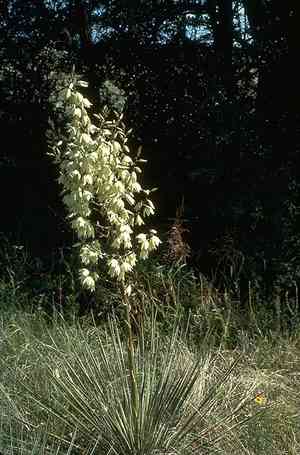
Small Soapweed tolerates frost well, demonstrating resistance to low temperatures.
2
Applying mulch effectively can help shield Small Soapweed's root system in colder seasons.
3
Using frost covers and wind barriers is crucial for safeguarding Small Soapweed against severe winter elements.
Understanding Small Soapweed Frost Hardiness
Understanding Small Soapweed Frost Hardiness
Before discussing specific overwintering steps, it's crucial to grasp Small Soapweed's natural resilience. Known for its robustness, Small Soapweed tolerates frost and lower temperatures quite well compared to more delicate plants. This species is well-adapted to thrive in USDA hardiness zones 5 through 10, meaning it can endure temperatures as low as -29°C (-20°F). However, despite its frost-hardiness, proper preparation and care ensure its flourishing even during the most severe winter conditions.
Preparing Small Soapweed for Winter
Soil Preparation
A critical step in readying Small Soapweed for winter is ensuring the soil is properly prepared. Aim for well-draining soil to prevent waterlogging, which can be harmful during freeze-thaw cycles. Incorporating sand or small gravel can enhance drainage. Additionally, refrain from using high-nitrogen fertilizers late in the growing season as they can stimulate new growth more susceptible to frost damage.
Mulching Techniques
Mulching is an essential technique for safeguarding Small Soapweed during winter. Apply a 5-10 cm (2-4 inches) layer of organic mulch, such as straw, pine needles, or shredded bark, around the plant's base. This layer insulates, maintaining a more consistent soil temperature and protecting roots from freezing. Be sure to leave some space around the stem to prevent rot.
Watering Guidelines
Correctly watering Small Soapweed is vital for its well-being. As colder months approach, reduce watering frequency to avoid waterlogged soil. Before the ground freezes, thoroughly water the plant. This helps hydrate the roots and withstand winter dryness. However, avoid watering once the ground is frozen, as this can lead to root rot.
How to Protect Small Soapweed During Harsh Winters?
Using Frost Cloths
Frost cloths or garden blankets offer excellent additional protection during unexpected cold snaps. Cover the Small Soapweed with the cloth, ensuring it reaches the ground to trap warmth. This method creates a micro-climate around the plant, raising the temperature by a few degrees. Use stakes to keep the cloth off the plant's leaves, reducing the risk of frost burn from direct contact.
Windbreak Installation
Winter winds can be particularly harsh and cause combined damage with cold temperatures. Installing a windbreak, such as a temporary fence or burlap screens, can shield Small Soapweed from icy gusts. Position the windbreak on the side from which prevailing winds originate, ensuring it's tall enough to protect the entire plant. This method helps reduce wind chill and the risk of desiccation.
Caring for Small Soapweed Indoors
Choosing the Right Pot and Soil
If you opt to bring your Small Soapweed indoors for winter, select a pot large enough to accommodate its roots and allow for some growth. Ensure the pot has adequate drainage holes. Use a cactus or succulent soil mix as it provides excellent drainage, crucial for preventing waterlogged roots indoors.
Indoor Lighting and Temperature
Once indoors, place the Small Soapweed where it can receive at least 6 hours of sunlight daily, such as near a south-facing window. The ideal temperature range is between 15-24°C (60-75°F). Avoid positioning the plant near drafty windows or heating vents as this can cause temperature fluctuations and stress the plant.
Common Overwintering Problems and Solutions
Identifying Frost Damage
Frost damage manifests as brown, water-soaked, or blackened leaves. If you observe such symptoms, promptly trim the affected parts. Ensure your tools are sterilized before and after use to prevent disease spread. Closely monitor the plant as it recovers to prevent further stress.
Pest and Disease Control
Winter months can sometimes lead to increased pest activity. Regularly inspect your Small Soapweed for signs of pests like spider mites or mealybugs. Use insecticidal soap sprays to manage any infestations. Also, watch for any signs of fungal diseases, especially if the plant is too damp. Good air circulation and avoiding overwatering are key preventative measures.



