How to Prune Small Soapweed?
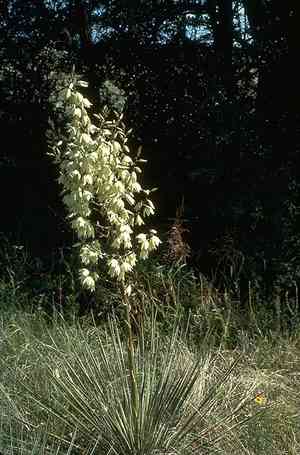
Distinguished by its blade-like foliage and elevated floral stalks, small Soapweed flourishes with infrequent trimming. Eliminate withered or compromised leaves from the base in early summer to foster robust development and preserve its appearance. Severing faded flower stems post-blossoming can deter self-propagation and stimulate increased flowering in the subsequent period. Regular pruning is advantageous for managing dimensions and sculpting the plant. Proceed with care to avert harm from its pointed leaves.
What Are the Benefits of Pruning Small Soapweed?
What Are the Benefits of Pruning Small Soapweed?
Trimming small Soapweed encourages a more plentiful yield and robust development, ensuring the plant stays compact and well-formed for visual appeal and overall vitality.
What Is the Best Time for Pruning Small Soapweed?
What Is the Best Time for Pruning Small Soapweed?
Trimming or cutting back small Soapweed in early summer aligns with the period after flowering, allowing the plant to recover and direct energy towards growth and root establishment without risking harm to developing blooms. This timeframe also avoids the harsher winter conditions that could stress the plant if pruned too late in the season. Pruning at this point promotes vigor and can help maintain the plant's form and size, ensuring improved health and look for the subsequent growing period.
What Tools Do I Need to Prune Small Soapweed?
Sharp Pruning Shears
Small Soapweed possesses fibrous, tough leaves that are easily severed with sharp pruning shears. Select a durable, high-quality pair capable of handling the rigidity and thickness of the foliage.
Long-Handled Loppers
For mature or larger specimens of small Soapweed, long-handled loppers provide the necessary leverage to make clean cuts on thicker stems while enabling the gardener to reach the plant's base without injury.
Pruning Saw
A pruning saw might be necessary for the thickest stems of small Soapweed. It's crucial that the saw is sharp to prevent tearing the plant's tough fibers, which could lead to an unhealthy plant.
Gloves and Protective Clothing
Small Soapweed has sharp-edged leaves that can cut skin. Protective gloves and clothing are essential to prevent injury when pruning.
Garden Knife
In certain situations, a garden knife is useful for more precise cuts or to remove dead material from the plant's base. The knife must be sturdy and sharp to cut effectively through small Soapweed's fibrous texture.
How to Prune Small Soapweed
Preparation
Gather trimming tools, such as sharp and clean pruning shears or a saw for larger branches. Wear gloves to shield your hands from small Soapweed's sharp foliage.
Diseased leaves
Identify and remove any diseased leaves by cutting them at their base, close to the trunk of small Soapweed, to prevent the spread of illness.
Withered leaves
Carefully trim away withered leaves from small Soapweed by snipping them off where they meet the stem or trunk to encourage healthy growth and aesthetic appeal.
Dead branches
Locate and cut off dead branches by making a clean cut at the base of the branch, close to the main trunk of small Soapweed, to prevent decay and encourage better structure.
Diseased branches
Prune any diseased branches from small Soapweed by making cuts well below the affected areas to ensure that all the diseased tissue is removed and prevent further infection.
Common Pruning Mistakes with Small Soapweed
Over-pruning
Removing too much foliage at once can stress small Soapweed, leading to poor plant health or even death.
Improper cutting technique
Using dull tools or making jagged cuts can damage small Soapweed's tissues, making it more susceptible to pests and diseases.
Pruning too low
Cutting small Soapweed's leaves too close to the trunk can result in unsightly scars and hinder the natural shape of the plant.
Neglecting sanitation
Not sterilizing pruning tools between cuts can spread disease among small Soapweed plants, especially if trimming diseased foliage.
Disregarding plant architecture
Failing to consider small Soapweed's natural growth pattern when pruning can lead to an unnatural appearance and suboptimal growth.
Common Pruning Tips for Small Soapweed
Use sharp tools
Ensure pruning tools are sharp and clean to make precise cuts that heal quickly, minimizing stress on small Soapweed.
Prune damaged leaves
Trim away damaged or dead leaves at their base, without cutting into the trunk, to promote small Soapweed's health and appearance.
Optimize plant shape
Focus on maintaining small Soapweed's natural rosette form, lightly thinning overcrowded areas if necessary for light penetration and air flow.
Protective gear
Wear gloves and long sleeves when pruning small Soapweed to protect skin from its sharp foliage.
Disposal of waste
Dispose of pruning debris properly, as it can harbor pests or diseases that might affect small Soapweed or other plants.



