The Small Soapweed Plant Advantage: Maximizing Home and Office Appeal and Wellness
1
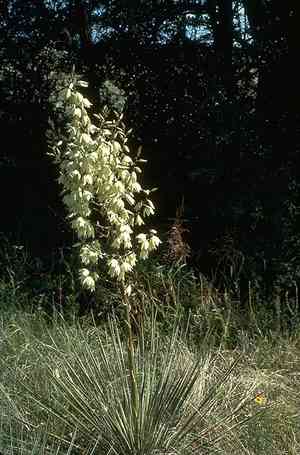
Small Soapweed is recognized for its striking, blade-shaped foliage that brings a bold element to any outdoor space.
2
This species flourishes in challenging environments, making it an easy-care inclusion for your garden.
3
Small Soapweed has historical applications in the creation of cleansing agents and various domestic items.
What are the Visual Advantages of Small Soapweed?
Boosting Your Garden's Look
Small Soapweed is a standout for its visual charm. Its blade-like foliage offers a striking and captivating garden element. Whether aiming for a garden centerpiece or a stunning border, Small Soapweed is a flexible option that can transform any outdoor area's appearance.
Applying Small Soapweed in Various Garden Styles
Due to its distinct look, Small Soapweed fits into diverse garden designs. It complements rock gardens, arid landscapes, and contemporary minimalist settings. Its ability to distinguish itself while harmonizing with other plants makes it an excellent choice for imaginative gardeners seeking to diversify their plant collection.
How Does Small Soapweed Aid in Effortless Gardening?
Flourishing in Tough Environments
Small Soapweed is remarkably tough, capable of thriving in harsh conditions many plants cannot endure. It is well-suited to dry and semi-dry climates, making it perfect for gardeners in areas with limited water. Because it needs minimal watering and tolerates poor soil, Small Soapweed is an excellent option for those who prefer low-effort gardening.
Simple Upkeep Needs
The care requirements for Small Soapweed are minimal. It doesn't need frequent watering, and its sturdy leaves resist pests and diseases. With just occasional watering and light fertilization, Small Soapweed can flourish with little effort, allowing gardeners to enjoy a beautiful landscape with reduced maintenance.
What Are the Traditional Applications of Small Soapweed?
Historical Use in Household Items
Historically, Small Soapweed was used for making soap and other domestic products. The plant's leaves contain saponins, natural compounds with soap-like qualities. These saponins were traditionally extracted to create cleaning agents, offering an eco-friendly alternative to chemical-laden commercial soaps.
Crafting and Practical Uses
Small Soapweed has also been used for various crafting and practical purposes. Indigenous communities utilized its fibrous leaves to create ropes, baskets, and mats. These natural products are not only durable but also environmentally sustainable, demonstrating Small Soapweed's versatility beyond its garden appeal.
How Can Small Soapweed Be Used in Contemporary Landscaping?
Integrating Small Soapweed into Xeriscaping
Small Soapweed is an ideal plant for xeriscaping, a landscaping method that reduces irrigation needs. Given its drought-tolerant nature, it can thrive with minimal water, making it a fantastic choice for sustainable gardens. Incorporating Small Soapweed into xeriscaping designs not only conserves water but also lessens maintenance efforts.
Combining with Other Drought-Resistant Plants
In modern landscaping, Small Soapweed can be combined with other drought-resistant plants to create a cohesive and sustainable garden. It pairs well with other succulents, ornamental grasses, and perennial flowers that thrive in dry conditions. This combination can result in a vibrant, yet low-maintenance landscape that requires less water and upkeep.
What Environmental Benefits Does Small Soapweed Offer?
Supporting Local Ecosystems
Small Soapweed plays a vital role in supporting local ecosystems. Its flowers attract pollinators like bees and butterflies, enhancing your garden's biodiversity. By planting Small Soapweed, you can help maintain a healthy and balanced ecosystem, supporting various forms of wildlife in the process.
Erosion Prevention
The strong root system of Small Soapweed helps to prevent soil erosion. In areas prone to erosion, planting Small Soapweed can stabilize the soil, preventing further degradation. This makes Small Soapweed an essential plant for both conservation efforts and maintaining the structural integrity of landscapes.



