How to Transplant Lyreleaf sage?
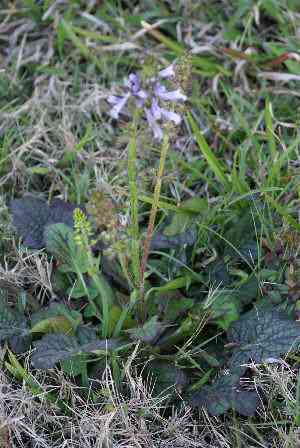
For lyreleaf sage, the period from early to mid-spring presents the ideal opportunity for relocation, allowing the plant to settle prior to the summer warmth. Select a location that receives partial sunlight and possesses soil with good drainage. Carefully move the plant to prevent damage to its root system.
What Preparations are Needed Before Transplanting Lyreleaf Sage?
What is the Ideal Time for Transplanting Lyreleaf Sage?
Move lyreleaf sage as warmer days begin, typically in mid-spring. This timing allows root establishment prior to summer's heat.
How Much Space Should You Leave Between Lyreleaf Sage Plants?
When relocating your lyreleaf sage, aim to position them 1-2 feet (30-60 cm) apart. This provides ample room for expansion and growth without overcrowding. Precision isn't critical, just do your best!
What is the Best Soil Mix for Lyreleaf Sage Transplanting?
Let's get the soil ready for our lyreleaf sage! They thrive in well-drained soil enriched with compost or organic matter. Incorporate a foundational fertilizer, such as a balanced 10-10-10, to provide a nourishing start. Nurture their roots with care!
Where Should You Relocate Your Lyreleaf Sage?
Selecting the optimal location for your lyreleaf sage is crucial. They prefer full sun to partial shade, so choose an area receiving ample morning sun or light dappled shade. Remember, intense midday sun can be harsh. Happy planting!
What Equipments Should You Prepare Before Transplantation Lyreleaf Sage?
Shovel or Spade
Crucial for excavating holes in the ground and lifting the plant's root ball.
Gardening Gloves
To safeguard your hands while handling soil and plants, particularly to prevent scratches or root damage during relocation.
Trowel
This implement will assist in digging small holes for transplanting.
Bucket or Wheelbarrow
For transporting soil or compost and for moving the plant from one spot to another.
Watering Can or Hose
To hydrate the plant before and after its relocation.
Mulch
It aids in retaining soil moisture after transplantation.
How Do You Remove Lyreleaf Sage from the Soil?
How Do You Remove Lyreleaf Sage from the Soil?
From Ground: Start by gently moistening the lyreleaf sage plant's soil, making excavation easier. Carefully dig around the plant with a shovel or spade, ensuring the root ball remains intact as you lift it.From Pot: Hydrate the potted lyreleaf sage plant and allow it to absorb for a few minutes. Turn the pot on its side, steady the plant, and tap the pot's rim against a firm surface. Gently extract the plant, ensuring the root ball is undamaged.From Seedling Tray: Water the tray and let it soak. Slide a small tool or spoon beneath the seedling, carefully lifting the root ball, taking care not to pull by the stem to avoid harm.
Step-by-Step Guide for Transplanting Lyreleaf Sage
Digging Hole
Utilize a shovel to excavate a hole in the chosen area. The hole should be twice as wide and as deep as the lyreleaf sage plant's root ball.
Prepare the Plant
Examine the plant's roots. Trim any broken or damaged roots. If the plant is root-bound (roots circling the pot), gently separate them.
Planting
Position the lyreleaf sage plant into the hole. Ensure it's planted at the same depth as it was originally. Backfill the hole with soil, gently firming around the plant's base.
Watering
Thoroughly water the plant. This helps settle the soil around the roots and keeps them hydrated.
Mulching
Apply a layer of mulch around the plant, keeping it a few inches away from the stem to prevent rot.
How Do You Care For Lyreleaf Sage After Transplanting?
Watering
Maintain consistent moisture around the lyreleaf sage, but avoid waterlogging. Water deeply rather than frequently, encouraging roots to grow downwards instead of near the surface.
Checking
Regularly inspect the plant for any indications of transplant stress, such as wilting or yellowing leaves, or stunted growth.
Pruning
Trimming after transplanting can help reduce water loss from the plant. However, ensure pruning promotes healthy development.
No Fertilizing
Avoid applying fertilizer immediately after transplantation as roots are sensitive and may burn. Wait until new growth appears before fertilizing.
Troubleshooting Common Issues with Lyreleaf Sage Transplantation.
When is the best time to transplant lyreleaf sage plants?
The optimal period for relocating lyreleaf sage plants is during the S1-S2 timeframe, when the plant is initiating or concluding its growth cycle.
How do I prepare the soil before transplanting lyreleaf sage?
To prepare the soil, begin by incorporating organic matter or compost to enhance its fertility. Ensure the bed is free of weeds and the ground is adequately loosened.
What's the recommended spacing for lyreleaf sage when transplanting?
To provide ample room for lyreleaf sage to grow and spread, maintain a distance of approximately 1-2 feet (30-60 cm) between each plant. This allows for sufficient air circulation and helps prevent disease.
What depth should I plant the lyreleaf sage at?
The lyreleaf sage should be planted at the same depth it was previously growing. This is typically level with the soil surface or slightly deeper.
How much water should I provide after transplanting lyreleaf sage?
Water the lyreleaf sage immediately after transplanting to help the soil settle around the roots. Ensure the soil remains consistently moist but not saturated as the plant establishes itself.
Should I add fertilizer when transplanting lyreleaf sage?
It's generally beneficial to add a small amount of slow-release fertilizer to the planting hole to provide the lyreleaf sage with a nutrient boost post-transplant.
How should I care for the lyreleaf sage after transplanting?
After transplanting, water consistently and observe the plant for any signs of distress. Shield it from extreme weather and promptly address pests and diseases.
What should I do if my transplanted lyreleaf sage appears wilted?
Don't be concerned if your lyreleaf sage looks wilted after transplanting; it's likely due to transplant shock. Continue regular watering, and the plant should recover within a few weeks.
Is it necessary to prepare a large hole for transplanting lyreleaf sage?
The transplanting hole should only be wide and deep enough to comfortably accommodate the root ball. Excessively large holes can encourage roots to circle, which is detrimental to future growth.
My lyreleaf sage isn't thriving after a transplant, what could be wrong?
Poor growth after a transplant could stem from issues like insufficient watering, inadequate sunlight, or pests. Review your care routine and make necessary adjustments.



